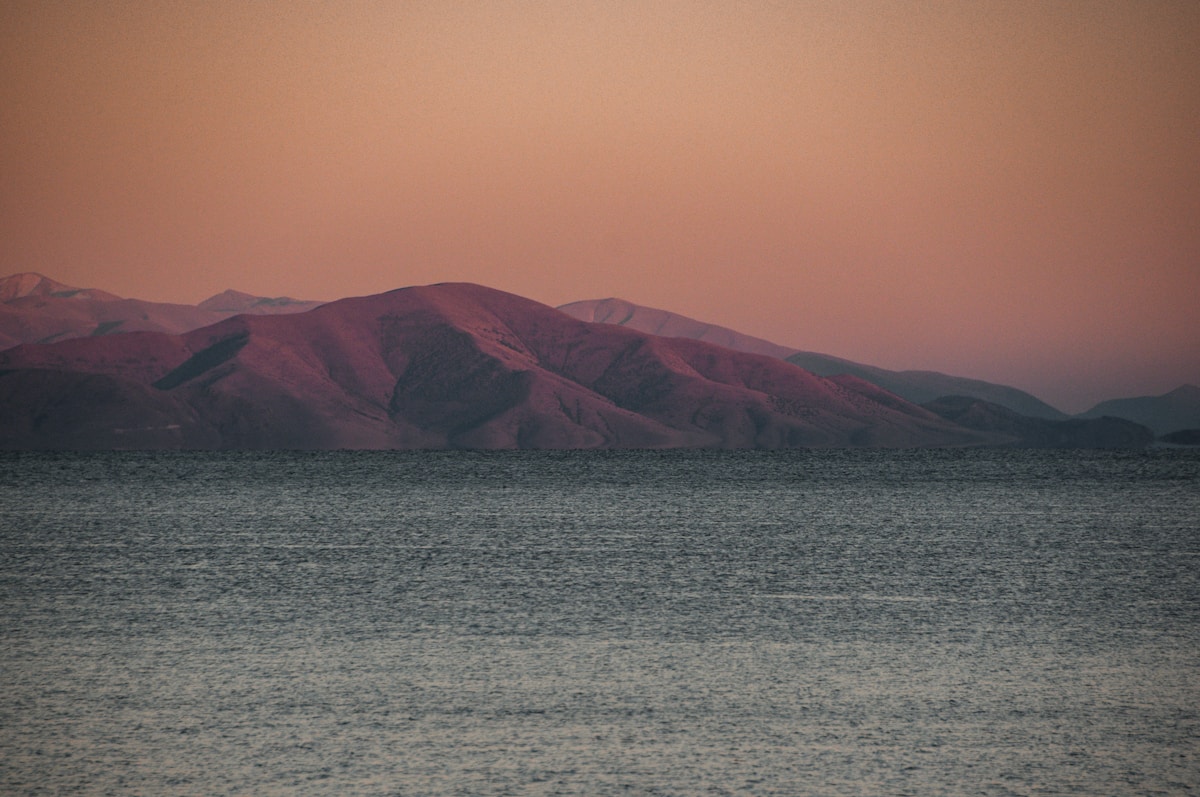
Jermuk sits 170 km south of Yerevan in the mountains of Vayots Dzor, at an altitude of 2,080 metres. It is a Soviet-era spa town with a genuinely dramatic natural setting: a 72-metre waterfall, deep basalt gorges, pine forest, and mineral springs with an unusually high mineral content. This day trip itinerary covers getting there, what to prioritise with limited time, and how to extend the trip if you have more flexibility.
Getting from Yerevan to Jermuk
The distance is significant enough that transport planning matters.
By car: The most practical option for a day trip. Take the M2 motorway south from Yerevan toward Ararat and Areni, then turn east on the M10 toward Yeghegnadzor and continue south-east to Jermuk. Total distance: approximately 170–180 km. Drive time: 2.5–3 hours without stops, depending on road conditions and traffic through Ararat Valley.
Road quality is good throughout - the M2 is a main arterial road and the M10 is surfaced and in reasonable condition, though sections can be slower on switchbacks near the Vayots Dzor highlands. Petrol stations are available in Areni, Yeghegnadzor, and at the entrance to Jermuk.
Car hire in Armenia gives you the flexibility to stop at Noravank on the way (strongly recommended - see the section below). A private driver for the day costs approximately USD 120–160 for up to 4 passengers.
By marshrutka (bus): Depart from Kilikia Bus Station in Yerevan. Services run to Jermuk directly or with a change at Yeghegnadzor. Journey time: 3–4 hours. Cost: approximately AMD 2,500–3,500 (USD 6–9) one way. Services are less frequent than on the Gyumri or Dilijan routes - verify departure times the day before. Last return buses typically leave Jermuk before 17:00.
By organised tour: Private vehicle hire with a driver-guide is the most popular format for visiting Jermuk from Yerevan. Group tours are rarer for this destination given the distance, but some operators run combined Jermuk-Noravank-Areni full-day or two-day tours. Browse available tours here.
On the Way: Noravank Canyon
If driving, stopping at Noravank Monastery adds approximately 1.5 hours to your journey but is strongly recommended. The monastery sits at the end of a 4 km red-walled canyon off the M2, approximately 2 hours from Yerevan before the Jermuk turn-off. The 13th-century church complex, with its double staircase facade carved from blood-red tuff, is among the most visually striking in Armenia.
From the Noravank turn-off, a 4 km road winds into the Amaghu Canyon. There is no entry fee; the monastery and canyon walk are free. Allow 45–60 minutes for the monastery and a short canyon walk.
The combination of Noravank and Jermuk in one day is feasible by car if you leave Yerevan by 07:30 and keep the Noravank stop to an hour.
Arriving in Jermuk
The approach to Jermuk itself is scenic - the road climbs steeply from Yeghegnadzor, switchbacking up through pine forest and past the Arpa river until the town appears on a high plateau, surrounded by mountains. Arriving feels like surfacing into a different climate zone.
Park near the town centre (free, plentiful) and walk from there - Jermuk is compact and most sights are within 15–20 minutes on foot.
The Jermuk Waterfall
Start here. From the town centre, follow the path to the waterfall viewpoint - a 15-minute walk down a well-maintained path that descends into the Arpa gorge. The Arpa River drops approximately 72 metres over a basalt cliff, and the viewing platform at the base gives a full-on view of the falls and the canyon walls rising behind.
The falls are most powerful in April–June when spring snowmelt swells the river, but they run strongly through summer and into autumn. In winter, partial freezing creates ice formations on the canyon walls. There is no entry fee.
Allow 30–45 minutes including the walk down and back up.
Mineral Water Gallery
A short walk from the waterfall path, the Mineral Water Gallery is a covered promenade where different naturally carbonated mineral springs are piped into drinking taps. The springs vary in temperature (some warm, approaching 36°C), mineral concentration, and carbonation. Drinking the different waters is free; bring a cup or buy one for AMD 200–300 from vendors near the entrance.
The gallery operates approximately 08:00–13:00 and 15:00–18:00. It is a characterful leftover of Soviet health tourism and worth 20–30 minutes of your time. The warm, slightly sulphurous water from some springs is an acquired taste.
Choose Your Afternoon: Hike or Spa
Option A: Spitakavor Monastery Hike
Best for: Active visitors, walkers, anyone interested in medieval Armenian monasteries.
Spitakavor Monastery (13th–14th century) is 4 km north of town on a hiking trail through pine forest. The monastery - whose name means “White Monastery” - sits on a ridge with views over the Arpa valley. The Church of Surb Astvatsatsin (Holy Mother of God) dates to 1321 and is in good condition. Very few tourists make it here.
- Distance: 8 km round trip
- Elevation gain: ~250 m
- Time: 2.5–3.5 hours at a relaxed pace
- Difficulty: Moderate
The trailhead is near the northern edge of town. Start by 13:00 to be back by 16:00–17:00 with time for the drive back.
Option B: Spa Treatment
Best for: Those wanting to properly experience Jermuk’s reason for existing.
A balneotherapy bath (30-minute mineral water immersion) at Olympia Resort & Spa costs approximately AMD 10,000–15,000 (USD 26–40) and must be booked in advance. The mineral water is naturally warm and has a genuinely different feel to a standard pool - the high mineral content (mainly calcium, magnesium, and bicarbonate) leaves skin noticeably smooth.
Thermae Hotel is a more affordable option, with day-use mineral baths from approximately AMD 6,000.
For a shorter, cheaper taste of the spa culture: the mineral gallery itself has some seating areas where visitors sit and drink the waters in the Soviet tradition - no treatment required.
Canyon Walk (Shorter Alternative)
For those who want more fresh air but less of a committed hike, the Arpa gorge walk continues north from the waterfall viewpoint for 2–3 km along the canyon floor. The path becomes less formal quickly and involves some scrambling over riverside boulders, but the canyon walls and river scenery are excellent. Allow 1.5–2 hours for a 4–5 km out-and-back.
Where to Eat in Jermuk
Jermuk has a small selection of restaurants, mostly concentrated near the town centre and the main hotel strip.
Restaurant Jermuk at the main hotel complex serves standard Armenian mezze - khoravats (barbecue), tolma, cheese boards - at approximately AMD 3,000–6,000 for mains. Panorama Restaurant near the canyon rim has good views and similar pricing. For lighter eating, bakeries and small cafés on the main street sell fresh bread, Armenian pastries (gata from AMD 300–500), and coffee.
Budget approximately AMD 5,000–8,000 for a two-course lunch with drinks.
Sample Day Schedule (Car, Early Start)
| Time | Activity |
|---|---|
| 07:00 | Depart Yerevan |
| 09:00 | Noravank Canyon and monastery (1 hour) |
| 10:30 | Continue to Jermuk |
| 11:30 | Arrive Jermuk |
| 11:45 | Jermuk Waterfall |
| 12:45 | Mineral Water Gallery |
| 13:30 | Lunch in town |
| 14:30 | Spitakavor hike OR spa treatment |
| 17:30 | Depart Jermuk |
| 20:30 | Arrive Yerevan |
Extending to Two Days
The 2.5–3 hour drive each way makes an overnight stay substantially more relaxing. With two days, you can:
- Do the Spitakavor hike and a spa treatment (not either/or)
- Drive the Selim Pass road north toward Vardenis and Lake Sevan - one of Armenia’s most scenic drives, passing the Orbelian’s Caravanserai (14th century), the best-preserved medieval caravanserai in Armenia
- Spend an evening in Jermuk’s quieter, mountain-air atmosphere
See the Jermuk accommodation guide for overnight options, from guesthouses at AMD 12,000–20,000 per night to full-service spa hotels.
Practical Notes
Altitude: Jermuk is at 2,080 m - noticeably higher than Yerevan. Mild altitude effects (slight headache, faster fatigue on walking) are possible on arrival; these pass within a few hours.
Season: May–September for hiking and outdoor activity. April and October are shoulder season - cooler, quieter, and the waterfall is typically very high. Winter is cold (−10 to −15°C) but the spa facilities operate and the snow-covered canyon is striking.
Fuel: Fill up in Yerevan or in Yeghegnadzor - Jermuk has a petrol station but supplies can be inconsistent.
Cash: Withdraw AMD before leaving Yerevan. ATM access in Jermuk is limited to one or two bank machines.