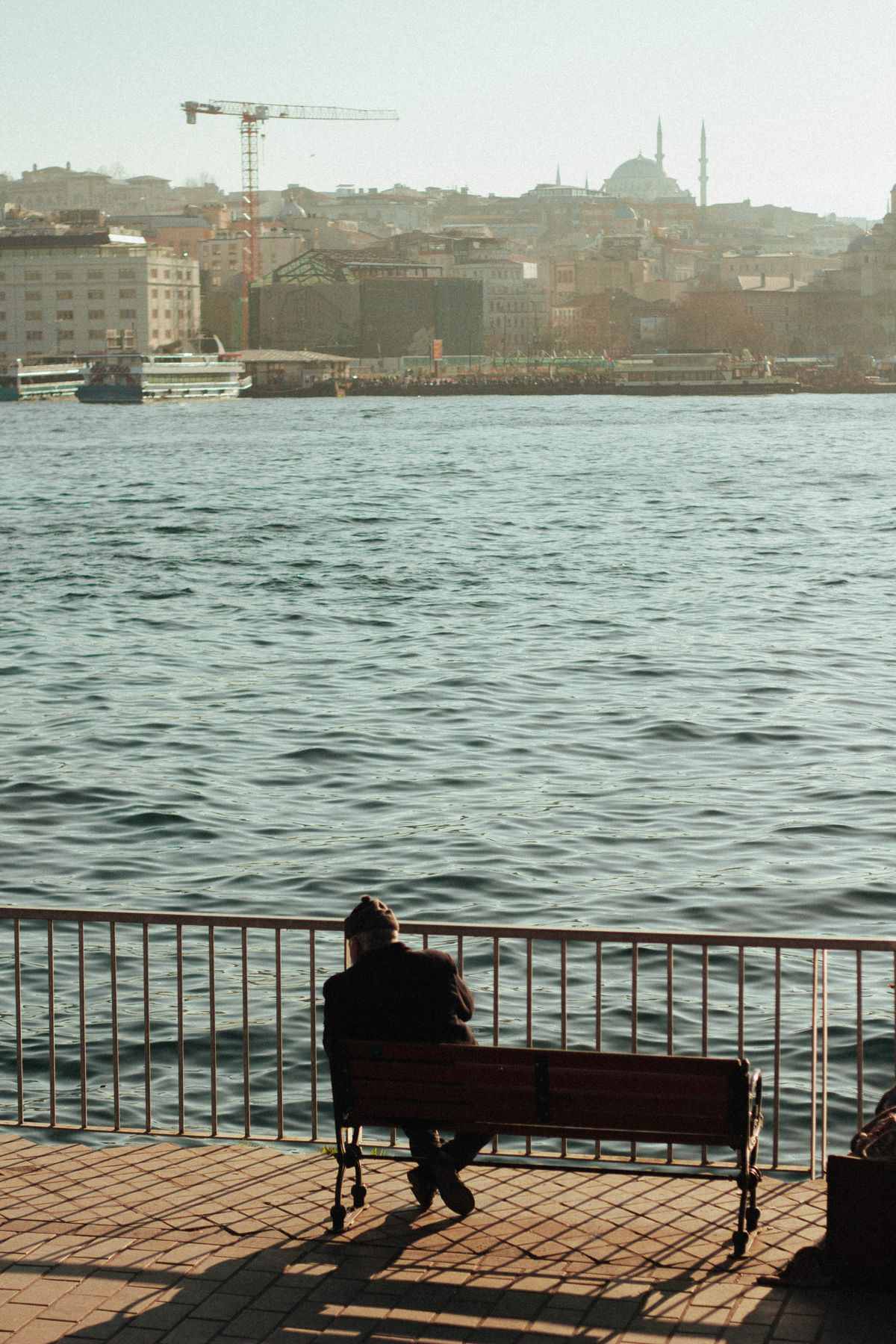
The route from Yerevan to Istanbul requires a detour through Georgia - the Armenia-Turkey land border has been closed since 1993 and no overland crossing is currently possible. The standard approach is either flying (often with a stop in Tbilisi, Baku, or another hub) or taking the overland bus corridor via Tbilisi and the Georgian-Turkish border at Sarpi. It is a long journey by either means, but entirely manageable with a night in Tbilisi built in.
Why You Can’t Cross Directly from Armenia into Turkey
The Armenia-Turkey land border has been closed since 1993, suspended in the wake of the Nagorno-Karabakh conflict and Turkish support for Azerbaijan. Diplomatic relations between the two countries remain frozen, and the border crossings at Doğukapi–Akhurian (between Gyumri and Kars) and Margara are not open for civilian use.
This means all overland travel from Yerevan to Istanbul routes through Georgia, adding roughly 400–500 km and several hours compared to a direct crossing that doesn’t exist.
Option 1: Overland Bus via Tbilisi and Sarpi
The overland route runs: Yerevan → Tbilisi → Batumi (Georgia-Turkey border at Sarpi) → Trabzon → Istanbul. This is the cheapest option and the one most independent travellers use.
Leg 1: Yerevan to Tbilisi
The marshrutka from Kilikia Autostation (Yerevan Central Bus Station) to Tbilisi takes 5–6 hours and departs throughout the morning until approximately 14:00. The shared minibus fare is approximately AMD 5,000–7,000 ($13–18 USD). The crossing is at Bagratashen–Sadakhlo, open 24 hours.
See our Yerevan to Tbilisi guide for full details on options, costs, and the border crossing.
Leg 2: Tbilisi to Istanbul
Several Georgian and Turkish coach operators run direct overnight buses from Tbilisi to Istanbul. Services depart from Tbilisi’s Ortachala Bus Station, typically in the late afternoon or evening.
Journey time: Approximately 18–22 hours, including the Sarpi border crossing Fare: Approximately GEL 100–160 ($36–58 USD), depending on operator and seat class Operators: Metromaris, Özlem Cardinal, and several others operate on this corridor. Book at Ortachala Bus Station or through local travel agencies in Tbilisi.
The bus crosses into Turkey at the Sarpi–Sarp crossing near Batumi, then heads west along the Black Sea coast through Trabzon and Samsun before turning inland to Istanbul.
Drop-off in Istanbul: Most Tbilisi buses arrive at Istanbul’s Esenler Otogar (main bus terminal) on the European side, or Harem Otogar on the Asian side. Both connect to the metro and tram network into central Istanbul.
For the full Tbilisi–Istanbul leg, compare coach prices and schedules on Omio - they list the main operators on this corridor.
Doing the Full Journey Without an Overnight Stop
It is technically possible to do Yerevan–Istanbul in one push in approximately 26–30 hours total - take an early morning marshrutka from Yerevan to Tbilisi, then an afternoon or evening bus from Tbilisi to Istanbul, arriving the following morning or afternoon. Most travellers find this extremely tiring and prefer one night in Tbilisi.
Option 2: Flight from Yerevan to Istanbul
Flying is the fastest option and removes the need to deal with Georgian and Turkish bus schedules.
Direct and nonstop services: The EVN–IST (Istanbul Atatürk/Sabiha Gökçen) route has been served at various points by Turkish Airlines, Pegasus Airlines, and Fly One Armenia. Direct service is not always available - check current schedules before assuming a nonstop exists.
Common indirect routings:
- Via Tbilisi (TBS): Fly Yerevan → Tbilisi → Istanbul. Georgian Airways and other carriers connect TBS to IST; short layover, total journey 4–6 hours.
- Via Baku (GYD): Azerbaijan Airlines (AZAL) or other carriers with a connection at Baku. Note that Armenia–Azerbaijan political tensions mean some travellers prefer to avoid this routing, and an Azerbaijani visa or transit visa may be needed depending on nationality and layover time.
Typical flight costs: $100–300 USD per person depending on how far in advance you book, season, and whether the route is direct. Budget more flexibility during summer peak (July–August) and around Turkish/Armenian public holidays.
Search current flights from Yerevan to Istanbul - Aviasales tracks both direct and connecting options and will show the cheapest available routing.
Visa Requirements
Armenian Visa
Most nationalities enter Armenia visa-free for up to 180 days. If you need a visa, Armenia’s e-visa at evisa.mfa.am is straightforward - single-entry costs approximately $6 USD, valid 120 days from issue, 21-day stay.
See our full Armenia entry requirements guide for the nationality list.
Georgian Transit Visa
Most Western nationalities - including EU, UK, USA, Australia, Canada - enter Georgia visa-free for up to 365 days. No visa is needed to transit through Tbilisi, even for an extended stop. Check evisa.gov.ge if your nationality is not among the major Western ones.
Turkish e-Visa
Almost all nationalities travelling to Turkey need to obtain a Turkish e-Visa before arrival. Visa on arrival is not available.
Apply at: evisa.gov.tr (allow a few hours, although most approvals come within minutes) Cost: Approximately $55–65 USD Validity: Single or multiple entry, 30-day stay per visit for most nationalities
Who needs it: EU citizens, UK citizens, US citizens, Australians, Canadians, and most others. A handful of nationalities are exempt - check the Turkish Ministry of Foreign Affairs list at mfa.gov.tr.
Important: Apply for the e-Visa before you reach the Georgian-Turkish border at Sarpi. Turkish immigration at the border will turn you back if you do not have the visa - they do not process applications on the spot.
The Georgian-Turkish Border: Sarpi–Sarp
The Sarpi (Georgia) / Sarp (Turkey) crossing is the main Georgia-Turkey border for travellers and is used by all buses on the Tbilisi–Istanbul corridor.
Hours: Open 24 hours, 7 days a week Location: Near Batumi on the Black Sea coast What to expect: The crossing handles high volumes in summer. Passport control on both sides is typically 15–30 minutes for buses; longer during summer peaks. Pedestrian crossing is permitted.
Documents: Valid passport + Turkish e-Visa approval (QR code on phone or printed)
Comparison Table
| Overland Bus (via Tbilisi) | Flight (direct/indirect) | |
|---|---|---|
| Total journey time | 24–30 hrs (with overnight Tbilisi) | 3–8 hrs (direct to indirect) |
| Cost | $50–80 USD total | $100–300 USD |
| Booking required | No (marshrutka) / Yes (Tbilisi–IST coach) | Yes |
| Visa complexity | Georgian (free) + Turkish e-Visa | Turkish e-Visa |
| Best for | Budget travellers, those wanting Tbilisi stop | Speed, convenience |
| Scenic value | High (Black Sea coast, Caucasus) | Low |
Breaking the Journey: Tbilisi and Trabzon
Tbilisi is the natural overnight stop and well worth 1–2 days in its own right. The Old Town (Kala), the cable car to Narikala Fortress, and the hot sulphur baths in Abanotubani are all walkable. Accommodation is significantly cheaper than Yerevan - guesthouses from around 60–80 GEL ($22–30 USD) per night.
Search Tbilisi hotels on Booking.com - full range of budget guesthouses to boutique hotels in the Old Town.
Trabzon is the first major Turkish city after the Sarpi border (approximately 3 hours from the crossing). It’s the gateway to Sumela Monastery, a 4th-century monastery carved into a cliff face 46 km south of the city - a worthwhile half-day detour if you have time.
Where to Stay in Istanbul
Istanbul is one of the most hotel-dense cities in the region. The main tourist bases are Sultanahmet (Old City, walking distance to the Blue Mosque and Hagia Sophia), Beyoğlu/Taksim (restaurants, nightlife, boutique hotels), and Kadıköy on the Asian side.
Search Istanbul hotels on Booking.com - all areas and price points; the inventory in Istanbul is enormous.
Practical Notes
Turkish currency: The Turkish lira (TRY) is the only currency accepted for most transactions. Exchange at the airport or at an exchange office (döviz bürosu) in central Istanbul - bank rates are poor. Credit cards are widely accepted in Istanbul.
Getting around Istanbul: The metro (M1A, M2, M3), tram (T1), and ferry network are efficient and cheap. Buy an Istanbulkart (rechargeable transport card) at any metro station on arrival - single fares cost approximately 25–30 TRY.
Armenian SIM: Your Armenian SIM data plan stops working at the Georgian border. Airalo’s Armenia eSIM covers Armenia only; pick up a Georgian SIM in Tbilisi or activate a Turkish eSIM before crossing into Turkey.
Travel insurance: A standard European travel policy should cover Georgia and Turkey. EKTA travel insurance covers the full Armenia–Georgia–Turkey corridor under a single policy without a surcharge for overland crossings.
Related Guides
- Yerevan to Tbilisi - the first leg in detail: marshrutka, private transfer, rental car
- Armenia border crossings guide - all Armenian land border crossings
- Armenia visa and entry requirements - who can enter Armenia visa-free
- Getting around Armenia - transport within Armenia before you leave
Plan Your Trip
✈️ Book your flights to Armenia 🛡️ Get travel insurance 📱 Stay connected with an eSIM 🚗 Rent a car