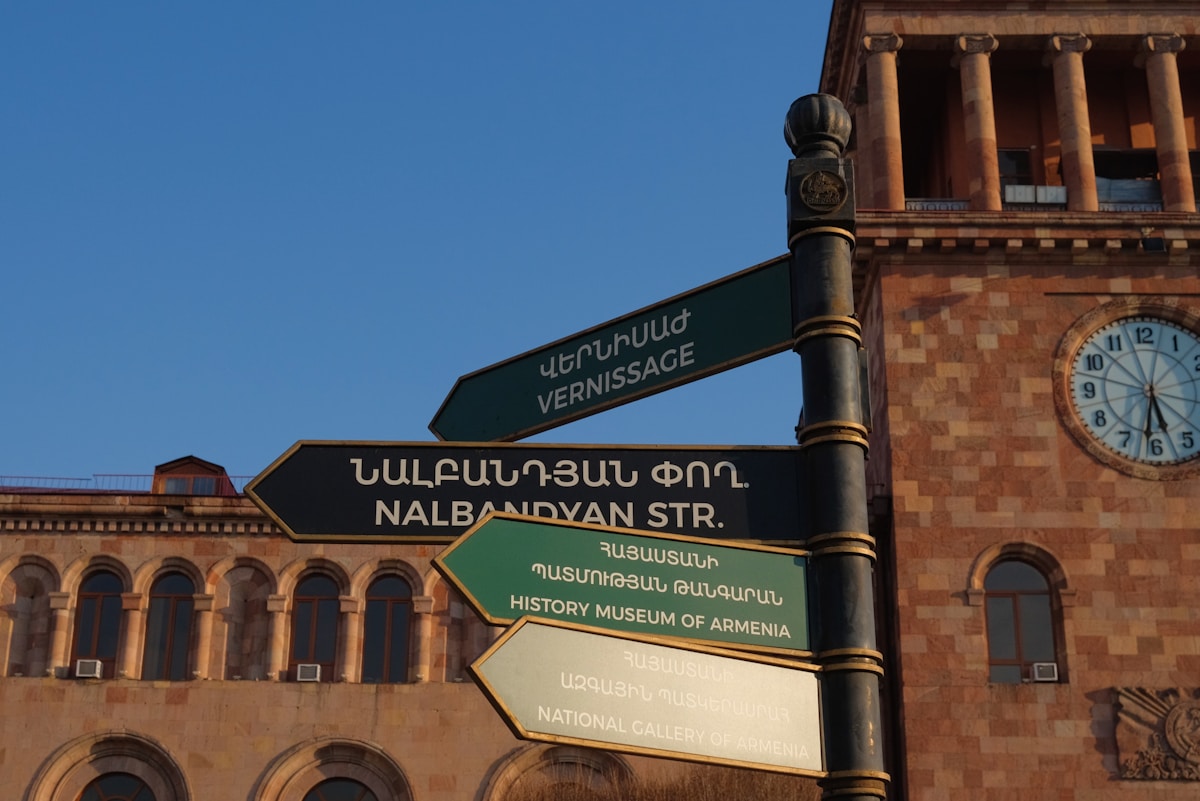
Armenia is one of the most affordable destinations in the region for independent travellers. Prices are low by European and even many Eastern European standards, particularly for accommodation, local food, and public transport. The country rewards those who eat where locals eat, travel on marshrutkas, and stay in guesthouses rather than city-centre hotels. This guide breaks down what you should expect to spend and where you can cut costs without sacrificing the best of what Armenia offers.
All prices are approximate as of 2026. Exchange rates fluctuate - check current rates before you travel.
Daily Budget Tiers
| Tier | Daily spend (AMD) | Daily spend (approx. USD) | What it covers |
|---|---|---|---|
| Budget | 15,000–25,000 AMD | ~$38–$64 | Hostel dorm, local restaurants, marshrutka, free sites |
| Mid-range | 35,000–60,000 AMD | ~$90–$155 | Guesthouse or mid hotel, mix of local and tourist restaurants, taxis for some legs |
| Comfort | 70,000–120,000 AMD | ~$180–$310 | Mid-range hotel, restaurant meals, hire car or private transport |
These tiers assume a full travel day including transport, accommodation, food, and one or two paid attractions. Days with long intercity travel or a private guided tour will sit higher; days in Yerevan walking and visiting free sites will sit lower.
Accommodation Costs
Hostels (AMD 5,000–8,000 per person/night)
Yerevan has a growing hostel scene, particularly around the city centre. Dorm beds in well-reviewed hostels cost approximately 5,000–8,000 AMD per person per night as of 2026. Most include free Wi-Fi, communal kitchen access, and lockers. Some offer private double rooms starting from approximately 12,000–16,000 AMD - cheaper than many guesthouses for two people sharing.
Notable hostel options include Envoy Hostel (which also runs day tours), Semaphore in the Kentron district, and several newer options that have opened near Republic Square. Outside Yerevan, hostel infrastructure is limited; Dilijan and Gyumri have a few options.
Guesthouses (AMD 10,000–15,000 per person/night, double room)
Guesthouses are the backbone of budget accommodation outside Yerevan. A double room in a family-run guesthouse in towns like Dilijan, Gyumri, or Jermuk costs approximately 10,000–15,000 AMD per night for the room (not per person) as of 2026. Breakfast is often included - substantial Armenian breakfasts of lavash, cheese, honey, eggs, and tomatoes - which reduces daily food costs. Guesthouses in villages near major monasteries (Garni, Noravank, Tatev) are another cost-effective option if you want to avoid the round trip to Yerevan each day.
Mid-range Hotels (AMD 20,000–35,000 per room/night)
Mid-range hotels in Yerevan with private bathrooms, air conditioning, and city-centre locations typically cost approximately 20,000–35,000 AMD per double room per night as of 2026. The equivalent in regional towns is often 15,000–25,000 AMD. For solo travellers, a mid-range hotel single room costs approximately 15,000–22,000 AMD.
Apartments (AMD 12,000–25,000 per night)
Short-term apartment rentals (via Airbnb or local listing sites) offer good value in Yerevan for stays of 3 nights or more. A one-bedroom apartment in the Kentron district costs approximately 12,000–20,000 AMD per night as of 2026. Having a kitchen cuts food costs significantly.
Food Costs
Street Food and Markets (AMD 500–1,500 per item)
Armenia’s street food is cheap and good. A lavash wrap (lavash filled with cheese, vegetables, or meat) from a market stall costs approximately 500–800 AMD as of 2026. Churchkhela (grape-and-nut strings, a traditional snack) costs approximately 300–600 AMD per piece at the Vernissage market. Fresh fruit and vegetables from Yerevan’s central market - the covered GUM Market near Mashtots Avenue - are priced at a fraction of Western European costs.
A filled bun (gata) or pastry from a neighbourhood bakery costs approximately 300–500 AMD as of 2026. A small cup of Armenian coffee at a local café costs approximately 500–800 AMD.
Local Restaurants and Canteens (AMD 2,000–4,000 per meal)
Eating at stolovayas (cafeteria-style canteens) or neighbourhood Armenian restaurants, you can eat a full lunch - soup, a main dish of khorovats (grilled meat) or dolma (stuffed vine leaves), salad, and bread - for approximately 2,000–4,000 AMD per person as of 2026. A half-litre of local Kilikia or Kotayk beer alongside costs approximately 600–1,000 AMD.
Lahmajun (Armenian flatbread topped with minced meat and herbs) is one of the best-value meals in Yerevan: approximately 800–1,200 AMD per piece at most local spots. One or two pieces makes a satisfying meal.
The Jermuk spring water brand is Armenia’s most common bottled water, widely available at approximately 200–400 AMD for a 1.5-litre bottle.
Tourist Restaurants and Yerevan City Centre (AMD 5,000–12,000 per meal)
Sit-down restaurants catering to tourists and expats in Yerevan’s Kentron district charge approximately 5,000–12,000 AMD per person for a full meal with drinks as of 2026. Armenian brandy - famously ARARAT, produced by the Yerevan Brandy Company - costs approximately 2,000–5,000 AMD per glass depending on age and grade at most city-centre restaurants.
You do not need to eat at tourist-oriented restaurants to eat well in Yerevan. The gap between local-restaurant quality and tourist-restaurant quality is smaller in Armenia than in many destinations.
Transport Costs
Yerevan Metro (AMD 100 per trip)
The Yerevan metro has a single line running roughly north–south through the city centre. A single trip costs approximately 100 AMD as of 2026 - one of the cheapest metro systems in the world. Buy a rechargeable card at any station. The metro covers the most useful city-centre routes: Republic Square, Opera House, Northern Avenue, Zoravar Andranik.
City Buses and Minibuses (AMD 100–150 per trip)
Yerevan’s urban minibuses (marshrutkas within the city) cost approximately 100–150 AMD per trip as of 2026. Flat fare, pay on exit. Routes are extensive but can be confusing for first-time visitors; the GG taxi app is easier for short trips.
GG Taxi App (AMD 600–1,500 within Yerevan)
GG is Armenia’s dominant ride-hailing app. A short trip within Yerevan (2–3km) costs approximately 600–900 AMD as of 2026; cross-city trips run approximately 1,000–2,000 AMD. Prices are fixed and shown upfront - no negotiation and no surge pricing. Download before arrival.
Intercity Marshrutkas (AMD 600–3,000 depending on distance)
Marshrutkas connect Yerevan to most major towns from Kilikia bus station (the main intercity terminus, near Sasuntsi David metro station). Approximate fares as of 2026:
| Route | Approximate fare |
|---|---|
| Yerevan → Gyumri | AMD 1,500 |
| Yerevan → Dilijan | AMD 1,000 |
| Yerevan → Sevan | AMD 600 |
| Yerevan → Goris | AMD 3,000 |
| Yerevan → Jermuk | AMD 2,000 |
Marshrutkas depart when full rather than on a fixed timetable. Journey times are reasonable on main routes - Yerevan to Gyumri takes approximately 1.5–2 hours.
Taxis Between Cities (AMD 6,000–20,000)
Shared taxis (available from the same areas as marshrutkas, slightly more expensive but faster and more direct) run between major cities for approximately 1.5–2x the marshrutka fare. Private taxis between cities - useful for reaching monasteries not served by marshrutkas - cost approximately 6,000–20,000 AMD depending on distance as of 2026.
Free and Low-Cost Attractions
Many of Armenia’s most significant sites are free or very cheap to enter. Highlights:
Free:
- Geghard Monastery (UNESCO World Heritage)
- Noravank Monastery - no entry fee
- Khor Virap Monastery - no entry fee
- Cascade complex and Cafesjian Museum sculpture garden, Yerevan
- Matenadaran Manuscript Museum exterior and gardens, Yerevan
- Republic Square and its fountain shows (evening, free)
- Vernissage outdoor market (weekends, free to browse)
- Yerevan free walking tour - self-guided and no-cost routes through the city centre
Low cost (approximately AMD 1,000–3,000):
- Garni Temple - approximately 1,500 AMD as of 2026
- Tatev Monastery - free to enter, but the Tatev aerial tramway (Wings of Tatev, the world’s longest reversible cable car) costs approximately 5,000 AMD return as of 2026
- Dilijan hiking trails - free; national park vehicle entry fee approximately 500 AMD per vehicle
In Yerevan:
- National History Museum - approximately 2,000 AMD as of 2026
- Armenian Genocide Memorial and Museum (Tsitsernakaberd) - free for the memorial, approximately 2,000 AMD for the museum
- Erebuni Fortress Museum - approximately 1,500 AMD
Money, ATMs, and Currency
The Armenian currency is the dram (AMD). USD and EUR are widely understood and accepted by many guesthouses, hotels, and tour operators, but in local restaurants, markets, and on public transport, AMD is required.
ATMs are plentiful in Yerevan and available in all major towns. Most ATMs accept Visa, Mastercard, and Maestro. Withdraw larger amounts to minimise transaction fees (Armenian bank fees per withdrawal range from 0 to approximately 500 AMD as of 2026; your home bank may add its own fee).
Currency exchange offices (called obmen in Russian, still commonly signposted that way) are found throughout Yerevan and offer rates comparable to ATM rates. The best rates tend to be in the dedicated exchange offices rather than hotel desks or the airport. Avoid exchanging money at Zvartnots Airport except for a small amount to cover transport to the city.
Credit and debit cards are accepted at most hotels, larger restaurants, and shops in Yerevan. Outside Yerevan, cash is often the only option - carry AMD. Street food vendors, marshrutkas, rural guesthouses, and most monastery entrance kiosks do not take cards.
Money-Saving Tips
Cook occasionally. Guesthouses with kitchen access and apartments let you buy produce from local markets at local prices. A breakfast of Armenian cheese, tomatoes, cucumbers, lavash, and coffee from a market costs approximately 1,500–2,500 AMD as of 2026 - less than a third of what a hotel breakfast charges.
Travel by marshrutka rather than private taxi. For most major intercity routes, marshrutkas are reliable enough and roughly one-quarter to one-sixth the cost of a private taxi. Reserve taxis for routes without marshrutka service (many monasteries) or when a small group sharing a taxi works out cheaper per person than multiple marshrutka fares.
Visit monasteries independently rather than on an organised tour. The major sites (Khor Virap, Noravank, Geghard, Garni, Tatev) can all be reached without a guide. Entry is free or low-cost. If you want context, buy one of the well-produced English-language guidebooks available at the Matenadaran and major bookshops in Yerevan - far cheaper than a private guide and useful throughout the trip.
Drink tap water in Yerevan. Yerevan’s tap water comes from mountain springs and is generally considered safe to drink - many locals drink it directly. Outside the capital, use bottled water or a filter.
Time your Yerevan visit to catch the Vernissage. The Vernissage open-air market runs on weekends near the Hraparak metro station, selling everything from Soviet memorabilia and handmade jewellery to fresh produce and churchkhela. Good for gifts and snacks at local prices.
Use the GG app for all Yerevan taxi journeys. GG prices are significantly lower than negotiated street taxis and transparent before booking. Bolt also operates in Yerevan.
Avoid the Armenian brandy tourist trap. ARARAT brandy is a genuine Armenian product worth trying - but the tourist-facing “tasting experience” at the Yerevan Brandy Company costs approximately 15,000–20,000 AMD as of 2026. A bottle of quality ARARAT 5-year from a supermarket costs approximately 8,000–12,000 AMD. You can taste more and spend less by buying a bottle and sharing it at your guesthouse.
Compare fares from multiple carriers with Aviasales - useful for finding routes via regional hubs that undercut the main Western booking sites. A prepaid eSIM from Airalo cuts roaming costs significantly - Armenia plans start from a few dollars for several gigabytes. Budget travellers still need travel insurance - medical costs without cover can quickly dwarf the savings made elsewhere.
Is Armenia Worth It for Budget Travellers?
Yes - Armenia is one of the better-value destinations in the region for independent travel. The combination of low accommodation costs, cheap and genuinely good local food, mostly free or low-cost historical sites, and inexpensive public transport makes a 10-day itinerary achievable for under $500–600 USD on a genuine budget. Mid-range travellers spending $90–150/day can eat and stay comfortably throughout. The main cost escalators are private transport and organised tours - both worthwhile for some sites but skippable for others.
See our getting around Armenia guide for transport options in more detail, and our visa and entry requirements page for current visa costs. Deciding between Armenia and neighbouring Georgia on a budget? Our Armenia vs Georgia comparison breaks down costs, infrastructure, and what each country offers independently travellers.
Plan Your Trip
✈️ Book your flights to Armenia 🛡️ Get travel insurance 📱 Stay connected with an eSIM 🚗 Rent a car