Armenian Brandy: A Complete Guide to Cognac, Distilleries, and What to Buy
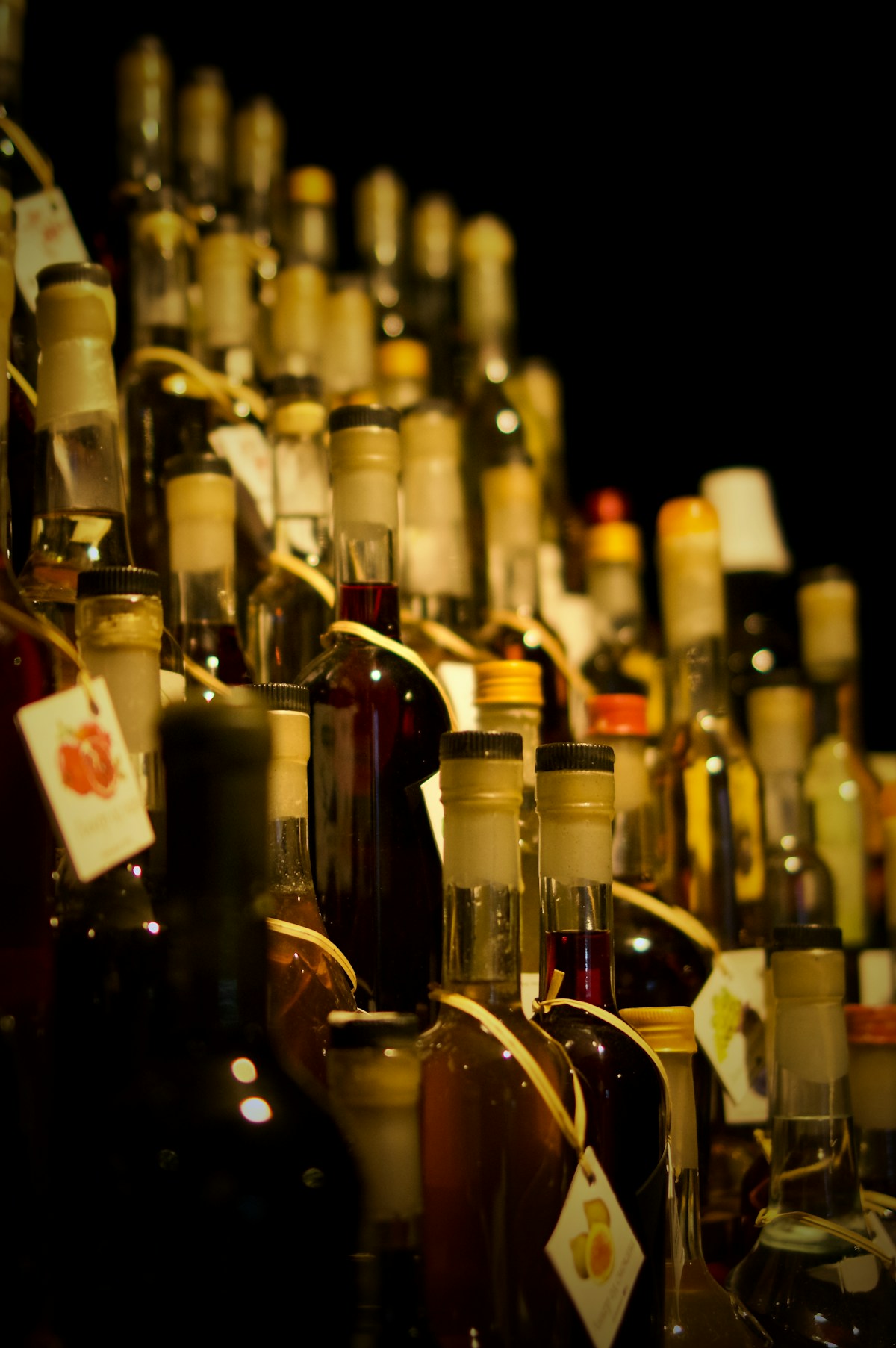
Armenian brandy is among the oldest and most technically accomplished distillation traditions in the world. Churchill drank it. Stalin gifted it. France objected to what it was called. And the Ararat Brandy Factory in Yerevan has been producing it in the same building since 1887. For visitors to Armenia, a tasting or factory tour is one of the most distinctive experiences the country offers.
A Brief History
Brandy production in Armenia predates the Russian Empire, but the modern industry began with Nerses Tairov, who founded what would become the Yerevan Brandy Company in 1887. The enterprise was acquired by Nikolai Shustov in 1899, and Shustov — a sharp marketer as much as a distiller — sent the product to Paris blind as an anonymous entry in a competition. It won. When the judges discovered it wasn’t French cognac, the result stood, and Shustov reportedly earned the right to use “cognac” in his marketing outside France.
The Soviet era brought nationalisation and mass production, but it also brought serious investment. During World War II, Winston Churchill was served Armenian cognac (attributed variously to a meeting in Tehran in 1943 or gifts from Stalin). Churchill reportedly asked for the supplier’s name, and thereafter ordered regular cases. Whether the exact volume of his annual order reached 400 bottles, as some accounts claim, is unverifiable — but the association between Armenian brandy and Churchill became part of the brand’s identity.
After Soviet collapse, the Yerevan Brandy Company was acquired by Pernod Ricard in 1998 and now operates as Ararat Cognac Factory under the Ararat brand.
The Naming Dispute with France
Armenian brandy producers spent much of the twentieth century labelling their product “cognac” — a word Armenians associated with the product’s quality and heritage, not its geography. The friction with France escalated after Armenia joined international trade agreements.
Under the 1994 Agreement on Trade-Related Aspects of Intellectual Property Rights (TRIPS), “cognac” became a protected geographical indication applicable only to brandy from the Charente department around the town of Cognac in France. The EU reinforced this through its own GI protection framework.
Armenia agreed to phase out the export use of “cognac” as part of trade accords, though the timeline was contested. The transition created an odd linguistic split: Armenian-language packaging and domestic conversation still uses “cognac” (կոնյակ, konyak), while export bottles say “brandy.” Visitors to the factory will encounter both terms depending on which counter they’re standing at. This isn’t evasion — it’s an unresolved cultural identity in parallel with a legal compliance requirement.
The brandy vs cognac debate matters less to Armenians than the fact that their product was competing with Cognac-region output more than a century before the legal argument was settled.
Ararat Brandy Factory Tour — Yerevan
Address: 51 Admiral Isakov Ave, Yerevan 0082
Getting there: 20 minutes on foot from Republic Square, or take the metro to Erebuni-Meditsinsky and walk 10 minutes. Taxis from central Yerevan cost approximately AMD 800–1,200 (under USD 2.50 as of 2026).
The factory and attached Ararat Museum are the main attraction. Tours run in Armenian, Russian, and English.
Tour options (prices as of 2026 — verify current rates on the official website before visiting):
- Classic Tour — approximately AMD 6,000 (around USD 15). Includes the production facility walk-through, aging cellars, and a 2-glass tasting of Ararat 3-star and 5-star expressions.
- Exclusive Tour — approximately AMD 12,000–15,000 (around USD 30–37). Adds the private Dvin cellar and a tasting that includes older expressions (AKHTAMAR 10 years or NAIRI 20 years depending on availability).
- Museum only — approximately AMD 2,500 (around USD 6). Covers the Ararat Museum history section without the tasting.
Tour times on weekdays: 11:00, 13:00, 15:00. Additional weekend slots. Duration approximately 1–1.5 hours. Walk-ins are usually accepted for the standard tour but groups of 6+ should book in advance through the Ararat Museum website.
The aging cellars are the highlight. They contain around 30,000 oak barrels and a “dead soldiers” collection — bottles recovered from Soviet-era stock, many unopened for 50+ years. The oldest intact bottle on display dates to 1902.
The on-site shop stocks the full Ararat range, including expressions not widely available in retail. Factory shop prices are comparable to Yerevan supermarkets but selection is broader.
Other Distilleries to Visit
Ararat is the dominant brand, but Armenia has several other producers worth seeking out:
Noy Brandy Factory (Yerevan)
Noy is Armenia’s second-largest brandy producer, founded in 1951. The range leans toward younger expressions at lower price points, though their top-tier aged blends are respected. The factory is in the Shengavit district of Yerevan. Tours are less structured than Ararat — call ahead to arrange a visit.
Van Ardi Winery (Vayots Dzor)
Not a brandy specialist, but Van Ardi produces small quantities of grape distillate alongside their wine operation in the Areni region. Worth visiting if you’re already travelling through Vayots Dzor for the Areni-1 Cave or Noravank Monastery. The production scale is a fraction of Ararat’s, and the approach is closer to artisan armagnac than industrial cognac.
Proshyan Brandy Factory (Vagharshapat / Etchmiadzin)
Located near the UNESCO-listed Etchmiadzin Cathedral, Proshyan is a mid-sized producer with a range extending to 20-year expressions. Often overlooked by visitors who come for the cathedral and leave without stopping at the distillery, which is a short drive from the complex.
Tasting Guide — What to Expect
Armenian brandy is made from white wine grapes (primarily Voskehat and Kangun varieties grown in the Ararat Valley and Vayots Dzor) that are double-distilled in copper pot stills and aged in Limousin or Caucasian oak barrels. The climate — cold winters and hot dry summers — creates significant temperature swings in the cellars, which accelerates the interaction between spirit and wood relative to Cognac’s more moderate conditions.
Typical flavour profile by age:
- 3-star / 3-year: Light amber, sharp on the nose. Dried fruit, vanilla, light oak. Primarily a mixer or an entry-level gift.
- 5-star / 5-year: The standard restaurant pour in Armenia. More rounded, with dried apricot prominent. Still relatively simple but honest.
- AKHTAMAR 10-year: The step-change expression. Dark amber, dried fig, prune, coffee, and a long tannic finish. This is where Armenian brandy distinguishes itself clearly from younger blends.
- DVIN 10-year: Originally created in 1945 for senior Soviet officials, reformulated post-independence. Slightly drier than AKHTAMAR with more prominent spice. Made to a different blend ratio — some prefer it.
- NAIRI 20-year: The prestige expression. Rich, oxidative, with dates, dark chocolate, and leather. Comparable price territory to a mid-range Cognac XO.
- VASPURAKAN 25-year: Reserve territory. Exceptional in good years. Difficult to find outside Armenia.
Serving: Armenians drink brandy neat at room temperature, typically after dinner with coffee and dried fruit (apricots and figs). Tulip glasses rather than balloon snifters. Adding ice is acceptable but not traditional.
What to Buy — Age Grades and Prices
Prices below are approximate as of 2026. Supermarket and duty-free prices vary by a margin of 10–20%.
| Expression | Age | Price (AMD) | Price (approx USD) |
|---|---|---|---|
| Ararat 3-star | 3 years | 3,500–5,000 | USD 9–13 |
| Ararat 5-star | 5 years | 6,000–8,000 | USD 15–20 |
| Ararat AKHTAMAR | 10 years | 18,000–22,000 | USD 45–55 |
| Ararat DVIN | 10 years | 16,000–20,000 | USD 40–50 |
| Ararat NAIRI | 20 years | 55,000–70,000 | USD 135–175 |
| Noy 3-year | 3 years | 3,000–4,000 | USD 7–10 |
| Noy 10-year | 10 years | 14,000–18,000 | USD 35–45 |
Best value for a gift: AKHTAMAR 10-year at AMD 18,000–22,000. Universally recognisable, better than anything at the same price point from Western Europe, and packaged well in the standard Ararat box.
Best for enthusiasts: DVIN for the historical provenance and distinct blend profile. NAIRI if budget allows.
Avoid: The 3-star and 5-star expressions are widely available internationally at roughly the same price as in Armenia. There is no meaningful saving on buying them here versus at home.
To taste brandy at source, combine a distillery visit with an Areni wine country tour — the Vayots Dzor region produces both. Organised Armenia food and drink tours often include tasting sessions at Ararat Brandy and at smaller producers in the Areni area.
Duty-Free Allowances
Leaving Armenia by air: Armenian customs generally permit travellers to export alcohol within personal use quantities. There is no formal Armenian export restriction on commercial brands like Ararat.
EU entry allowance: 1 litre of spirits over 22% ABV per person duty-free. Armenian brandy is typically 40% ABV — you can bring 1 litre without declaration.
UK entry allowance: 1 litre of spirits over 22% ABV duty-free.
US entry allowance: 1 litre (approximately one standard bottle) duty-free per person. Additional bottles are declarable and subject to federal duty.
The Zvartnots International Airport duty-free shop carries the full Ararat range. Prices are marginally higher than the factory shop but competitive with Yerevan supermarkets, and the selection is reliable. Buy here if you forgot to buy in the city — the range is adequate.
For context on where to sample brandy alongside a meal in Yerevan, see our eating out in Yerevan guide.
Book an experience
Food tours & cooking classes
A guided food tour covers more ground than eating solo — and you learn the backstory.
Frequently Asked Questions
- Why can't Armenian brandy be called cognac?
- Under the 1994 TRIPS Agreement and subsequent EU geographical indication law, the term 'cognac' is protected for brandies produced in the Cognac region of France. Armenia had used the term for decades but signed international trade agreements requiring the switch to 'brandy' for export. Domestically, older Armenians still say cognac.
- How do I book the Ararat Brandy Factory tour in Yerevan?
- Tours can be booked directly at the factory (51 Admiral Isakov Ave, Yerevan) or through the Ararat Museum website. As of 2026, standard tours run at set times — 11:00, 13:00, and 15:00 on weekdays, with additional slots on weekends. Walk-in spaces are usually available but booking ahead is recommended for groups.
- What age Armenian brandy should I buy?
- For a first purchase, a 10-year Ararat (AKHTAMAR) is the most versatile choice — complex enough to be interesting but not priced beyond a gift. Serious enthusiasts should try NAIRI (20 years) or DVIN (10 years, made to the original Soviet recipe). All are available at the factory shop and Yerevan duty-free.