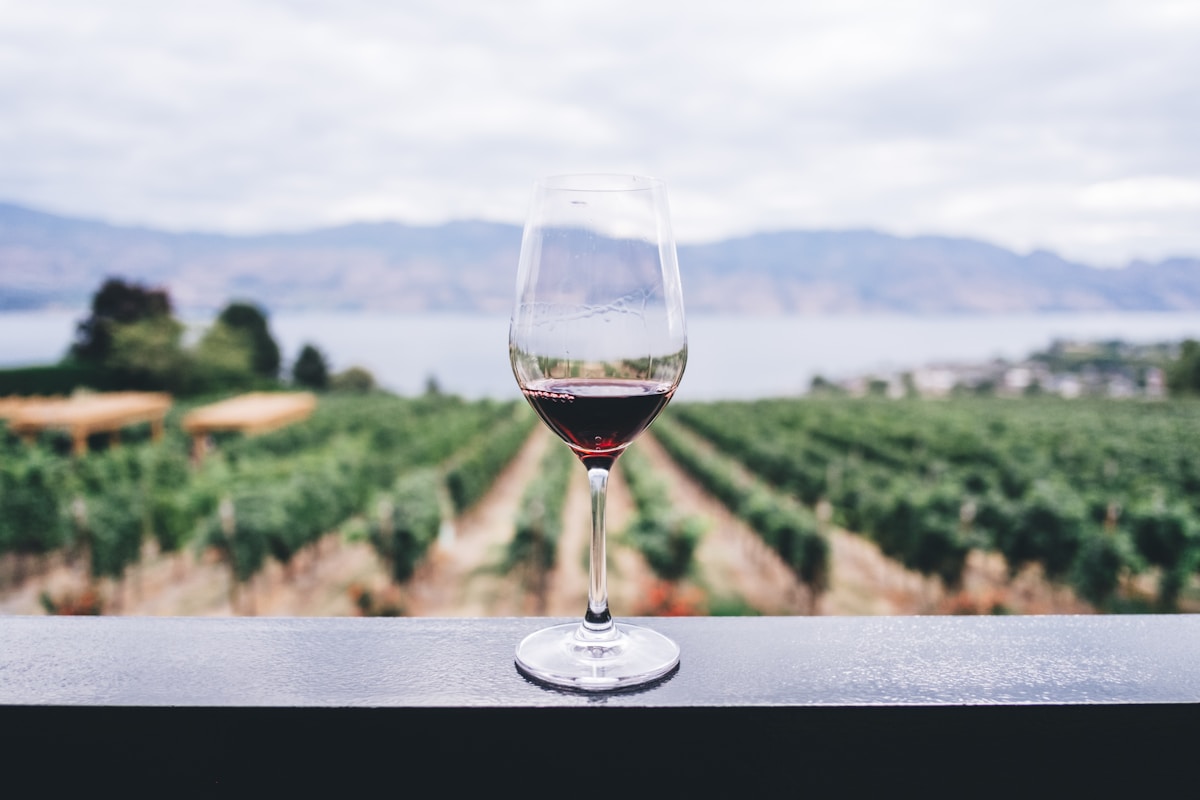
Armenia has been producing wine for longer than almost any nation on earth. The Areni-1 cave in Vayots Dzor, excavated from 2007 onwards, yielded winemaking equipment dated to approximately 4100 BC - the oldest confirmed winery ever found. Brandy came later, but the distilleries Armenia built in the nineteenth and twentieth centuries became famous beyond the country’s borders: Winston Churchill drank Ararat brandy, and the story of Stalin proposing it to him at Yalta has become inseparable from the bottle’s identity.
Today both industries are worth taking seriously. Yerevan’s Ararat distillery offers excellent tours; the Vayots Dzor wine corridor is a full day’s drive from the capital with multiple winery stops; and the bottles available in supermarkets and specialist shops represent extraordinary value compared to equivalents from France or Georgia.
Armenian Brandy: The Ararat Story
History
The Yerevan Brandy Company was founded in 1887 by Nerses Tairov. The distillery on the banks of the Hrazdan River became the production site for what would eventually be called Ararat brandy - a name taken from the mountain that dominates the city’s skyline (and that technically lies in Turkey, a geographical irony Armenians are entirely aware of).
The enterprise was acquired by Nikolai Shustov in 1899, and Shustov - a sharp marketer as much as a distiller - sent the product to Paris blind as an anonymous entry in a competition. It won. When the judges discovered it wasn’t French cognac, the result stood, and Shustov reportedly earned the right to use “cognac” in his marketing outside France.
The Soviet period brought nationalisation and scale. During World War II, Winston Churchill was served Armenian cognac - attributed variously to a meeting in Tehran in 1943 or gifts from Stalin. Churchill reportedly asked for the supplier’s name and thereafter ordered regular cases. Whether the exact volume reached 400 bottles annually, as some accounts claim, is unverifiable - but the association between Armenian brandy and Churchill became part of the brand’s identity.
After independence, the distillery passed through several ownership phases before becoming part of the Pernod Ricard portfolio in 1999, which it remains under as of 2026.
The Naming Dispute with France
Armenian brandy producers spent much of the twentieth century labelling their product “cognac” - a word Armenians associated with the product’s quality and heritage, not its geography. The friction with France escalated after Armenia joined international trade agreements.
Under the 1994 Agreement on Trade-Related Aspects of Intellectual Property Rights (TRIPS), “cognac” became a protected geographical indication applicable only to brandy from the Charente department around the town of Cognac in France. The EU reinforced this through its own GI protection framework.
Armenia agreed to phase out the export use of “cognac” as part of trade accords, though the timeline was contested. The transition created an odd linguistic split: Armenian-language packaging and domestic conversation still uses “cognac” (կոնյակ, konyak), while export bottles say “brandy.” Visitors to the factory will encounter both terms depending on which counter they’re standing at. This isn’t evasion - it’s an unresolved cultural identity in parallel with a legal compliance requirement.
The brandy vs cognac debate matters less to Armenians than the fact that their product was competing with Cognac-region output more than a century before the legal argument was settled.
The Ararat Range
Ararat brandy is aged in Limousin oak barrels, following cognac-style production rules. Prices are approximate retail as of 2026 and vary between shops.
| Label | Age | Notes | Approximate Price (Yerevan shops) |
|---|---|---|---|
| Ararat 3-star | 3 years minimum | Light, accessible, mixing grade | AMD 3,500–5,000 (USD 9–13) |
| Ararat 5-star | 5 years minimum | Smooth, vanilla and dried fruit | AMD 6,000–8,000 (USD 15–20) |
| Ararat AKHTAMAR | 10 years minimum | Richer, dried apricot, oak | AMD 18,000–22,000 (USD 45–55) |
| Ararat DVIN | 10 years (premium blend) | Historically Churchill’s favourite; drier, more spice | AMD 16,000–20,000 (USD 40–50) |
| Ararat NAIRI | 20 years minimum | Complex, long finish, limited stock | AMD 55,000–70,000 (USD 135–175) |
| Ararat VASPURAKAN | 25 years | Reserve territory; difficult to find outside Armenia | Price on request |
The Ararat Museum Shop at the distillery often carries a wider selection and occasional tasting sets not available in supermarkets.
Tasting Guide - What to Expect
Armenian brandy is made from white wine grapes (primarily Voskehat and Kangun varieties grown in the Ararat Valley and Vayots Dzor) that are double-distilled in copper pot stills and aged in Limousin or Caucasian oak barrels. The climate - cold winters and hot dry summers - creates significant temperature swings in the cellars, which accelerates the interaction between spirit and wood relative to Cognac’s more moderate conditions.
Typical flavour profile by age:
- 3-star / 3-year: Light amber, sharp on the nose. Dried fruit, vanilla, light oak. Primarily a mixer or an entry-level gift.
- 5-star / 5-year: The standard restaurant pour in Armenia. More rounded, with dried apricot prominent. Still relatively simple but honest.
- AKHTAMAR 10-year: The step-change expression. Dark amber, dried fig, prune, coffee, and a long tannic finish. This is where Armenian brandy distinguishes itself clearly from younger blends.
- DVIN 10-year: Originally created in 1945 for senior Soviet officials, reformulated post-independence. Slightly drier than AKHTAMAR with more prominent spice. Made to a different blend ratio - some prefer it.
- NAIRI 20-year: The prestige expression. Rich, oxidative, with dates, dark chocolate, and leather. Comparable price territory to a mid-range Cognac XO.
Serving: Armenians drink brandy neat at room temperature, typically after dinner with coffee and dried fruit (apricots and figs). Tulip glasses rather than balloon snifters.
What to Buy
Best value for a gift: AKHTAMAR 10-year at AMD 18,000–22,000. Universally recognisable, better than anything at the same price point from Western Europe, and packaged well in the standard Ararat box.
Best for enthusiasts: DVIN for the historical provenance and distinct blend profile. NAIRI if budget allows.
Skip the 3-star and 5-star expressions - they are widely available internationally at roughly the same price as in Armenia. There is no meaningful saving on buying them here versus at home.
Ararat Distillery Tours
The Yerevan Brandy Company operates a visitor centre and guided tours at the distillery on Admiral Isakov Avenue, on the western bank of the Hrazdan River Gorge.
Getting there: The distillery is a 20-minute walk from Republic Square, or take the metro to Erebuni-Meditsinsky and walk 10 minutes. Taxis from central Yerevan cost approximately AMD 700–1,200 (under USD 3) via Yandex as of 2026.
Tour options (as of 2026 - verify current rates on the official website before visiting):
- Classic Tour: Includes barrel hall, ageing cellars, and tasting of 2–3 expressions. Duration approximately 60–90 minutes. Price: approximately AMD 6,000–9,000 per person (USD 15–23) as of 2026.
- Premium Tour: Adds vertical tasting of older expressions including DVIN and NAIRI. Duration approximately 90 minutes. Price: approximately AMD 12,000–22,000 per person (USD 30–56) as of 2026.
- Museum only: Approximately AMD 2,500 (USD 6). Covers the Ararat Museum history section without the tasting.
Tour times on weekdays: 11:00, 13:00, 15:00. Additional weekend slots. Walk-ins are usually accepted for the standard tour; groups of 6+ should book in advance through the Ararat Museum website.
The aging cellars are the highlight - around 30,000 oak barrels and a “dead soldiers” collection of bottles recovered from Soviet-era stock, some unopened for 50+ years. The oldest intact bottle on display dates to 1902.
Other Armenian Brandies
Ararat is the dominant brand but not the only option:
Proshyan Brandy Factory produces lower-priced brandies sold under the Proshyan and Kanayan labels. Available in most supermarkets; the 5-year expression sells for approximately AMD 7,000–9,000 (USD 18–23) as of 2026. The factory is located near the UNESCO-listed Etchmiadzin Cathedral - a short drive from the complex if you are visiting anyway.
Noy Brandy is Armenia’s second-largest producer, founded in 1951. The range leans toward younger expressions at lower price points. The Noy 10-year (approximately AMD 14,000–18,000 / USD 35–45 as of 2026) is a solid alternative to AKHTAMAR at a comparable price. Call ahead if you want to visit the factory in Yerevan’s Shengavit district - tours are less structured than Ararat.
Duty-Free Allowances
Leaving Armenia by air: Armenian customs generally permit travellers to export alcohol within personal use quantities. No formal Armenian export restriction applies to commercial brands like Ararat. The Zvartnots Airport duty-free shop carries the full Ararat range - reliable selection if you forgot to buy in the city.
EU entry allowance: 1 litre of spirits over 22% ABV per person duty-free. Armenian brandy is typically 40% ABV.
UK entry allowance: 1 litre of spirits over 22% ABV duty-free.
US entry allowance: 1 litre (approximately one standard bottle) duty-free per person. Additional bottles are declarable and subject to federal duty.
Armenian Wine: Regions and Producers
Vayots Dzor - The Areni Heartland
Vayots Dzor province in southern Armenia is the centre of the country’s modern wine industry. The town of Areni sits at the confluence of the Arpa and Gnishik rivers at approximately 1,000 m elevation. The high altitude and semi-arid climate - hot summers, cold winters, long dry growing season - suit grape cultivation well.
The dominant variety is Areni Noir (also written Areni or Areni Black), a red grape indigenous to this region. At its best it produces wines with vivid acidity, dark fruit, earthy notes, and good ageing potential. It is rarely planted outside Armenia.
White wines in the region use Voskehat and Kangun grapes. Rkatsiteli (a Georgian variety) also appears in Armenian white blends from producers in the north.
Areni Wine Factory
The Areni Wine Factory is a small producer based in the village of Areni, approximately 2 km from the cave where the 6,000-year-old winery was found. It is the most approachable entry point for wine tourism in the region.
- Winery visits: Informal; the production space and cellar are viewable with advance notice
- Tasting room: Open seasonally (April–October most reliably); tastings of 3–5 wines approximately AMD 3,000–5,000 per person (USD 8–13) as of 2026
- Wines to try: Areni Noir single varietal, rosé from Areni, and their sparkling Areni
- Retail prices (at winery): Approximately AMD 4,500–7,000 per bottle (USD 11–18) as of 2026
The factory also produces chacha (grape marc spirit) and fruit wines - the pomegranate wine is a popular purchase for visitors.
Zorah Wines
Zorah is the most internationally recognised Armenian winery. Founded by Italian entrepreneur Zorik Gharibian in 2010, it is located in the village of Rind in Vayots Dzor. Zorah focuses entirely on Areni Noir, farming organically on ancient hillside terraces at 1,500–1,700 m.
The flagship wine, Karasi (named after the clay amphora used in traditional Armenian winemaking), has received significant international press and is exported to the USA, EU, and Japan.
- Karasi Areni Noir: approximately AMD 25,000–35,000 per bottle in Yerevan wine shops (USD 64–90) as of 2026
- Winery visits: By appointment only. The terraced vineyard and cellar visit is exceptional if you are serious about wine.
Karas Wines (Tierras de Armenia)
Karas is one of Armenia’s largest quality wine estates, located in Aragatsotn province near the town of Talin, northwest of Yerevan. The project began with significant Spanish winemaking involvement (hence the Spanish name “Tierras de Armenia”) and produces both red and white wines from international and Armenian varieties.
- Karas Classic Red: Primarily Syrah and Merlot, approximately AMD 6,000–8,000 per bottle (USD 15–20) as of 2026 - widely available in Yerevan supermarkets
- Karas Elegance (single vineyard): AMD 12,000–16,000 (USD 31–41) as of 2026
- Winery visits: The estate is approximately 80 km from Yerevan. Tours available on request; typically AMD 15,000–20,000 per person (USD 38–51) including transport from Yerevan.
Hin Areni Wines
Hin Areni (“Old Areni”) is a producer in Vayots Dzor focused on traditional winemaking using Areni Noir. Smaller production runs mean availability is less consistent in shops.
- Areni Noir vintage: approximately AMD 8,000–12,000 per bottle (USD 20–31) as of 2026
- Sold at the winery, at Areni village shops, and at selected Yerevan wine retailers
- The estate is close to Noravank Monastery - easily combined into a single day trip from Yerevan
Van Ardi Winery
Van Ardi is a family-run producer in Vayots Dzor making Areni Noir and Voskehat whites. Less well-known internationally than Zorah or Karas but earns consistently strong reviews. Their semi-sweet Voskehat is a distinctive Armenian white worth trying.
- Van Ardi Areni Noir: approximately AMD 7,000–9,000 (USD 18–23) as of 2026
- Van Ardi Voskehat: approximately AMD 6,500–8,500 (USD 16–22) as of 2026
- Also produces small quantities of grape distillate; worth visiting if you’re travelling through Vayots Dzor for the Areni-1 Cave or Noravank Monastery.
Where to Buy Armenian Wine and Brandy in Yerevan
SAS Supermarket (multiple Yerevan locations, including Republic Square area) stocks the widest supermarket selection: full Ararat range, Karas, Proshyan, and several Areni producers.
Wine Republic (Saryan Street, near the wine street restaurant strip) specialises in Armenian and Georgian wines. The staff are knowledgeable and the selection includes harder-to-find producers including Zorah, Van Ardi, and small-production naturals. Expect retail prices of AMD 5,000–35,000 per bottle depending on producer and vintage.
GUM Market (Mashtots Avenue) has a food hall where local producers sell direct. Areni producers often have a stall; prices are lower than in wine shops.
The Ararat Brandy House shop (at the distillery visitor centre) has the most complete Ararat range including gift sets not available in supermarkets.
Wine Tourism: Day Trip from Yerevan to Areni
The Areni wine village is 122 km from Yerevan, approximately 2 hours by car via the Arpa Gorge road. A manageable day trip takes in:
- Noravank Monastery - 9 km from Areni, 13th-century monastery in a red canyon; no entry fee, opens from approximately 8am
- Areni-1 Cave - the prehistoric winery site, approximately 2 km from the village; entry approximately AMD 1,500 (USD 4) per person as of 2026; guide recommended for context
- Areni Wine Factory tasting room
- Hin Areni or Van Ardi for a second producer visit if time allows
This circuit covers the highlights of southern Armenian wine country in a single day if you leave Yerevan by 8am. A dedicated wine tour with a driver guide is available through most Yerevan tour operators for approximately AMD 25,000–35,000 per person (USD 64–90) including transport and visits. Guided Areni wine tours from Yerevan can also be booked online in advance. If you want to linger rather than rush back, see our Areni overnight itinerary for a paced two-day plan built around wine tastings and Noravank at dawn, or our Vayots Dzor wine trail overnight guide for a longer circuit taking in smaller producers further into the region.
The annual Areni Wine Festival takes place in the first weekend of October. The village fills with producers from across Armenia offering tastings, food, and folk performances. Entry is free or minimal charge; it is one of the best events in the Armenian calendar.
To combine a distillery visit with wine country, see our Armenia food and drink tours - many include tasting sessions at Ararat Brandy and at smaller producers in the Areni area.
Book a Guided Food and Drink Tour
Armenia’s best culinary experiences - the Ararat brandy cellars, a winery lunch in the Areni gorge, a street-food walk through Yerevan’s GUM Market - are all richer with a local guide who can provide context on what you’re tasting and why it matters. Guided food and drink tours from Yerevan typically combine a market visit, a traditional restaurant stop, and either a distillery or winery depending on the itinerary, with transport and tastings included in the price. Browse Yerevan food and drink tours for options covering both the Ararat distillery and the Areni wine region, bookable most days in high season.
See Also
- Eating Out in Yerevan - where to drink Armenian wine in the city
- Noravank Monastery - the canyon monastery in the heart of wine country
- Day Trips from Yerevan - includes the Areni wine route
- 5-Day Armenia Itinerary - with time built in for a winery visit
Plan Your Trip
For brandy distillery tours and wine country day trips, browse Armenia tours and experiences - Ararat Factory visits and Areni winery excursions are among the most booked. Arrange travel insurance before you travel and get a prepaid eSIM from Airalo to stay connected, particularly on the drive south into the Areni wine corridor where signal drops between towns. Browse hotels in Yerevan - most distillery and wine country tours depart from the capital and return the same day, so basing yourself there is the simplest option.