Armenian cuisine is one of the great underrated food traditions of the region. Rooted in the same Caucasian and Mediterranean pantry as Georgian and Lebanese cooking, it has its own distinct character - bold, herb-driven, and built around communal eating. For restaurant recommendations in the capital, see our eating out in Yerevan guide.
Khorovats - The Heart of Armenian Cooking
Khorovats is Armenia’s barbecue tradition and the most important culinary ritual in the culture. It’s not a restaurant experience at its best - it’s something you’re invited to by Armenian families or encounter at outdoor festivals. Pork ribs, lamb chops, chicken, and vegetables are marinated and grilled over an open fire. The quality varies enormously from the extraordinary to the average.
In restaurants, khorovats platters are common and often good. For the best experience, seek out a traditional village setting or a restaurant with an active wood-fire grill visible from the kitchen.
Essential Dishes
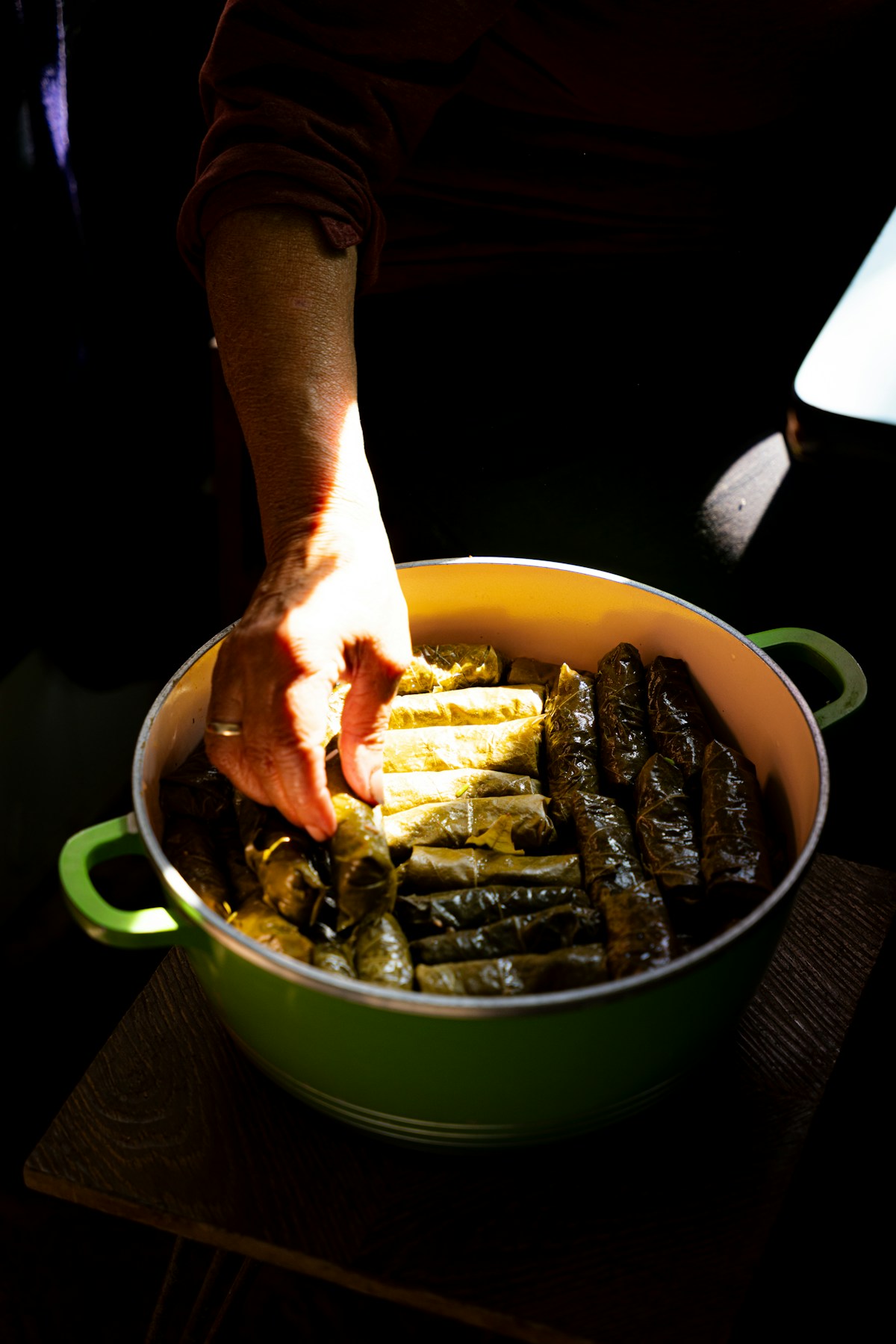
Dolma - Vine leaves or peppers stuffed with minced lamb, rice, herbs, and spices. Served with matsun (Armenian yoghurt). Both grape leaf and pepper versions are common.
Harissa - A slow-cooked porridge of hulled wheat and chicken, prepared over many hours. Considered a national ceremonial dish, it’s served at Vardavar (water festival - see our Armenia festivals guide for dates) and other occasions. Not found on every restaurant menu - seek it out at traditional Armenian restaurants.
Manti - Small dumplings, usually baked (not boiled), filled with seasoned lamb mince. Served with matsun and sumac. The baked version gives a slightly crispy shell - better than the version common in Turkish restaurants.
Ghapama - A festive dish: a whole pumpkin stuffed with rice, dried fruits (raisins, prunes, apricots), nuts, and spices, then baked. The pumpkin acts as both vessel and ingredient. It’s seasonal and ceremonial, so you’ll need to specifically seek it out.
Jingalov Hats - Flatbread stuffed with a mixture of 10–20 different fresh and dried herbs and greens. A speciality of Artsakh (Nagorno-Karabakh) that has spread throughout Armenia. Find it at the Jingalov Hats stalls near the Vernissage market in Yerevan.
Khash - A winter dish: slow-boiled cow hooves and head, eaten with lavash and raw garlic, washed down with vodka or chacha. Very much an acquired taste and a cultural ritual. Traditionally eaten at dawn in winter.
Lavash and Bread
Lavash - the thin, soft flatbread baked in a tonir (underground clay oven) - is UNESCO Intangible Cultural Heritage and a daily staple. It’s used to scoop dips, wrap khorovats, and accompany every meal. Fresh lavash from a bakery is significantly better than the packaged version.
Dairy and Meze
Armenian cheese culture is excellent. Chechil (string cheese, slightly salty), lori (a brined cow’s milk cheese), and various goat’s milk cheeses from mountain regions are all worth seeking. Matsun - a sharp, slightly sour yoghurt - accompanies most savoury dishes.
The meze tradition is strong: spreads of hummus, mutabal (aubergine), roasted pepper paste, walnut and herb dips, pickled vegetables, and fresh herbs are standard starters in traditional restaurants. For the best time to experience seasonal dishes like fresh pomegranate and grape-based preserves, see our Armenia in September guide.
Brandy and Wine
Armenia has a significant brandy tradition - the Ararat Yerevan Brandy Factory has been operating since 1887 and produces some of the most respected brandy outside of France. Tours of the factory are available.
The wine industry is growing. The Areni grape - indigenous to Armenia and one of the oldest cultivated varieties in the world - produces wines that range from surprisingly delicate to heavily tannic. The Areni village area (120km south of Yerevan) is the wine heartland. For winery visits and tasting tours, see our wine tasting guide.
Organised Yerevan food tours visit the Vernissage market, GUM Market, and key restaurants in a single guided session — most run 3–4 hours with multiple tasting stops. For cooking classes - often the best way to learn Armenian techniques - see our Armenian cooking class guide.
Where to Eat in Yerevan
- Traditional Armenian: Pandok Yerevan, Caucasus Tavern, Dolmama - all serve good versions of the classics
- Khorovats specialist: Any restaurant advertising a wood grill. Ask if it’s actual wood fire or gas
- Jingalov Hats: The stalls along the alley off Abovyan Street near Vernissage
- GUM Market: The central covered market - best for fresh produce, cheese, dried fruits, and local ingredients
- Abovyan Street cafe strip: The most concentrated area of cafes and casual dining in central Yerevan
For a deeper dive into Yerevan’s restaurant scene, including specific dishes to order at each type of venue, see our eating out in Yerevan guide. If you’d like to learn to cook these dishes yourself, our Armenian cooking class guide covers Yerevan operators and what to expect.
Plan Your Trip
Browse food tours and cooking classes in Armenia — most Yerevan operators offer half-day sessions covering markets, tastings, and traditional cooking technique. Arrange travel insurance before you fly; medical cover is worth having in a country with limited English-speaking hospital capacity. A prepaid eSIM from Airalo means you have data from the moment you land — no need to queue at the airport for a local SIM. For accommodation, browse hotels in Yerevan — the capital is the natural base for exploring Armenian food culture, with most day trips to wine country and regional kitchens starting here.