Armenia is a country where hospitality runs deep and social customs carry real weight. Get the basics right and you will be welcomed warmly; get them wrong and you may cause unintended offence. This guide covers everything from dress codes at Geghard Monastery to tipping at a Yerevan restaurant, so you can travel with confidence.
Dress Codes
Religious Sites
Armenia has one of the world’s oldest Christian traditions, and its monasteries and churches are still active places of worship. Respecting dress rules is not optional — it is the most basic courtesy you can offer.
At sites such as Tatev Monastery, Khor Virap, Noravank, and Geghard Monastery, both men and women should cover their shoulders and knees before entering. Many sites keep a small supply of shawls and skirts at the entrance for visitors who arrive underprepared, but do not rely on this. Arriving covered shows respect and avoids delay.
Women are generally expected to cover their hair inside the main nave of a church. A light scarf in your bag is sufficient. Men should remove hats on entry.
Shoes stay on in Armenian churches (unlike mosques), but loud footwear that clacks across stone floors draws attention during services, so softer soles are appreciated.
Everyday Clothing
Yerevan is a modern, cosmopolitan city and dress standards in the capital are relaxed. Shorts and summer clothing are entirely normal in cafes, markets, and the streets of Northern Avenue or Cascade. That said, Armenians dress smartly for evenings out, and arriving in beachwear at a mid-range restaurant like Sherep or Khorovats Yard would look out of place.
In rural villages and smaller towns, conservative dress is appreciated. Loose trousers and covered shoulders for women signals respect in settings where older community members may hold traditional expectations.
Beaches and Lakes
Lake Sevan is the main swimming destination in Armenia. Swimwear is fine at the beach areas around Sevanavank Peninsula and the resorts near Tsaghkadzor. There is no specific dress rule once you are in the water, but changing in public is not acceptable — use the changing areas at the beach facilities. The lakeside monastery of Sevanavank is a short walk from the beach, and the same church dress rules apply if you walk up to visit it.
Tipping Culture
Restaurants
Tipping is appreciated but not obligatory in Armenia, and practices are shifting. In Yerevan’s established restaurants, leaving 10% is standard for good service. At high-end venues such as The Club or Sherep, rounding up to 10-15% is customary when service has been attentive.
Check the bill before tipping. Some restaurants — particularly in the tourist areas around Republic Square — add a service charge automatically. If 10-15% has already been added, you are not expected to leave additional cash.
Cafes and Bars
Tipping in cafes is optional. Leaving loose change from your bill or rounding up by 100-200 AMD is a reasonable gesture at places you visit more than once. At bars, a tip of 5-10% is appreciated, especially at venues with table service.
Taxis and Drivers
Do not tip when using GG or Yandex Go ride-hailing apps — fares are fixed and tipping via the app is not standard practice. For private driver hires or minibus transfers (as are common for monastery day trips), tipping your driver 500-1,000 AMD is a thoughtful acknowledgement of a good service.
Hotels and Guesthouses
Leaving 500-1,000 AMD per night for housekeeping is appreciated at mid-range hotels and guesthouses. Porter services at larger hotels typically expect 200-500 AMD per bag. At budget guesthouses, tipping is genuinely optional.
When Not to Tip
Do not tip state employees, government officials, or in any context that could be misread as a bribe. Petrol station attendants and supermarket cashiers are not tipped.
Social Customs and Greetings
Greetings
Armenians greet with a handshake between men. Between friends of both genders, or among women who know each other, a single kiss on the cheek is common. With strangers, a handshake and a small nod of the head is appropriate.
The standard greeting is barev (բարեւ) — “hello.” Barev dzez is the more formal version. Using even a few words of Armenian is received with genuine pleasure and often prompts a warm smile or a longer conversation.
In professional or formal settings, first names are used fairly quickly in Armenia, unlike some European cultures where surnames persist longer. Follow the lead of your host.
Bargaining
Bargaining is not part of everyday shopping culture in Armenia. Prices at supermarkets, pharmacies, cafes, and most shops are fixed. At Vernissage Market in Yerevan — the large outdoor crafts and antiques market open at weekends — light bargaining on handmade goods and antiques is acceptable, but aggressive haggling is not the norm and will not be received well. A polite counter-offer on a large purchase is fine; persistent pressure is not.
Photography
Armenia is generally a photography-friendly country. Landscapes, street scenes, and the extraordinary monastery complexes are all fair game. However, a few rules apply:
- Always ask before photographing people, especially in rural areas or during personal moments
- Some churches and monasteries restrict photography inside the main nave. Look for posted signs or ask a staff member
- Do not photograph military installations, border checkpoints, or sensitive government buildings
- At cultural performances or religious ceremonies, check whether photography is permitted before raising your camera
Religious and Cultural Sensitivities
Christianity and the Armenian Apostolic Church
The Armenian Apostolic Church is not just a religion but a national identity marker. Armenians draw a direct line between their faith and their survival as a people through centuries of invasion and, most significantly, the Genocide of 1915. Treat churches, monks, priests, and religious ceremonies with genuine respect.
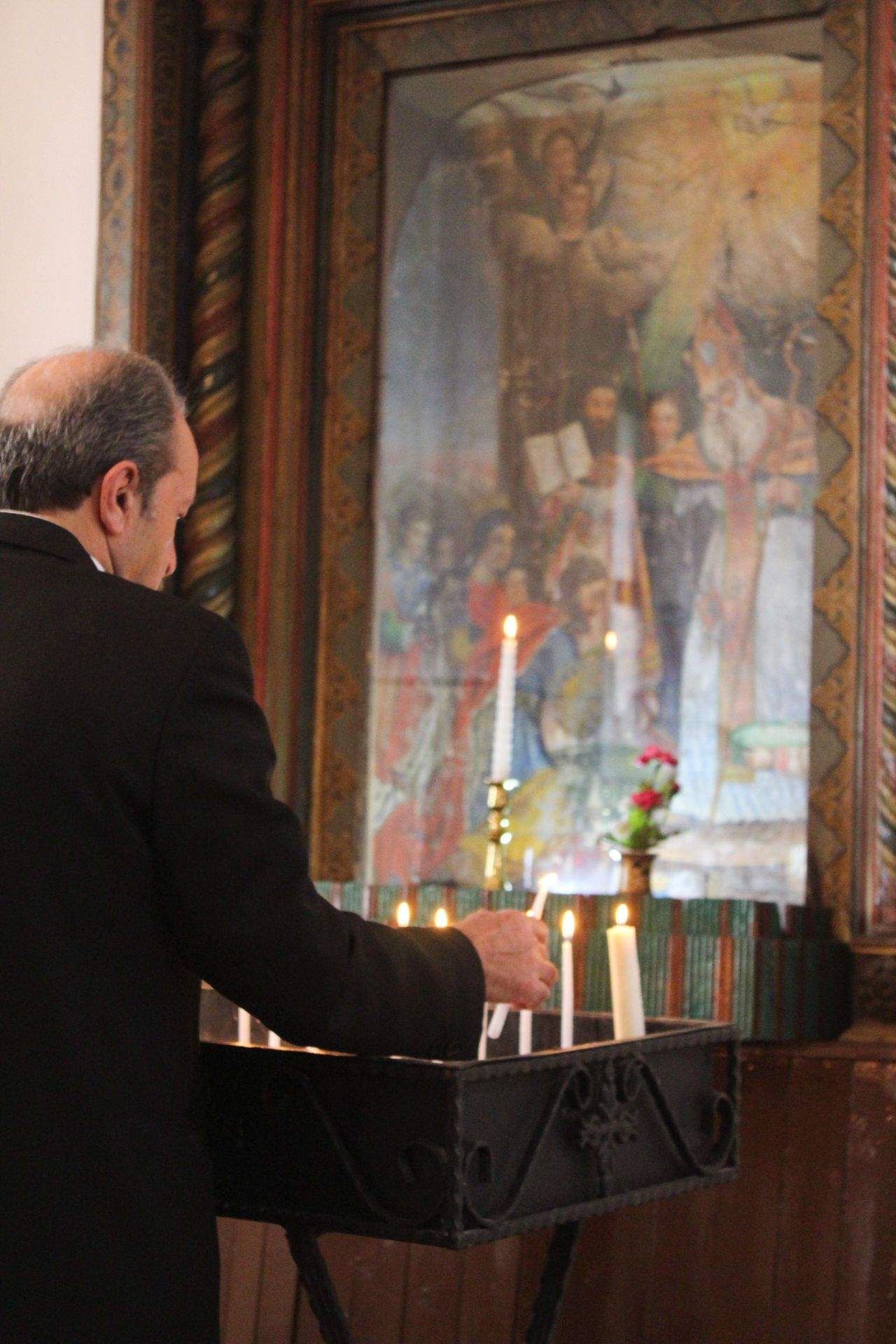
If you enter a church during a service, move quietly, do not disrupt proceedings, and observe how locals behave. Lighting a candle (available at the entrance for a small donation) is a way to participate respectfully even if you do not share the faith.
The Armenian Genocide
The Genocide of 1915 is a subject of enormous sensitivity. The events are considered settled history by Armenians, and denial or relativisation of the Genocide is deeply offensive. The Tsitsernakaberd Memorial in Yerevan is a place of solemn national remembrance. If you visit, treat it as you would any serious memorial — quietly, respectfully, and without making it a backdrop for casual photography.
Avoid politically charged commentary on this subject unless you are in a scholarly or invited conversation. Most Armenians appreciate when visitors acknowledge the Genocide respectfully; they do not need it argued over.
The Nagorno-Karabakh Conflict
The situation involving Nagorno-Karabakh (referred to in Armenia as Artsakh) remains an open wound for many Armenians following the events of 2023. Be sensitive when the subject arises in conversation. Do not offer unsolicited geopolitical analysis or treat it as an abstract political debate — for many Armenians you will meet, it is personal.
Dining Etiquette
At the Table
Armenian hospitality centres on food. If you are invited to someone’s home, you are expected to eat well — declining food repeatedly will be seen as impolite. Take at least a portion of everything offered. If you are genuinely full, say so warmly and accept a small amount rather than none.
The host typically pours drinks, and accepting a toast is a sign of respect. Armenian toasts (kenatstner — “to your health”) can run long and are often heartfelt. Drink, or at least raise your glass and touch it to your lips, even if you are not drinking alcohol.
Bread (lavash or matnakash) is treated with respect. Do not place it upside down on the table, and avoid waste — leaving a full piece untouched may draw a polite comment from your host.
Paying the Bill
In restaurants, it is common for one person to pay for the whole table, particularly when business is involved or when a host is treating guests. Splitting the bill is accepted in casual social situations but less expected when you are someone’s guest. If you want to pay, offer once clearly — your host may decline but will appreciate the gesture.
Behaviour in Armenian Homes
Being invited into an Armenian home is a genuine honour and signals you have been accepted warmly. A few customs to keep in mind:
Remove your shoes at the door. This is standard in Armenian homes. If you are unsure, look at what others do on arrival — there is usually a rack or pile of shoes near the entrance.
Bring a gift. Arriving empty-handed is considered slightly rude. A box of chocolates, a bottle of good Armenian brandy (such as Ararat 5-year), or fresh pastries from a bakery are all appropriate and appreciated. Flowers are a good option too — odd numbers are customary for gifts (even numbers are associated with funerals).
Expect to be fed substantially. Armenian hosts tend to over-cater dramatically by Western standards. Tables are laden with mezze, salads, and main dishes simultaneously. Compliment the food, eat well, and accept seconds at least once.
Do not rush to leave. Lingering after a meal over coffee, tea, and conversation is the norm. A quick exit signals that you did not enjoy yourself. If you do need to leave at a certain time, mention it before sitting down.
Older guests and family elders receive deference. In multigenerational households, the eldest members are served first and addressed respectfully. Follow the lead of your hosts.
Armenia rewards travellers who approach it with curiosity and respect. The customs here are not complicated — they mostly come down to being present, eating heartily, and treating people and their faith with consideration. Get those things right and you will find Armenians among the most generous hosts in the world.