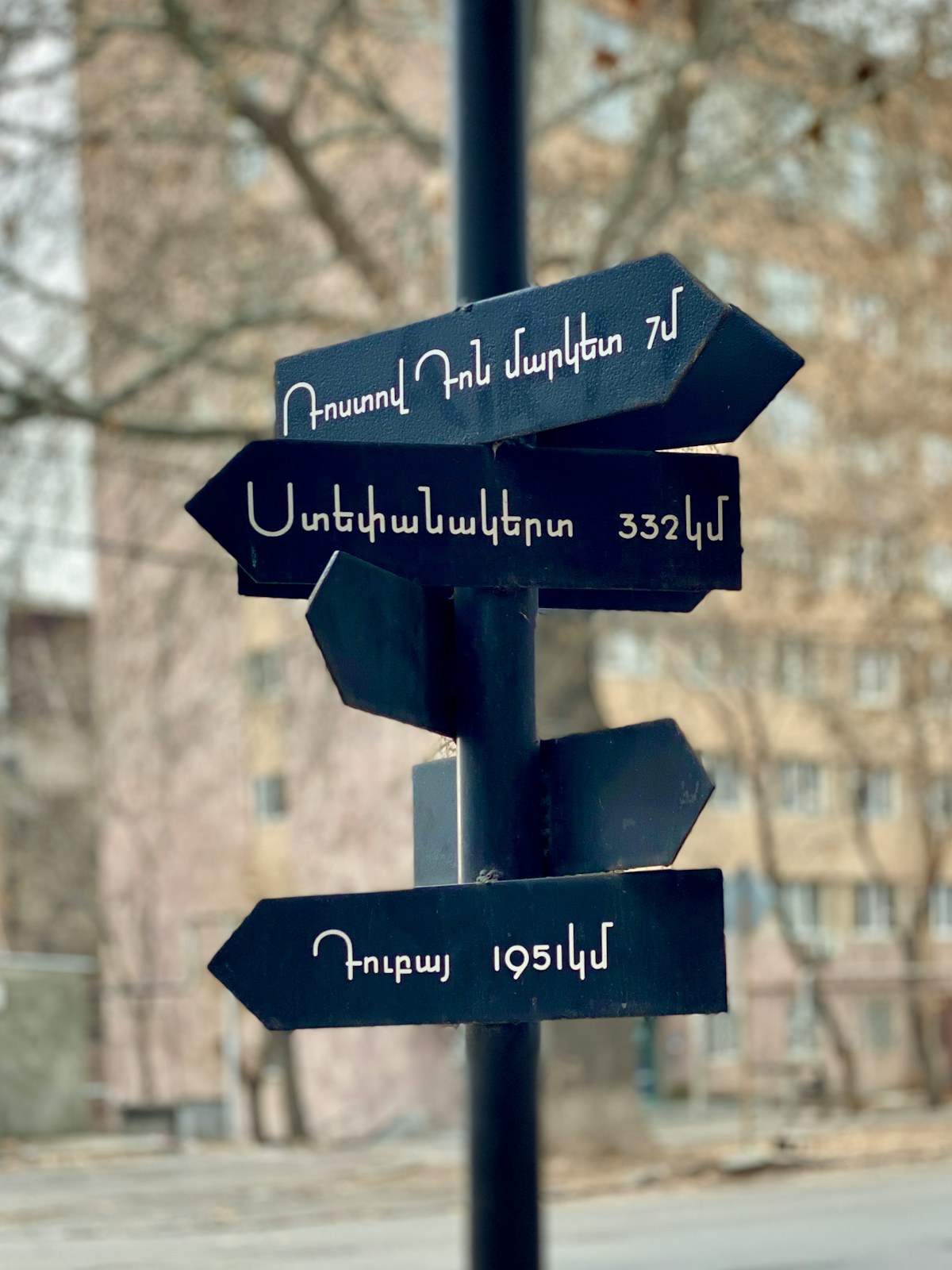
Armenia’s language is unlike anything most travellers have encountered. The Armenian alphabet - one of the oldest in continuous use - was invented in a single act of national will in 405 AD, and the language itself has no close relatives. Even short visits to Yerevan go more smoothly with a few key phrases. Venture into Dilijan, Gyumri, or the villages around Lake Sevan and that handful of Armenian phrases can be the difference between a transactional stop and a genuine encounter.
The Language at a Glance
Language name: Armenian - Հայերեն (Hayeren) in the local script.
Variant spoken: Eastern Armenian, the official standard in the Republic of Armenia. Western Armenian is a separate variety spoken mainly by diaspora communities; the two are partially mutually intelligible but differ enough that a phrase book written for one is sometimes confusing for the other. All phrases below are Eastern Armenian.
Script: The Armenian alphabet - known as the Aybuben (Այբուբեն) - has 38 letters. Mesrop Mashtots designed it in 405 AD to translate religious texts, and it has barely changed since. Letters read left to right; upper and lower case versions exist for all 38. It takes about two hours to learn the letter names, though reading fluently takes considerably longer.
Other languages you’ll encounter: Russian is widely understood by Armenians over 45, a legacy of the Soviet era. Younger Armenians often speak English instead - or in addition. In tourist restaurants and hotels throughout Yerevan, English is increasingly reliable. Outside the capital, Russian remains more useful than English with older locals.
Pronunciation Guide
Armenian has several sounds that don’t exist in English. Getting close enough is more about attitude than perfection - Armenians are patient with visitors who try.
Key sounds:
- kh - a soft guttural, like the “ch” in the Scottish “loch” or the Spanish “j” in José. Example: khndrem (please).
- gh - a voiced version of the above, even softer; similar to a Parisian French “r”. Example: bzhishk has the gh embedded. Practice by humming while making the “kh” sound.
- ts - as in “cats”, but at the start of a word. Example: tsesutyun (goodbye).
- dz - as in “adze”. Example: dzakh (left).
- y at the start - a genuine consonant, not the “ih” sound in English. Yes in Armenian means “I” and sounds like English “yes” but shorter.
- Stress falls on the final syllable in most Armenian words. In the tables below, stressed syllables appear in capitals.
A practical shortcut: When in doubt, speak slowly, stress the last syllable, and let your vowels be open. Armenians fill in the gaps generously.
Essential Phrases
Greetings and Basics
| English | Armenian script | Transliteration | Pronunciation |
|---|---|---|---|
| Hello | Բարև | Barev | ba-REV |
| Good morning | Բարի լույս | Bari luys | ba-ri LUYS |
| Good evening | Բարի երեկո | Bari yereko | ba-ri ye-re-KO |
| Goodbye | Ցտեսություն | Tstesutyun | ts-te-su-TYUN |
| Please | Խնդրեմ | Khndrem | khun-DREM |
| Thank you | Շնորհակալություն | Shnorhakalutyun | shnor-ha-ka-lu-TYUN |
| You’re welcome | Խնդրեմ | Khndrem | KHUN-drem |
| Yes | Այո | Ayo | ah-YO |
| No | Վոչ | Voch | VOCH |
| Excuse me / Sorry | Ներողություն | Neroghutyn | ne-ro-ghu-TYUN |
| I don’t understand | Ես չեմ հասկանում | Yes chem haskanum | yes chem has-ka-NUM |
| Do you speak English? | Անգլերեն գիտե՞ք | Angleren giteq? | ang-le-REN gi-TEK |
| Slowly, please | Դանդաղ, խնդրեմ | Dandagh, khndrem | dan-DAGH, khun-DREM |
Transport and Getting Around
| English | Armenian script | Transliteration | Pronunciation |
|---|---|---|---|
| Where is…? | Որտե՞ղ է…? | Vorteq e…? | vor-TEK EH |
| How much does it cost? | Ինչքա՞ն է? | Inchqan e? | inch-KAN EH |
| Left | Ձախ | Dzakh | DZAKH |
| Right | Աջ | Ach | ACH |
| Straight ahead | Ուղիղ | Ugigh | u-GIGH |
| Stop here | Այստեղ կանք | Aysteq kanq | ay-STEQ KANK |
| Taxi | Տաքսի | Taksi | TAK-si |
| Bus station | Ավտոկայան | Avtokayan | av-to-ka-YAN |
| Airport | Օդանավակայան | Odanavakayan | o-da-na-va-ka-YAN |
| Train station | Կայարան | Kayaran | ka-ya-RAN |
| Ticket | Տոմս | Toms | TOMS |
| Is this the bus to Gyumri? | Այս ավտոբուսը Գյումրի՞ | Ays avtobusuh Gyumri? | ays av-to-bu-SUH GYUM-ri |
Accommodation
These phrases are most useful at guesthouses and smaller hotels in the regions, where English is rarely spoken.
| English | Armenian script | Transliteration | Pronunciation |
|---|---|---|---|
| Do you have a room? | Սենյակ ունե՞ք | Senyak uneq? | sen-YAK u-NEK |
| How much per night? | Ինչքան է մեկ գիշեր? | Inchqan e mek gisher? | inch-KAN EH mek gi-SHER |
| I have a reservation | Ես ամրագրել եմ | Yes amragrvel em | yes am-rag-vel EM |
| Key | Բանալի | Banali | ba-na-LI |
| Hot water | Տաք ջուր | Taq jur | TAK JOOR |
| There is no hot water | Տաք ջուր չկա | Taq jur chka | TAK joor CHKA |
| WiFi password | Ռադիոկապի գաղտնաբառ | WiFi gaghtnabaw | wi-FI gagh-tna-BAW |
| Checkout time | Ելքի ժամ | Yelqi zham | yelk-I ZHAM |
Food and Dining
| English | Armenian script | Transliteration | Pronunciation |
|---|---|---|---|
| The menu, please | Մենյու, խնդրեմ | Menyu, khndrem | me-NYU khun-DREM |
| The bill, please | Հաշիվը, խնդրեմ | Hashivuh, khndrem | ha-shi-VUH khun-DREM |
| Water | Ջուր | Jur | JOOR |
| Bread | Հաց | Hats | HATS |
| Coffee | Սուրճ | Surj | SURJ |
| Tea | Թեյ | Tey | TEY |
| Beer | Գարեջուր | Garejur | ga-re-JOOR |
| Delicious! | Համեղ | Hameg | ha-MEG |
| Cheers! | Կենաց! | Kenats! | ke-NATS |
| I am vegetarian | Ես բուսակեր եմ | Yes busaker em | yes bu-sa-KER EM |
| I am allergic to… | Ես ալերգիա ունեմ | Yes allergia unem | yes a-ler-GI-a u-NEM |
| No meat | Միս չկա | Mis chka | MIS CHKA |
Emergencies
| English | Armenian script | Transliteration | Pronunciation |
|---|---|---|---|
| Help! | Օգնություն! | Ognutyun! | og-nu-TYUN |
| Call the police | Զանգահարեք ոստիկանությանը | Zangahareq vostikanutyunuh | zang-a-ha-REK vos-ti-ka-nu-TYUN-uh |
| Call an ambulance | Շտապօգնություն կանչեք | Shtapognuytun kancheq | shta-pog-nu-TYUN kan-CHEQ |
| I need a doctor | Բժշկի կարիք ունեմ | Bzhshki kariq unem | bzhshk-I ka-RIK u-NEM |
| Hospital | Հիվանդանոց | Hivandanots | hee-van-da-NOTS |
| Pharmacy | Դեղատուն | Deghatun | de-gha-TUN |
| I am lost | Ես մոլորվեցի | Yes molvorvtsi | yes mo-lor-VET-si |
Numbers
Numbers are essential for markets, taxis, and guesthouses where prices are quoted verbally.
| Number | Armenian | Pronunciation |
|---|---|---|
| 1 | Մեկ (Mek) | MEK |
| 2 | Երկու (Yerku) | yer-KU |
| 3 | Երեք (Yereq) | ye-REK |
| 4 | Չորս (Chors) | CHORS |
| 5 | Հինգ (Hing) | HING |
| 6 | Վեց (Vets) | VETS |
| 7 | Յոթ (Yot) | YOT |
| 8 | Ութ (Ut) | OOT |
| 9 | Ինը (Inu) | i-NU |
| 10 | Տաս (Tas) | TAS |
| 20 | Քսան (Qsan) | KSAN |
| 50 | Հիսուն (Hisun) | hi-SUN |
| 100 | Հարյուր (Haryur) | har-YUR |
| 1000 | Հազար (Hazar) | ha-ZAR |
For prices: Armenians typically quote in thousands of drams. “Hazar” (1000) appears constantly - learn it early.
Is English Widely Spoken?
In Yerevan, English is functional for most tourist needs. Younger Armenians - roughly under 35 - often speak it well, particularly in the capital’s restaurants, cafes, hotels, and tour operators. The Cascade area, Mashtots Avenue, and the city’s growing coffee culture are effectively bilingual environments.
Outside Yerevan, the picture shifts. English drops off significantly in Gyumri, Dilijan, Jermuk, and the villages near Tatev. Here, Russian - not English - is the secondary language of choice among middle-aged and older Armenians, a legacy of Soviet-era education. If you have any Russian at all, it will open more doors in the regions than English will.
That said, younger Armenians in provincial towns increasingly speak some English, partly through tourism and partly through online content. You will rarely be entirely without help, but having Armenian phrases reduces your dependence on finding the right person.
Language Etiquette
Attempt the language. Armenians are exceptionally proud of their language - it represents national survival across millennia of conquest and diaspora. Any attempt to speak Armenian, however imperfect, is received warmly. The correct response to a failed pronunciation is usually a smile and a gentle correction, not embarrassment.
Use formal address. Armenian has informal (du - դու) and formal (duq - դուք) forms of address. In tourist contexts, always default to the formal. The phrases in this guide all use the polite form.
Head gestures are reversed. This catches many visitors off guard: Armenians nod their head slightly upward to mean “no,” and tilt it to the side for “yes.” This is the opposite of European convention and can cause real confusion in exchanges where you’re simply nodding along. Watch for the upward flick and mentally translate it.
Shnorhakalutyun - thank you - is a long word by any standard. Most Armenians shorten it to shnorhakal in casual speech. Both are understood and appreciated. Learning to say it, even roughly, consistently produces a warmer response than any gesture could.
Armenian vs Russian: Do not assume your host prefers Russian. Younger Armenians sometimes find it presumptuous - English is a more neutral choice among under-40s. In rural areas, a polite Giteq Ruseren? (“Do you know Russian?”) before switching is more courteous than assuming.
Learning the Script
You do not need to read Armenian to travel here - but recognising a few letters will make life noticeably easier. The most useful to learn before your trip:
- Հ (H) - appears in Հայաստան (Hayastan, Armenia) on all signage
- Ե (Ye) - the start of Երևան (Yerevan)
- Ռ (R) - a rolled R, distinct from the softer Ր
- Մ (M), Ն (N), Ա (A) - appear on almost every destination sign
Yerevan’s metro system is labelled in both Armenian script and Latin transliteration, giving you a practical classroom. Spend ten minutes on a transliteration chart before your visit - you’ll be reading street signs partially within an hour of landing.
Put your phrases to use from day one with a guided walking tour of Yerevan - local guides are natural language coaches and appreciate the effort.
See Also
- First Time in Armenia - practical orientation for new visitors
- Getting Around Armenia - marshrutkas and taxis where these phrases are most useful
- Armenian Food Guide - what you’ll be ordering with the dining phrases above
- Basic Armenian Phrases - a quick-reference version of the core phrases
Plan Your Trip
✈️ Book your flights to Armenia 🛡️ Get travel insurance 📱 Stay connected with an eSIM 🚗 Rent a car