Tsitsernakaberd (the name means “swallow’s fortress” in Armenian) stands on a basalt hilltop above the Hrazdan gorge on the northwestern edge of Yerevan. Built in 1967 - during the Soviet era, when the genocide had yet to be officially acknowledged by the USSR - the memorial complex is a place of deep significance for Armenians worldwide.
Visiting is one of the most meaningful things a traveller can do in Armenia. It requires some emotional preparation but not prior knowledge. The site itself is well-organised and respectful, and the museum is among the most thoroughly documented genocide memorials in the world.
The Outdoor Memorial
The complex has two main elements: a tall needle-like stele (the spire) and a circular sunken space containing the eternal flame.
The stele is 44 metres high - representing the 44 provinces of Western Armenia (now eastern Turkey) from which Armenians were expelled or killed between 1915 and 1923. Twelve basalt slabs lean inward around the eternal flame, representing the twelve lost provinces of historic Armenia.
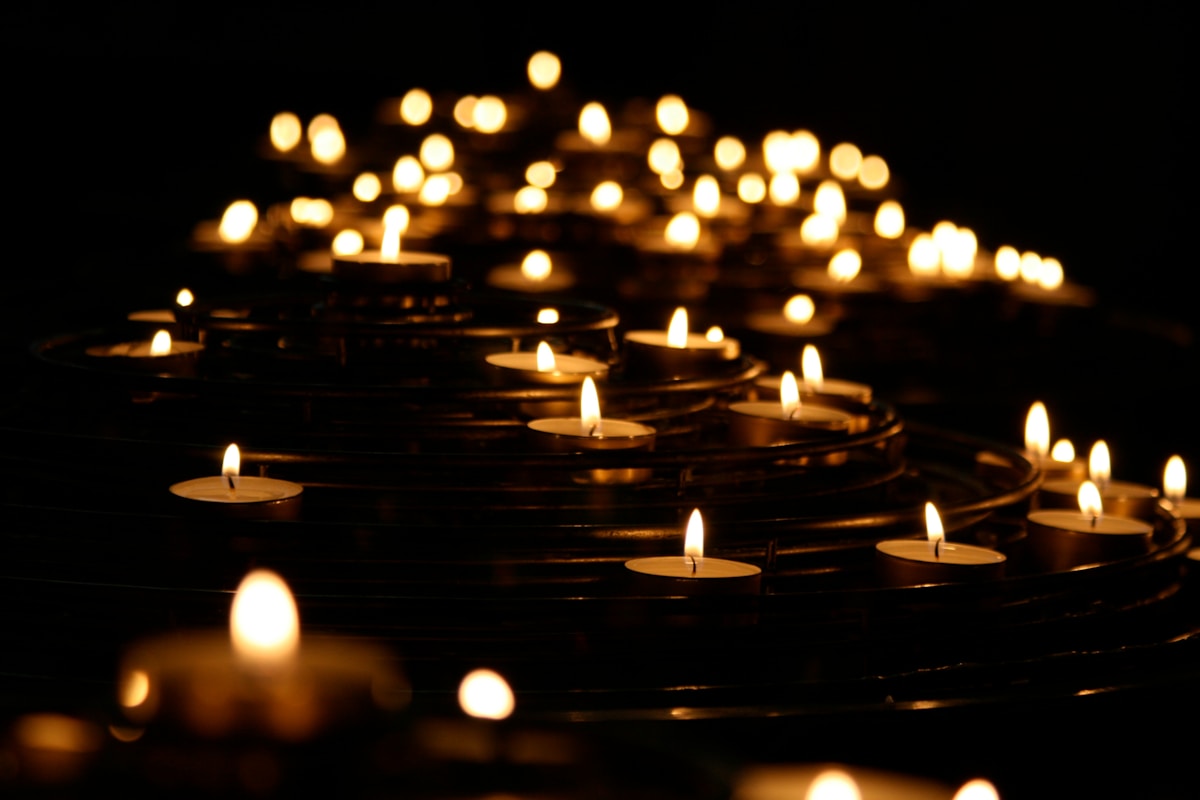
The eternal flame burns at the centre of the sunken circular space. Visitors lay flowers here - you’ll see people bringing carnations, which are the traditional memorial flower. On April 24 (Remembrance Day), the queue to lay flowers stretches for hours. If you visit on or around April 24, come early in the morning or in the evening; crowds peak between 10am and 4pm.
The surrounding park is manicured and quiet. A long wall displays the names of cities and villages where massacres occurred. Walking the length of this wall is part of the visit that many people find most affecting.
The Armenian Genocide Museum-Institute
The museum opened in 1995 and was substantially expanded in 2015 (the centenary of the Genocide). It sits adjacent to the outdoor memorial and is operated by the Armenian Genocide Museum-Institute (AGMI).
The permanent exhibition is organised chronologically:
First section: Late 19th-century history of Armenians in the Ottoman Empire - their communities, culture, and the rising political pressure under Sultan Abdul Hamid II. The Hamidian massacres of 1894–96 are documented here.
Central section: 1915–1923. This is the most difficult part of the museum. It contains survivor testimonies, foreign diplomatic dispatches (including from German and American officials who witnessed and reported the deportations), photographs of the death marches, and physical evidence - shoes, clothing, personal objects. The documentation is extensive and includes the voices of non-Armenian witnesses, which gives the record a cross-cultural credibility.
Later sections: Cover the survivors who reached Syria, Lebanon, France, and the Americas; the founding of the Armenian SSR; international recognition of the Genocide (over 30 countries have now formally recognised it); and ongoing efforts for recognition.
The museum has an audio guide in multiple languages. Take it - the labels alone, while good, don’t capture the full context of individual artefacts.
Etiquette and Practical Notes
Photography: Photography is generally permitted in the outdoor memorial. Inside the museum, check for signs - some sections restrict it out of respect for victim images.
Dress code: There is no formal dress code, but this is a solemn site. Arriving in beachwear or sportswear would be inappropriate.
Flowers: If you wish to lay flowers at the eternal flame, carnations are customary. They’re available from vendors near the memorial entrance. One stem is sufficient.
Children: There’s no formal age restriction. The museum contains distressing material including photographs of violence. Use your own judgement about what’s appropriate for children you’re travelling with.
What to bring: Comfortable shoes for the outdoor memorial — paths are partly gravelled. If you plan to lay flowers, carnations are sold near the entrance (one stem is customary). Bring a bottle of water; there is no café on site. On sunny days, sunscreen is advisable for the exposed outdoor area.
Language: Museum labels are in Armenian, Russian, and English. Staff speak English.
Combined visits: Tsitsernakaberd pairs naturally with the History Museum of Armenia (Republic Square, central Yerevan) if you want historical context before visiting. The museum at Republic Square covers the full sweep of Armenian history from prehistory onward; Tsitsernakaberd focuses specifically on 1915–1923 and its aftermath. For a broader look at what to do in the city, see our things to do in Yerevan guide.
April 24: Remembrance Day
If you’re in Yerevan on April 24, joining the procession to Tsitsernakaberd is one of the most significant experiences available in Armenia. Hundreds of thousands of people - Armenians from the diaspora, the president, and foreign dignitaries - walk from the centre of Yerevan to the memorial to lay flowers. The procession begins around 11am at the Cascade and arrives at the memorial in the early afternoon.
Visiting as an outsider is welcomed. Armenians appreciate that international visitors come to witness and pay respects. You do not need to be Armenian or to have any connection to the Genocide - the act of showing up is understood as solidarity.
Getting There
Taxi or rideshare: The most convenient option. Approximately AMD 1,500–2,500 from central Yerevan as of 2026. Yandex Go and GG (local apps) both work. Ask for Tsitsernakaberd (ծիծեռնակաբերդ) or “the Genocide Memorial” - drivers know it.
Bus: Routes 3 and 67 pass near the memorial. Check the Yerevan transport app for current stop information.
On foot: The walk from central Yerevan takes around 40–50 minutes, partly through parkland along the Hrazdan gorge. Enjoyable in good weather.
What’s Nearby
The Yerevan Cascade is roughly 2.5 km from the memorial — a pleasant downhill walk through parkland if the weather cooperates. The Matenadaran manuscript library, one of the world’s most important repositories of ancient Armenian manuscripts, is around 3.5 km away and makes a natural pairing for a half-day of historically significant sites. Republic Square and the main dining and café strip of Yerevan are a short taxi ride or a 40-minute walk east.
For restaurants and cafés after your visit, see our Yerevan dining guide.
For organised visits that include museum context and a guide, browse Yerevan city tours - many include the memorial as part of a broader historical circuit. Arrange reliable transport with private airport transfers if you are arriving on the same day. Tiqets Armenia lists attraction tickets and guided museum experiences in Yerevan, including historical sites. Klook Armenia offers additional Yerevan activity bookings with instant confirmation. Pick up a local eSIM before arrival to navigate the city without roaming charges. Travel insurance is standard on any Armenia trip and covers medical costs and cancellations. Compare car hire in Armenia if you plan to visit other sites beyond Yerevan during your trip. Search flights to Yerevan to find the best fares for your travel dates.
See Also
- Yerevan Travel Guide - full guide to the capital including Republic Square and the Matenadaran
- Yerevan Neighbourhoods - where to base yourself and what to explore on foot
- Things to Do in Yerevan - other significant sights and experiences in the city
- Where to Eat in Yerevan - restaurants and cafés near the city centre
- First Time in Armenia - planning advice for first visits to the country