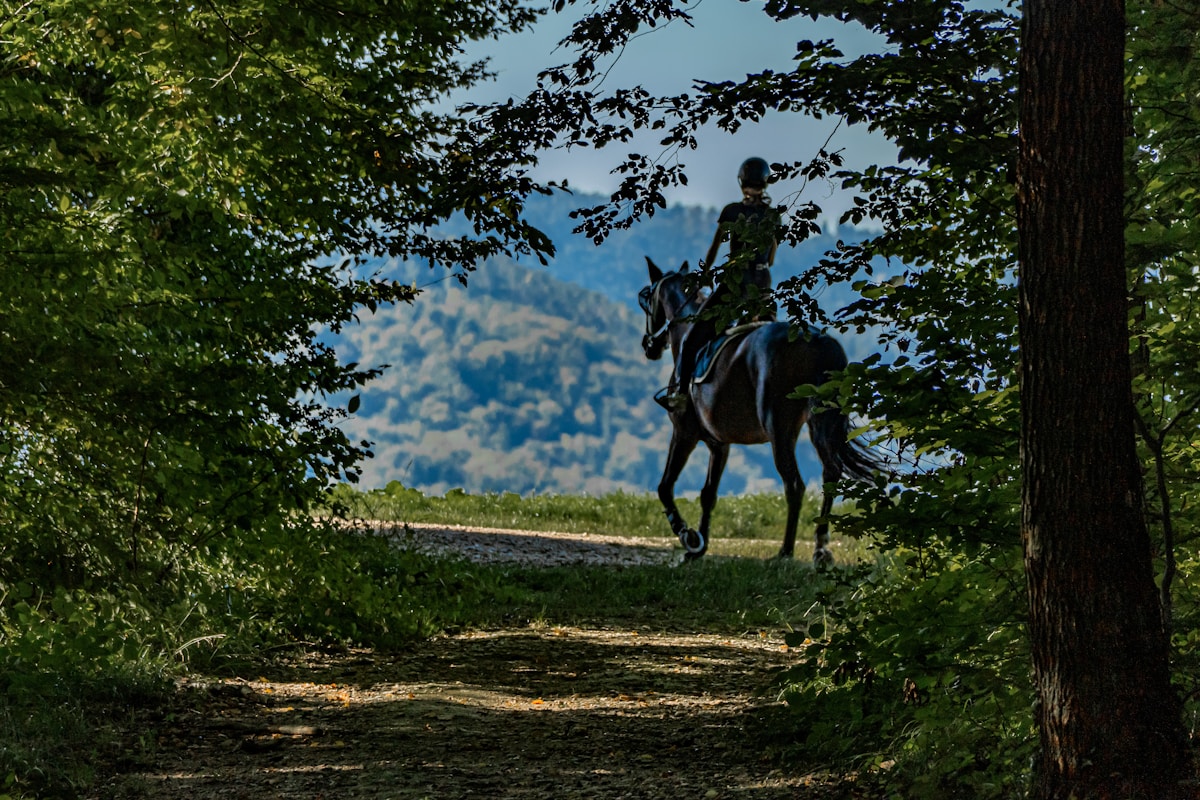
Armenia’s highlands have been horse country for millennia. The Karabakh horse - a now-rare breed known for speed and endurance - was prized across the Caucasus. Modern equestrian tourism in Armenia is modest in scale but growing, and the mountain landscapes available to explore on horseback are exceptional.
Whether you want a two-hour sunset ride through Dilijan’s forests or a multi-day trek across the Geghama highland, Armenia offers more than most visitors expect.
Best Areas for Horse Riding
Dilijan and Tavush Province
The beech and oak forests of Dilijan National Park make for some of the most scenic horse riding in the country. Trails wind between monasteries, along stream valleys, and through canopies that are particularly spectacular in autumn. The town of Dilijan has several small stables and guesthouses with horses, and operators here tend to be smaller and more personal than those near Yerevan.
A half-day ride from Dilijan typically covers 15–20 km, passing through forest and possibly reaching Haghartsin or Goshavank monastery. Full-day rides can extend into more remote areas of the national park.
Getting to Dilijan: About 100 km north of Yerevan - roughly 1.5 hours by road. Direct marshrutkas run from Yerevan’s northern bus stations.
Aragats Foothill Villages
The area around Mount Aragats (Armenia’s highest peak at 4,090m) and the village of Aparan to the north of Yerevan offers a more open, steppe-like landscape for riding. Trails here cross the Kasakh River valley, pass ancient burial mounds (vishaps), and offer views toward the Aragats massif. Less forested than Dilijan but dramatic in its own way.
Operators near Aparan and Talin offer day rides in this region. Some include a stop at a traditional farm for lunch.
Geghama Highland
The volcanic plateau east of Yerevan, between Lake Sevan and the Ararat valley, is one of the most remote and wild landscapes in Armenia. Multi-day horse trekking routes cross this highland, passing crater lakes, ancient petroglyphs, and largely uninhabited territory. This is the most demanding riding option in the country and requires booking with a specialist operator who provides pack horses or a support vehicle.
Near Yerevan: Day Rides
Several stables within 30–40 minutes of central Yerevan offer beginner-friendly rides - typically in the valleys north of the city (around Aparan or the Yezidi village of Alagyaz) or in the Kotayk foothills. These are good for travellers who want a taste of horse riding without committing to a long journey. Rides last one to three hours and are suitable for all experience levels.
Operators
Caucasus Riding is among the most professional operators in the country, with experienced guides and well-maintained horses. They offer day rides and multi-day treks in various regions. Prices for multi-day treks run approximately USD 90–130 per person per day including guide, horses, meals, and accommodation (guesthouses or camping as appropriate).
Armenia Expats and Adventure Armenia (separate organisations) both list horse riding as part of broader adventure tour portfolios. Check their current offerings and reviews before booking.
Local guesthouses in Dilijan: Many family guesthouses in and around Dilijan keep horses or have connections to local stable owners. Informal arrangements can be cheaper than booking through an operator, though the setup is less structured. Ask at your accommodation.
What to Expect on a Guided Ride
Most rides begin with a brief safety briefing, a horse fitting session (adjusting stirrups and helmet), and a few minutes of walking to get comfortable. Guides lead the ride at a pace suitable for the group - complete beginners typically stay at a walk with occasional guided trotting on flat sections.
You’ll pause at viewpoints, archaeological sites, or monasteries depending on the route. Water and snacks are usually provided; bring additional snacks if you’re prone to energy dips. The guide will handle the horses at rest stops.
Multi-day treks involve sleeping in village guesthouses or tents (depending on the operator and route). Meals are typically home-cooked Armenian food - lavash, vegetables, grilled meat, and plenty of herbs. The pace is leisurely - 4 to 6 hours in the saddle per day with plenty of stops.
Practical Notes
What to wear: Long trousers are essential (bare legs on a saddle for hours is uncomfortable). Closed-toe shoes or boots with a heel (to prevent the foot sliding through the stirrup) are required. Bring a hat for sun protection and a windproof layer even in summer.
Helmets: Quality operators provide riding helmets. If yours does not, ask specifically - and consider whether to proceed without.
Saddle soreness: Even experienced riders find longer days in a mountain saddle fatiguing. Build up gradually on multi-day treks. Padded cycling shorts worn under regular trousers can help.
Insurance: Standard travel insurance often does not cover equestrian activities. Check your policy and consider adding adventure sports cover before booking a multi-day trek.
Booking lead time: Day rides near Yerevan or Dilijan can often be booked one or two days ahead. Multi-day treks require more planning - allow at least two to four weeks for correspondence and logistics.
Many operators offering multi-day rides are listed under Yerevan-based activity tours. If your ride involves canyon or high-altitude terrain, travel insurance with activity cover is strongly recommended — confirm the policy covers equestrian activities specifically. A local eSIM is worth having on multi-day treks where roaming signal is unreliable and offline maps are essential for navigation through remote valleys. A hire car is the most practical way to reach stables in Dilijan, Aparan, and the Geghama highland on your own schedule. Search flights to Armenia to time your visit for the May–October riding season.
See Also
- Dilijan - the main base for forest horse riding in northern Armenia
- Hiking in Armenia - on-foot alternatives covering the same landscapes
- Armenia Road Trip - routes that combine highland landscapes with monastery visits
- Travel Insurance for Armenia - check equestrian activity cover before booking a multi-day trek
- Best Time to Visit Armenia - seasonal guide for planning highland rides