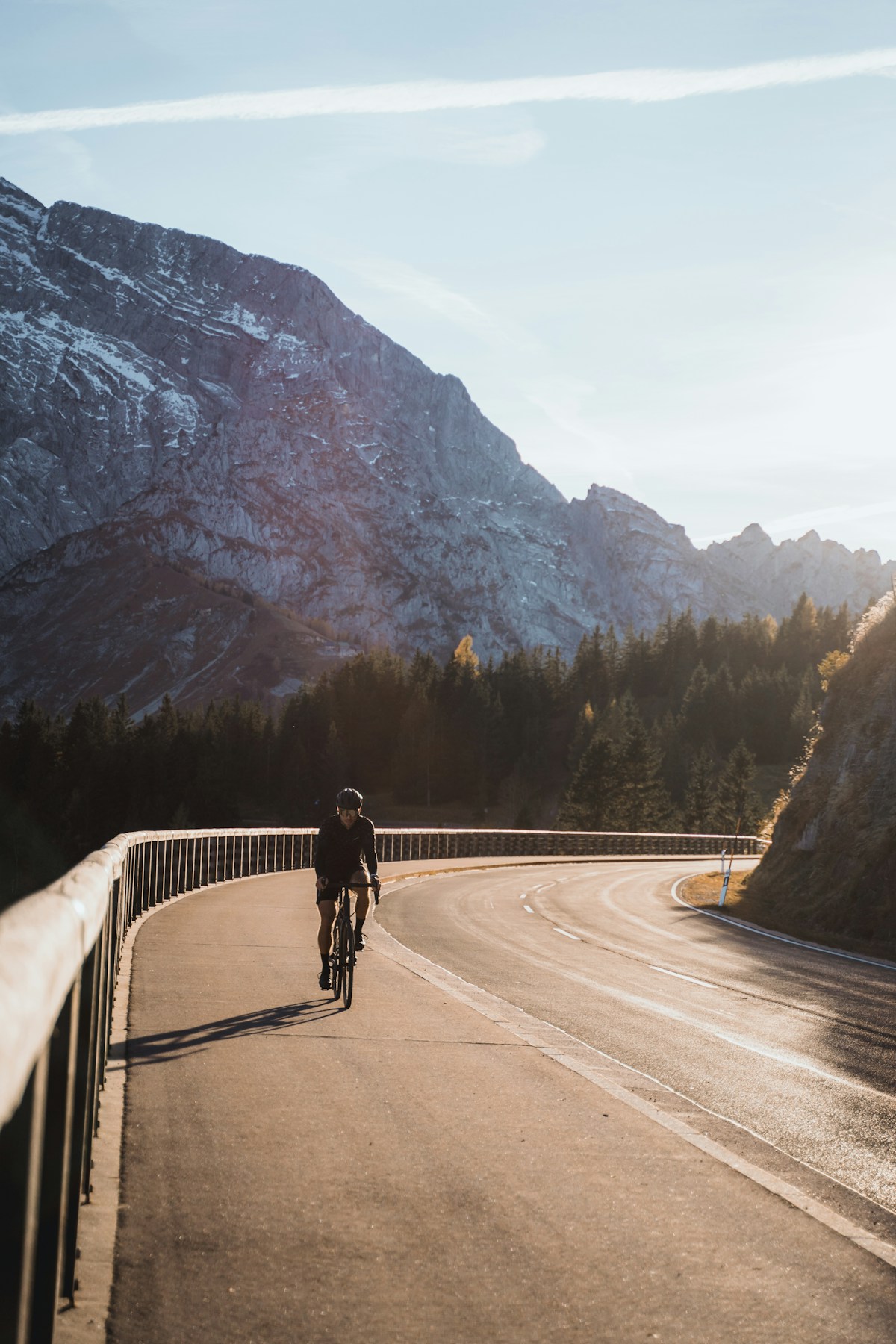
Armenia is not yet a mainstream cycling destination, but it has earned genuine respect in adventure cycling circles. The landscape - high-altitude plateaus, dramatic gorges, ancient monasteries connected by secondary roads - rewards a slow pace. Motorised transport misses too much. The roads are rough in places, the drivers are unpredictable, and the hills are real. That’s exactly what self-propelled travellers come for. For an overview of getting around the country, see our Armenia transport guide.
Cycling Infrastructure and Getting Around
Yerevan is not a particularly cycle-friendly city by design, but the situation is improving. A bike-sharing scheme (Yerevan Bike) operates with docking stations in some central areas. For exploring the city, it works for short hops; for anything more ambitious, renting a proper touring or mountain bike is advisable.
Outside the city, the road network for cycling is best on secondary routes - the small roads connecting villages, monasteries, and valleys. The main M-roads carry trucks and buses at speed and have no cycling infrastructure. A good offline map (Maps.me has good coverage of Armenian backroads) and a flexible itinerary are essential.
Key Cycling Routes
Lake Sevan Loop (230 km, 3–4 days)
The full circumnavigation of Lake Sevan is the most popular multi-day cycling route in Armenia. The lake sits at 1,900m altitude, meaning you’re already in the highlands from day one - the air is cool even in midsummer and the light is extraordinary.
Route overview: Most cyclists start and end in Sevan town on the northern shore. The northern shore road (A-1 highway) is the busiest and the least pleasant for cycling - traffic from Yerevan to Tbilisi passes this way. Cross to the southern shore early and take the quieter roads east and south.
Key highlights: Sevanavank Monastery on the peninsula (viewable from the road or via a short side trip); the village of Martuni on the eastern shore (good overnight stop); the southern shore wetlands and the road climbing to Vardenis on the east. The return via the M10 highway to Yerevan adds a final descent.
Difficulty: Moderate. Some rolling hills and one significant climb on the eastern loop. Total elevation gain approximately 1,800–2,500m over four days depending on route variations.
Overnight: Guesthouses in Sevan town, Martuni, and Vardenis. Book ahead in summer. Expect to pay approximately AMD 8,000–15,000 per room per night as of 2026.
Yerevan to Garni and Geghard (60 km round trip, 1 day)
A classic half-day or full-day ride from the capital, following the Azat River valley southeast. The road from Yerevan climbs gradually through the village of Garni (where the ancient Hellenistic temple sits), then continues to Geghard Monastery (another 8 km). The return is largely downhill.
Difficulty: Moderate. Total climb of approximately 700m. The road surface is generally good. Traffic is moderate on weekends when tourists are heading to the same sites.
Highlight: The descent back into Yerevan via the Azat gorge, with views of the basalt columns at the gorge entrance.
Debed Canyon (Lori Province, 2–3 days)
The Debed River canyon in Lori province (northern Armenia) is one of the country’s most dramatic landscapes and one of the best multi-day cycling routes for those who want something more adventurous than the Lake Sevan loop.
The road through the canyon passes Haghpat and Sanahin monasteries (both UNESCO World Heritage Sites), through the Soviet-era mining town of Alaverdi, and continues toward the Georgian border. The road surface is mixed - paved but potholed in sections. Traffic is light outside of the town areas.
Getting there from Yerevan: Train or marshrutka to Vanadzor (3–4 hours), then cycle from there into the canyon. Alternatively, take a marshrutka directly to Alaverdi and begin the ride from the canyon floor.
Difficulty: Moderate to challenging. Significant climbs on the roads above the canyon. Fully loaded touring cyclists should allow for slow going on uphill sections.
Dilijan National Park Trails
Dilijan’s forest trails are primarily hiking paths, but some are suitable for mountain bikes - particularly the wider forestry tracks and the trails between villages. The park administration has been developing recreational infrastructure, and some dedicated MTB trails may be available by the time you visit; check with the Dilijan Visitor Centre for current trail status.
Day rides from Dilijan town (accessible in 1.5 hours from Yerevan by marshrutka) can cover 30–50 km through forest with monastery stops at Haghartsin and Goshavank.
Bike Rental in Yerevan
Bike rental shops are concentrated in the Cascade area and along Northern Avenue. A basic city/hybrid bike costs approximately AMD 3,000–6,000 per day (USD 8–15 as of 2026). For multi-day touring or mountain bikes with panniers, contact tour operators who can arrange higher-quality equipment.
Tour operators: Envoy Tours and Armenia Hiking both have connections with bike rental suppliers and can arrange quality bikes for multi-day trips. Some operators also rent out camping equipment and can arrange a basic support system for longer tours.
Cycling Tour Operators
Several operators offer guided or supported cycling trips in Armenia:
Cycling Armenia: A specialist operator focused specifically on bicycle tourism. They offer guided group tours following the Silk Road route through Armenia and supported self-guided trips with luggage transfer between accommodation points.
Envoy Tours: Runs occasional cycling itineraries, particularly the Lake Sevan loop. Check their current calendar - tours run in May–June and September–October.
Independent options: Armenia is genuinely feasible for independent cycle touring. The roads, while rough, are navigable. Locals are helpful. Guesthouses are available throughout the countryside. The main challenge is the language barrier for route-finding - offline maps and a few words of Armenian (for asking directions in villages) go a long way.
What to Bring
- Helmet: Essential. Non-negotiable on Armenian roads.
- Repair kit: Puncture repair, spare tube, multi-tool, tyre levers. Road surfaces cause more punctures than Western Europe.
- Water: Carry at least two litres when leaving urban areas. Villages often have springs but not always.
- Sun protection: The high-altitude light at Lake Sevan and the highlands is intense. Apply before exposed sections.
- Reflective gear: For any sections near dusk or in tunnels - there are several road tunnels in Armenia, some unlit.
- Cash: Card acceptance in rural guesthouses and shops is inconsistent. Carry Armenian dram. See our currency guide for ATM locations and budgeting tips.
For guided cycling experiences, browse guided tours from Yerevan - some operators provide bikes and support vehicles for multi-day routes. Independent cyclists can compare car hire options to shuttle gear between trailheads. Check that your travel insurance covers cycling — road surfaces in Armenia are rougher than Western Europe and falls on mountain descents are not uncommon. A local eSIM is especially useful for offline map access and navigation on remote roads where roaming can drop out. Search flights to Armenia to time your arrival for May–June or September–October — the best cycling windows. Search flights to Armenia to time your arrival for May–June or September–October — the best cycling windows.
See Also
- Hiking in Armenia - on-foot alternatives for many of the same routes
- Lake Sevan - the destination for the Lake Sevan cycling loop
- Dilijan - the forested base for Dilijan National Park rides