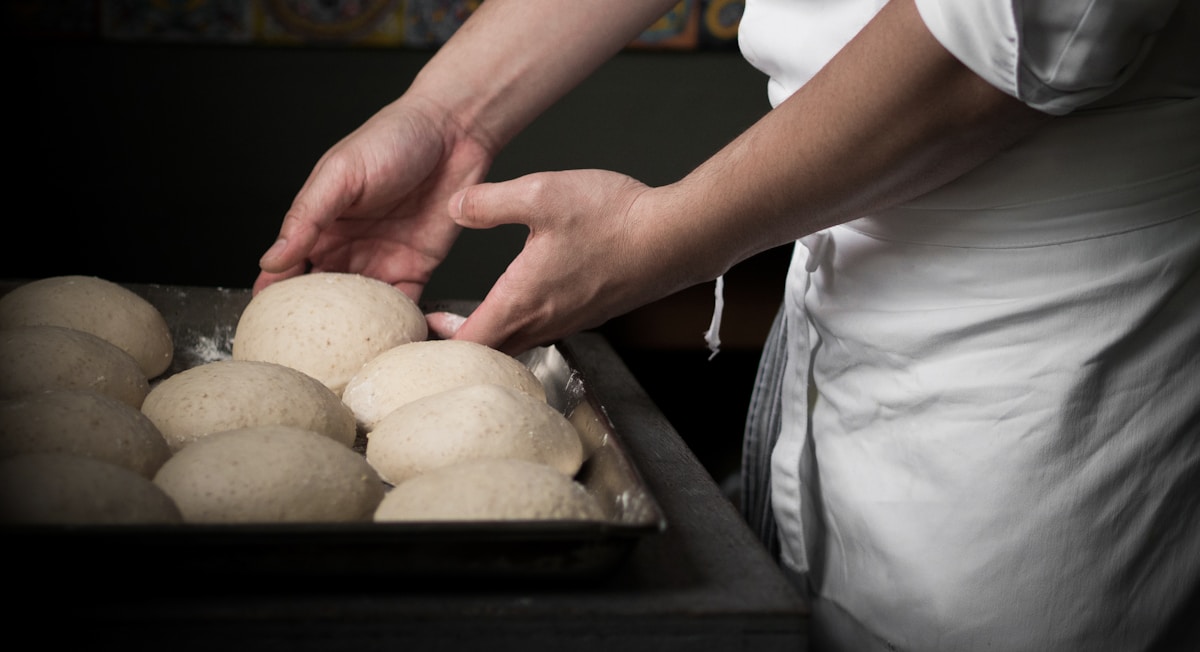
Armenian cooking is built around a handful of iconic techniques that have barely changed in centuries: baking lavash on the walls of a clay tonir oven, slow-cooking lamb in underground pits, wrapping rice and herbs in vine leaves. A cooking class in Yerevan is one of the most direct ways to understand both the food and the culture - a tangible counterpart to reading our Armenian food guide.
Classes are informal by European standards - usually held in home kitchens or small dedicated spaces rather than professional teaching facilities. That’s part of what makes them worth doing.
What You’ll Cook
Lavash
The flatbread that UNESCO recognised as an Intangible Cultural Heritage of Humanity in 2014. Lavash baking is technically demanding - the dough is stretched over a cushion and slapped onto the curved inner wall of a tonir (a deep clay oven, similar to a tandoor). It bakes in about a minute at intense heat. Not many visitors manage a perfect result on the first attempt, which is what makes the lesson memorable.
Operators that have their own tonir (rather than a gas oven) offer a notably more authentic experience. Check before booking.
Dolma
Grape leaves stuffed with a mixture of minced meat, rice, onion, and herbs including tarragon and mint - seasoned with salt, pepper, and sometimes cinnamon. Dolma are labour-intensive to assemble and are usually made collectively, with everyone around the table rolling. The cooking class context makes this a social experience.
Summer classes sometimes use fresh vine leaves picked the same morning. Winter and spring classes use leaves that have been salted and preserved.
Khorovats
Armenian barbecue - the national obsession. Pork, lamb, or beef marinated in onion, salt, and pepper, then cooked over open coals. Khorovats classes usually involve lighting the grill, preparing the skewers, and learning the timing - it’s less technique-heavy than lavash or dolma, but no less enjoyable.
Some operators run outdoor khorovats sessions in the warmer months (May–September).
Gata
A soft, buttery pastry filled with a mixture of flour, butter, and sugar - sometimes walnuts. Gata is made for celebrations and often appears at Armenian tables alongside coffee. A dessert-focused session makes a lighter alternative if you’ve already done a full cooking class elsewhere.
Cooking Class Operators in Yerevan
The Cooking House Armenia
One of the most structured operators in the city. Classes run three to four hours and cover lavash, dolma, and a mezze spread. Groups are small (usually four to eight people). Sessions include a welcome drink and end with eating everything cooked. Cost: approximately AMD 25,000–30,000 per person as of 2026. Book via their website or GetYourGuide.
Lavash Restaurant (Cooking Experience)
The restaurant Lavash on Tumanyan Street runs occasional cooking sessions in addition to its regular restaurant service. These focus specifically on lavash baking and are shorter (around 90 minutes). Worth checking their schedule if you’re short on time. Cost: approximately AMD 15,000–20,000 per person as of 2026.
Home Kitchen Classes (Local Hosts)
Several Yerevan locals offer private kitchen sessions bookable through Airbnb Experiences or via direct recommendation from hostels. These are the most informal option - you cook in someone’s apartment, eat with their family, and often get taken shopping at the GUM market beforehand. Quality varies but the experience tends to be more personal. Cost: approximately AMD 18,000–28,000 per person as of 2026.
Envoy Tours
Envoy Hostel’s tour arm runs a half-day market and cooking combination: morning at the GUM market picking produce, then a cooking session back at a kitchen space. This format gives the best context for the ingredients. Cost: approximately AMD 28,000–35,000 per person as of 2026.
The GUM Market Visit
If your cooking class includes a market tour, you’ll almost certainly visit the GUM market (Central Market) on Mashtots Avenue. This is a covered hall selling fresh vegetables, herbs, dried fruit, spices, dairy, and an extensive preserved foods section - pickled vegetables, churchkhela (walnut-and-grape-juice candies), dried figs, apricots, and a wall of fresh and dried herbs.
The market is best in the morning (open from approximately 8am). Even without a cooking class, it’s worth half an hour of exploration.
Practical Notes
Group size: Most classes work best with two to six people. Solo travellers can join open group sessions; couples and small groups can book private sessions for a slightly higher per-person rate.
Duration: Allow three to four hours for a comprehensive class. Shorter sessions (90 minutes to two hours) exist but tend to focus on just one dish.
Location: Most operators are within walking distance of the centre - Cascade area, Tumanyan Street corridor, or the Northern Avenue area. A taxi from anywhere in central Yerevan should cost under AMD 2,000 (under USD 5).
Language: All reputable cooking class operators in Yerevan offer instruction in English. Some also offer Russian.
What to wear: Nothing specific is required, though comfortable clothes are recommended. Aprons are provided.
Book a spot through Yerevan tours and activities - most cooking classes include a market visit and hands-on preparation. For booking food and cooking experiences with instant confirmation, Klook Armenia lists several options in Yerevan. Pick up a local eSIM for Armenia before arrival so you can navigate the city and stay in contact with operators without relying on café Wi-Fi. Standard travel insurance for Armenia covers trip cancellations and medical costs — worth having before any trip.
See Also
- Armenian Food Guide - dishes to look for before and after your class
- Eating Out in Yerevan - restaurant recommendations in the capital
- Things to Do in Yerevan - more activity ideas for your time in the city