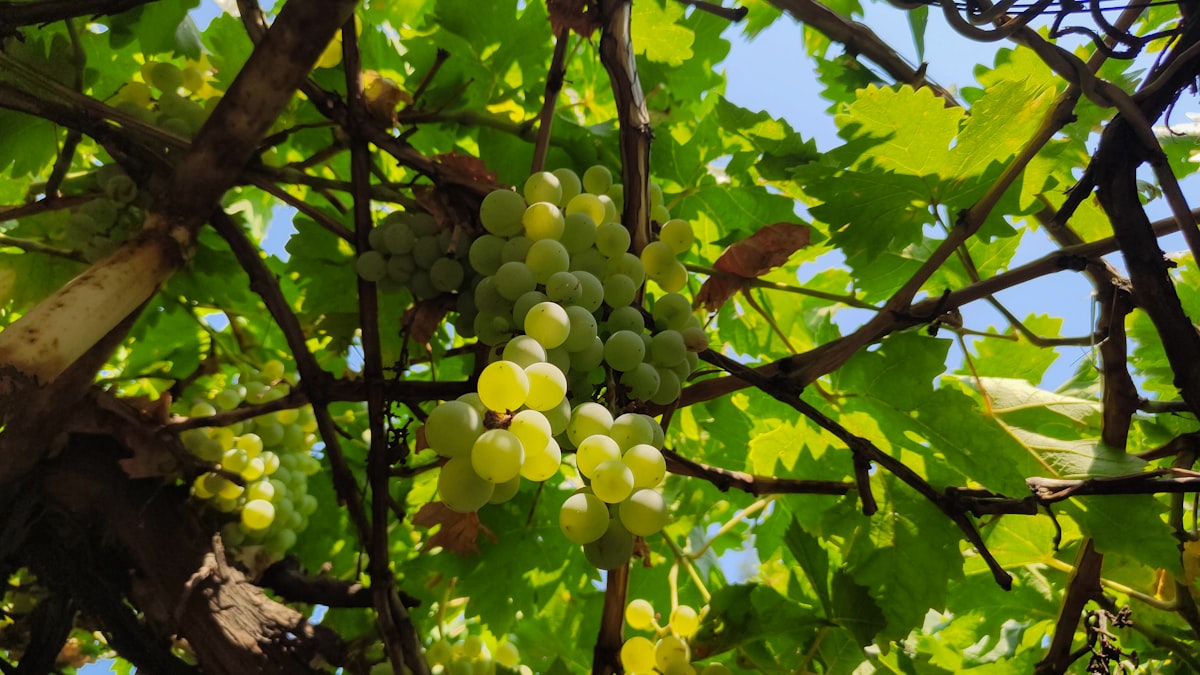
Vayots Dzor is the part of Armenia that earns the most knowing nods from wine enthusiasts — and the most surprise from travellers who stumble into it without expectations. The province runs south from Yerevan through a series of red-rock gorges carved by the Arpa River, at elevations between 900 and 2,000 metres. The combination of altitude, diurnal temperature swing, volcanic soils, and the indigenous Areni Noir grape produces wines that have, quietly, started winning international attention.
The wine is the headline, but it is not the whole story. Noravank Monastery is set inside a limestone canyon so narrow and dramatic that the first glimpse stops most visitors in their tracks. The Areni-1 cave holds the remains of the world’s oldest known winery. Jermuk, the spa town at the northern end of the province, has a Soviet-era mineral water legacy and a waterfall that drops 72 metres into the Arpa gorge. And the landscape throughout — ochre cliffs, walnut groves, apricot orchards, and a river valley that turns rust-red in autumn — is among the most striking in the South Caucasus.
Vayots Dzor is manageable as a day trip from Yerevan but deserves at least one night, ideally two. A single overnight in Areni gets you an early-morning Noravank and a proper evening winery session. Two nights lets you add Jermuk without rushing.
Areni Village: The Heart of Wine Country
The village of Areni, approximately 115 km from Yerevan, is the centre of gravity for wine tourism in the province. It is a small place — the stone houses cluster beside the Arpa River where it widens before entering the gorge — but it punches above its weight in terms of what you can do within a five-kilometre radius.
Areni-1 Cave sits on the edge of the village and is the site where archaeologists in 2011 uncovered a winemaking facility dating to approximately 4100 BC: a clay fermentation vat, a grape press, storage jars, and grape seeds identified as early Vitis vinifera. It is the oldest known winery in the world, pre-dating Egyptian wine production by more than a millennium. Entry costs approximately AMD 1,000 (under USD 3 as of 2026); guided tours available. The site is partially excavated and open to visitors.
Areni Noir grape production dominates the valley. The village has several family wineries where tastings are informal — a knock on a courtyard door, a wooden table, homemade wine sold by the bottle or litre. The Areni Wine Factory is the most visitor-ready, with tasting and cellar tours running throughout the day for approximately AMD 4,000–6,000 per person. Hin Areni (Old Areni) is family-run and focuses on small-batch natural styles.
Zorah Wines, located about 10 km away near Rind village at 1,400 metres elevation, is the most internationally acclaimed producer in Armenia. Their Karasi Areni Noir, aged in clay amphora (karas), has attracted serious attention from wine press across Europe. Visits are by appointment only — book weeks ahead during September–October harvest. A tasting runs approximately AMD 12,000–20,000 per person.
Areni Wine Festival takes place in early October each year and draws large crowds to the village for open tastings, folk music, and harvest celebrations. If you can time a visit around it, this is the most atmospheric version of Areni wine country.
For full winery details, tasting costs, and transport options, see our Armenia wine tour guide. For where to taste in Yerevan before or after the trip, see wine tasting in Armenia.
Noravank Monastery
Noravank is the single most visually arresting site in Vayots Dzor. The monastery complex sits at the end of a narrow canyon — the Amaghu gorge — where vertical red-limestone cliffs rise 200 metres on either side of the road. The scale of the rock versus the delicacy of the 13th-century carved stonework creates an effect that is genuinely difficult to photograph satisfactorily.
The main church, Surb Astvatsatsin, has an upper chapel reached by a steep external stone staircase with no railing — genuinely vertiginous, but the carved tympanum at the top is worth it. Entry to the complex is free. The canyon road that leads to it is part of the experience: a 10-minute drive through towering walls of ochre and rose-coloured rock.
Noravank is 7–8 km by road from Areni village, making it a natural pairing: wineries in the afternoon, monastery at golden hour, dinner in Areni. Most guided wine tours from Yerevan include Noravank as a stop. Independent visitors with a car can easily do both.
Jermuk
Jermuk is the other major draw in Vayots Dzor, located approximately 50 km north of Areni at 2,000 metres elevation. The town became known under the Soviet period for its mineral spring water — still bottled commercially as Jermuk still and sparkling — and its sanatorium complex.
The headline attraction is Jermuk Waterfall, where the Arpa River plunges 72 metres over a basalt cliff into the gorge below. The falls are a 10-minute walk from the town centre. The gorge path beyond extends for several kilometres and is one of the better riverside walks in southern Armenia.
The mineral spring pavilion in the centre of town offers free tastings of the famously sulphurous hot springs — the taste is acquired but the ritual is authentic. A handful of spa hotels offer mineral baths and treatment packages if you want to turn Jermuk into a rest stop between hiking days.
Jermuk is 2.5–3 hours from Yerevan by car via Yeghegnadzor. It works as an overnight before or after the Areni wine circuit.
Yeghegnadzor and the Arpa River Valley
Yeghegnadzor, the provincial capital, sits roughly midway between Areni and Jermuk. It is a functional transit point rather than a destination in its own right — but its weekly market (Sundays) draws produce from across the province and is worth a look if timing allows. The valley between Yeghegnadzor and Jermuk is less visited than the Areni gorge and has its own rewards: walnut forest, remote villages, and the occasional roadside shrine decorated with coloured ribbons.
The Arpa River runs the length of the province, feeding the Kechut and Spandaryan reservoirs before crossing into Nakhchivan. The gorge sections — particularly the approach to Noravank and the canyon below Jermuk — are the scenic highlights. Early autumn, when the walnut groves turn yellow against the ochre cliffs, is the best season for the valley drive.
Getting to Vayots Dzor
By car is the most practical option. The M2 highway from Yerevan to Areni is in good condition; journey time approximately 1 hour 45 minutes. Car hire in Armenia allows you to stop at roadside stalls, detour to smaller wineries, and control your pace — particularly important if you want to visit Zorah Wines or reach Jermuk. Fill up before Yeghegnadzor; petrol stations thin out north of town.
By marshrutka, shared minibuses run from Yerevan’s Kilikia Bus Station to Yeghegnadzor approximately hourly; fare around AMD 1,500 (roughly USD 4). From Yeghegnadzor, local taxis cover Areni (15 km) and Noravank. For Jermuk, local taxis or hitching from the highway junction.
Guided tours from Yerevan are the most common approach for first-time visitors. Standard day tours combine Khor Virap, Areni, and Noravank in 8–9 hours; longer options add Tatev or Jermuk. Browse Areni wine tours from Yerevan for confirmed departure times and prices — most include transport, a guide, and winery entry fees.
Where to Stay
Accommodation in Vayots Dzor is almost entirely family-run guesthouses and small B&Bs. Standards are warm, prices are low, and wine tastings are typically on offer directly from the property or nearby.
Areni village has the densest concentration of options and is the best base for wine and monastery visits. Several guesthouses include working wine cellars on site. Book ahead in September–October — harvest season fills rooms fast.
Yeghegnadzor has a broader range of mid-range hotels and is a practical base for those wanting to cover both Noravank and Jermuk in the same trip.
Jermuk has a handful of spa hotels with mineral bath facilities; smaller guesthouses are significantly cheaper.
See our dedicated where to stay in Areni guide for guesthouse-by-guesthouse breakdown. For the full Vayots Dzor region — Areni, Yeghegnadzor, Jermuk, and surrounding villages — hotels and guesthouses in Vayots Dzor covers availability and prices across the province.
Practical Notes
Currency: AMD. Carry cash; most guesthouses and family wineries do not accept card. ATMs in Yeghegnadzor and Jermuk; none reliably in Areni.
Language: Russian widely understood. English spoken at larger wineries and tour-oriented guesthouses. A few words of Armenian — barev (hello), shnorhakalutyun (thank you) — are always welcomed.
Navigation: Google Maps offline works reliably on the M2 and in Yeghegnadzor. Back roads near Rind village (Zorah Wines) and higher Jermuk trails are better on Maps.me.
Mobile coverage: Adequate on the main highway; patchy in the deep gorge sections near Noravank.
What to buy: Wine at the cellar door is cheaper than in Yerevan. Areni-region honeys, dried mulberries, and walnut pastries are worth carrying home. Roadside stalls appear from September onwards.