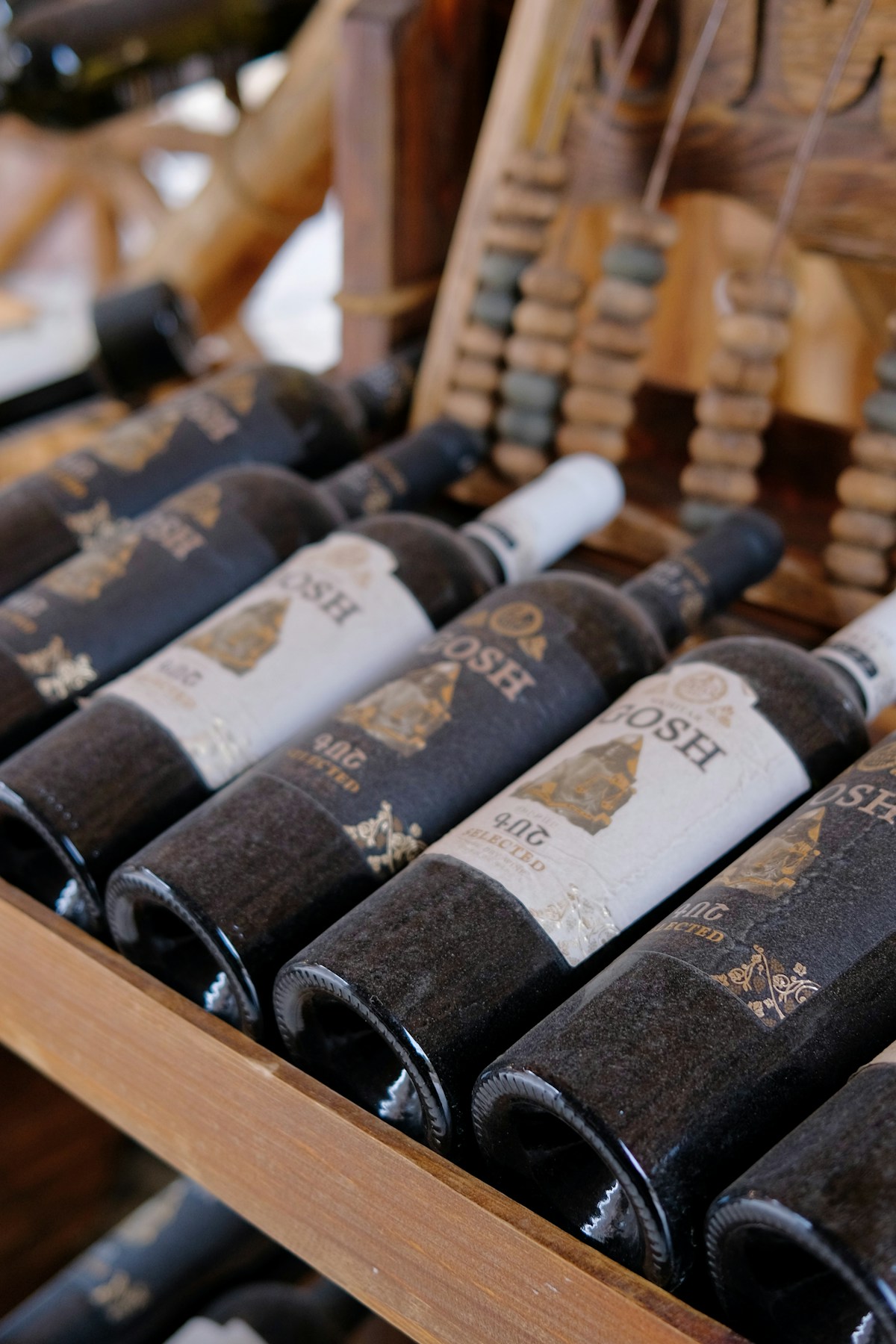
Armenia is one of the oldest wine-producing regions on the planet. Archaeologists excavating the Areni-1 cave in 2011 uncovered a winemaking facility dating to approximately 4100 BC - making the Areni valley the cradle of viniculture as we understand it. Modern Armenian wine has only recently caught international attention, but it has arrived with some force: producers like Zorah, Karas, and Voskevaz are now winning medals at blind tastings against French and Italian rivals. For an organised winery day trip from Yerevan, see our Armenia wine tour guide.
This guide covers where to taste, which estates to visit, how to get there, and what a day of wine touring in Armenia actually looks like.
The Areni Valley: Where It All Began
The village of Areni sits in Vayots Dzor province, about 120 km south of Yerevan along the M2 highway. The drive takes roughly 90 minutes by car. The valley is dramatic: red-tinged cliffs, the gorge of the Arpa River, and monastery ruins dotting the hillsides. It feels nothing like the manicured estates of Bordeaux - and that’s part of the appeal.
Areni-1 Cave is an essential stop even if you have no interest in wine. The 6,000-year-old winemaking complex - complete with fermentation vats, clay storage vessels, and a wine press - is partially excavated and open to the public. Entrance costs approximately AMD 1,000 (under USD 3 as of 2026). The site is signposted from the village.
The village itself has several small family wineries where you can taste and buy directly. These are informal by any standard - a knock on the door, a wooden table, a few glasses, and homemade wine sold by the litre. Quality varies but prices are extremely low. Think of it as a farm-shop experience rather than a structured tasting.
Estate Wineries Worth Visiting
Zorah Wines
Zorah is the most acclaimed Armenian producer internationally, founded by Italian-Armenian businessman Zorik Gharibian. The estate is in the Rind village area of Vayots Dzor, at around 1,400 metres elevation. Their flagship Karasi Areni Noir is aged in clay amphora (karas) rather than oak barrels, which produces a wine of unusual purity and terroir expression.
Visits are by appointment only. A guided tasting with three or four wines runs approximately AMD 10,000–15,000 per person (around USD 25–38 as of 2026). Contact them directly via their website to book. The estate is not on a standard tour route - a private driver or rental car is the most practical option.
Karas Wines
Karas (Tierras de Armenia) is the largest premium producer in the country, with vineyards near Gyumri in the Shirak region. The winemaking team is partly Spanish, and the results are more internationally styled than Zorah - Rhône varieties, Cabernet, and Viognier alongside native grapes. Their winery visitor centre offers structured tastings starting at around AMD 5,000 per person (about USD 13 as of 2026). They are more tour-operator-friendly and can accommodate groups.
Voskevaz Winery
Located in the Aragatsotn region northwest of Yerevan (around 40 minutes’ drive), Voskevaz is one of the easiest upmarket wineries to reach from the capital. They produce wines from both indigenous and international varieties. A tasting of five wines with cheese and fruit pairing costs approximately AMD 8,000–12,000 per person (USD 20–30 as of 2026). Book by phone or email.
Hin Areni
A smaller, family-run producer right in Areni village. The focus is entirely on Areni Noir in various styles - fresh, aged, and semi-sweet. Tastings are informal and prices modest. A great option if you want an honest, unfussy session with the people who grew the grapes.
Wine Tours from Yerevan
If you don’t want to navigate independently, several operators run organised wine day trips from Yerevan:
Ayas Travel and Envoy Hostel Tours both operate full-day tours to the Areni region (approximately AMD 20,000–25,000 per person including transport, lunch, and tastings as of 2026). These typically include a stop at Noravank Monastery, which makes the day more rounded for non-wine specialists.
Armenia Wine (the country’s largest producer by volume) runs tours of their production facility on the outskirts of Yerevan. This is more of an industrial overview than a boutique experience, but the price is low and it’s interesting if you want to understand scale.
GetYourGuide and Viator list several curated Armenian wine tours departing from Yerevan. Prices on these platforms tend to run slightly higher than booking direct, but the logistics are handled for you.
What a Wine Tasting Day Looks Like
A typical day tour from Yerevan departs around 9–10am. The road south passes through the Azat valley, with stops possible at Garni Temple and Geghard Monastery before the road continues toward Vayots Dzor. By lunchtime you’re in Areni, tasting wine with a local family and eating lavash, cheese, and herb salad.
The afternoon usually involves a visit to a larger estate (Zorah or Hin Areni), followed by a stop at Noravank Monastery (built into a narrow gorge between ochre cliffs - genuinely one of the most dramatic sites in Armenia) before the return drive. Most tours arrive back in Yerevan by 7–8pm.
Practical Notes
Buying wine to take home: Armenian wine is available at Yerevan supermarkets (SAS and Yerevan City both stock the main producers), but buying at the winery is cheaper and you can sometimes get vintages not available in stores. Check airline hand luggage rules if flying.
Driving yourself: The M2 highway to Areni is in good condition. A GPS app with offline maps (Maps.me or Google Maps offline) is sufficient for navigation. Petrol stations are plentiful on the route.
Language: English is spoken at the larger estates. At family wineries in Areni village, a few words of Armenian or Russian are helpful - though gesture and goodwill cover most situations.
Alcohol content: Armenian wines tend to run between 13–14% ABV. Pace yourself if you’re visiting multiple producers, especially in summer heat.
For the full Areni winery experience with transport included, browse Areni wine country tours from Yerevan. Independent visitors combining wine country with Noravank can compare car hire - the route takes around two hours each way from Yerevan. For booking wine experiences and tastings with instant confirmation, Klook Armenia lists food and activity options. A local eSIM is useful for navigation on the M2 highway and in Vayots Dzor where roaming can drop. Travel insurance is standard for any Armenia trip — covers medical costs and trip disruptions.
See Also
- Armenia Wine Tour Guide - organised tour options and the Vayots Dzor region in depth
- Noravank - the canyon monastery that pairs naturally with a winery visit
- Rock Climbing at Noravank - for those who want to combine wine and adventure in the same valley