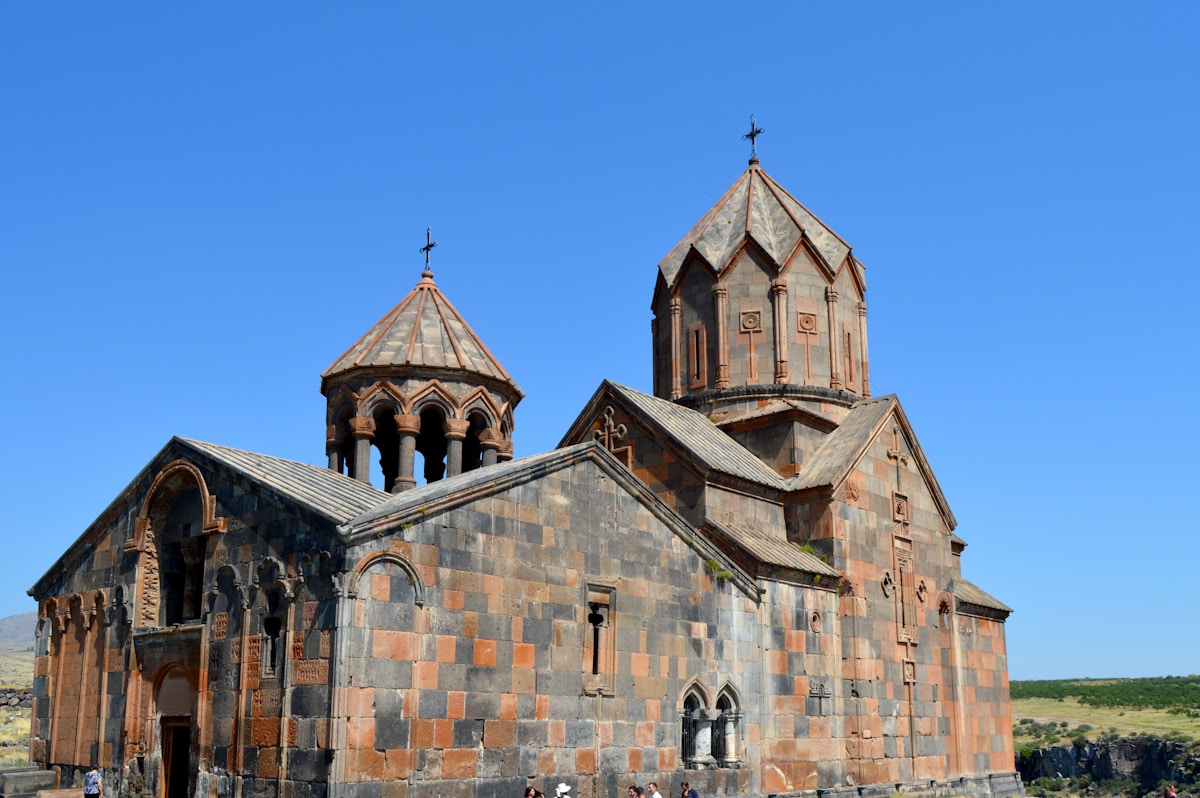
Armenia’s cultural calendar is shaped by its unique history, its ancient Christian tradition, and by a national identity forged through centuries of survival. Three events stand apart from the rest: the Vardavar water festival in midsummer, the Armenian Apostolic Christmas on January 6, and the April 24 commemoration of the 1915 Genocide. Each is distinct in character - one is joyful and chaotic, one is spiritual and quiet, one is solemn and deeply personal. Understanding all three helps you decide when to visit and what to expect when you arrive.
Vardavar: Armenia’s Summer Water Festival
When: 98 days after Easter - typically mid-to-late July (July 12 in 2026)
Vardavar is the most exuberant day on the Armenian calendar. For one day, almost everyone in the country picks up a bucket, a water pistol, or a garden hose and drenches anyone in sight - strangers included. In Yerevan, the streets of the city centre fill with soaked pedestrians; fountains at Cascade and Republic Square become focal points. Children ambush passers-by from balconies. Nobody is off limits.
The festival’s roots go back well before Christianity. In pre-Christian Armenia, Vardavar was a celebration associated with Astghik, the goddess of water and love, involving offerings of roses and ritual bathing. When Armenia adopted Christianity in 301 AD, the church absorbed the festival into its calendar, attaching it to the Transfiguration of Christ - though the water-throwing tradition survived entirely intact.
What to expect: If you are in Yerevan on Vardavar, you will get wet. There is no avoiding it. Local transport slows down as streets become informal water-fight arenas. Cafes and shops near Republic Square accept the situation philosophically. Street food vendors do brisk business. The atmosphere is genuinely festive and good-natured - Vardavar is one of the rare days when the city feels collectively euphoric.
Where to experience it: Yerevan is the best base. The area around the Cascade complex, Republic Square, and the stretch of Mashtots Avenue between them are the most active zones. Our Gyumri destination guide covers the city’s main sights if you want to combine Vardavar with a day or two exploring the old quarter. Smaller villages observe it more quietly with communal water poured from pitchers - a more traditional atmosphere.
Travel tips:
- Put your electronics in a waterproof bag or leave them at your accommodation
- Wear clothes you don’t mind soaking through
- Arrive in the city centre by mid-morning - activity peaks between 10am and 2pm
- Accommodation fills up around Vardavar; book at least a month ahead for Yerevan
Armenian Christmas: January 6
When: January 6 (fixed date - always January 6)
Armenia adopted Christianity as its state religion in 301 AD, making it the first Christian nation in history. The Armenian Apostolic Church predates the Gregorian calendar reform and continues to observe the Nativity and Epiphany together on January 6 - combining what the Western church split into Christmas (December 25) and Epiphany (January 6). This unified feast is called Surb Dznnund (Holy Birth).
January 5 is the eve: the Jrakali ceremony, where candles are lit in churches across the country, is particularly atmospheric. The main liturgical service begins at midnight or early morning on January 6 at Etchmiadzin Cathedral - the seat of the Armenian Apostolic Church - and is broadcast nationally.
What to expect: Christmas in Armenia is quieter and more spiritual than the commercial Christmas of Western Europe. Streets in Yerevan are decorated from late December and remain lit through January 6. New Year’s Eve (December 31 into January 1) is actually the bigger public celebration - Armenians tend to treat New Year’s as their main family feast, with Christmas being primarily a religious observance.
Where to experience it:
- Etchmiadzin Cathedral (Vagharshapat, 20km from Yerevan): The most significant location for the Armenian Apostolic Christmas liturgy. The cathedral complex was founded in 303 AD and is a UNESCO World Heritage Site. The candlelit Jrakali ceremony on January 5 evening draws worshippers and visitors from across the country
- Holy Redeemer Church (Amenaprkitch), Gyumri: Armenia’s second city observes Christmas with particular warmth - Gyumri’s churches hold candlelit services and the central streets are lively in the lead-up
- Yerevan churches: Katoghike Church (one of the oldest surviving structures in Yerevan) and St Anna Church both hold services; the surrounding streets are atmospheric in the cold January air
Travel tips:
- January is cold in Armenia - Yerevan averages -2°C to 2°C, with occasional snow. Pack accordingly
- Transport between Yerevan and Etchmiadzin runs frequently; the journey takes around 30–40 minutes by marshrutka from the western minibus stand
- Hotel rates in January are among the lowest of the year - a good time to visit if cost is a factor
April 24: Genocide Remembrance Day
When: April 24 (fixed date, public holiday)
April 24, 1915 is the date conventionally used to mark the beginning of the Armenian Genocide - the systematic deportation and killing of the Armenian population of the Ottoman Empire, which resulted in the deaths of an estimated 600,000 to 1.5 million Armenians. The Armenian state designates April 24 as Medz Yeghern Day (Day of the Great Crime) and it is observed as a national day of mourning.
The centrepiece of the commemoration is the march to Tsitsernakaberd - the hilltop genocide memorial on the western edge of Yerevan. From mid-morning on April 24, hundreds of thousands of Armenians walk or drive to the memorial, lay flowers at the eternal flame, and observe a moment of silence. The procession is not organised as a protest or political rally - it is a quiet, personal act of collective mourning that often goes on for the entire day.
What to expect: The city is subdued. The entertainment district around Northern Avenue is quiet. Flags are flown at half-mast. State television airs documentary programming. In the late morning, the Catholicos of All Armenians (the head of the Armenian Apostolic Church) leads a memorial service at Tsitsernakaberd.
International visitors are welcome and many choose to participate in the procession. It is a genuinely moving experience to walk alongside Armenian families making the journey - people of all ages, many carrying carnations or wildflowers to lay at the memorial. Bring flowers if you wish to participate in the traditional way. If you plan to visit in April specifically for the commemoration, our Armenia in April guide covers what else to expect that month.
The Tsitsernakaberd memorial complex includes:
- The eternal flame surrounded by basalt steles representing the twelve lost provinces
- The memorial wall bearing the names of towns and villages where massacres occurred
- The Armenian Genocide Museum-Institute, which documents the events of 1915 with photographs, personal accounts and historical records (admission is free on April 24)
Travel tips:
- Public transport to Tsitsernakaberd runs on April 24; marshrutkas and buses run from central Yerevan
- Driving is not practical - the road fills with walkers from mid-morning
- Dress respectfully (no shorts) and avoid loud conversation or photography inside the memorial complex
- Restaurants in central Yerevan may be closed or operating reduced hours; plan meals accordingly
- The museum-institute is worth visiting on any day of the year, not only April 24 - opening hours and current exhibition details are available on the Armenian Genocide Museum-Institute’s official website
For detailed information on what the weather and tourism conditions are like during these months, see our guides to Armenia in July, Armenia in January and Armenia in April.
Many festivals include guided components - browse Armenia tours for harvest season and cultural event packages.
See Also
- Best Time to Visit Armenia - a full seasonal breakdown with weather tables and crowd patterns
- Things to Do in Yerevan - Tsitsernakaberd Genocide Memorial and other essential city sights
- Armenia in July - Vardavar planning context and July activities beyond the festival
- First Time in Armenia - everything a first-time visitor needs to know before arriving
Plan Your Trip
✈️ Book your flights to Armenia 🛡️ Get travel insurance 📱 Stay connected with an eSIM 🚗 Rent a car