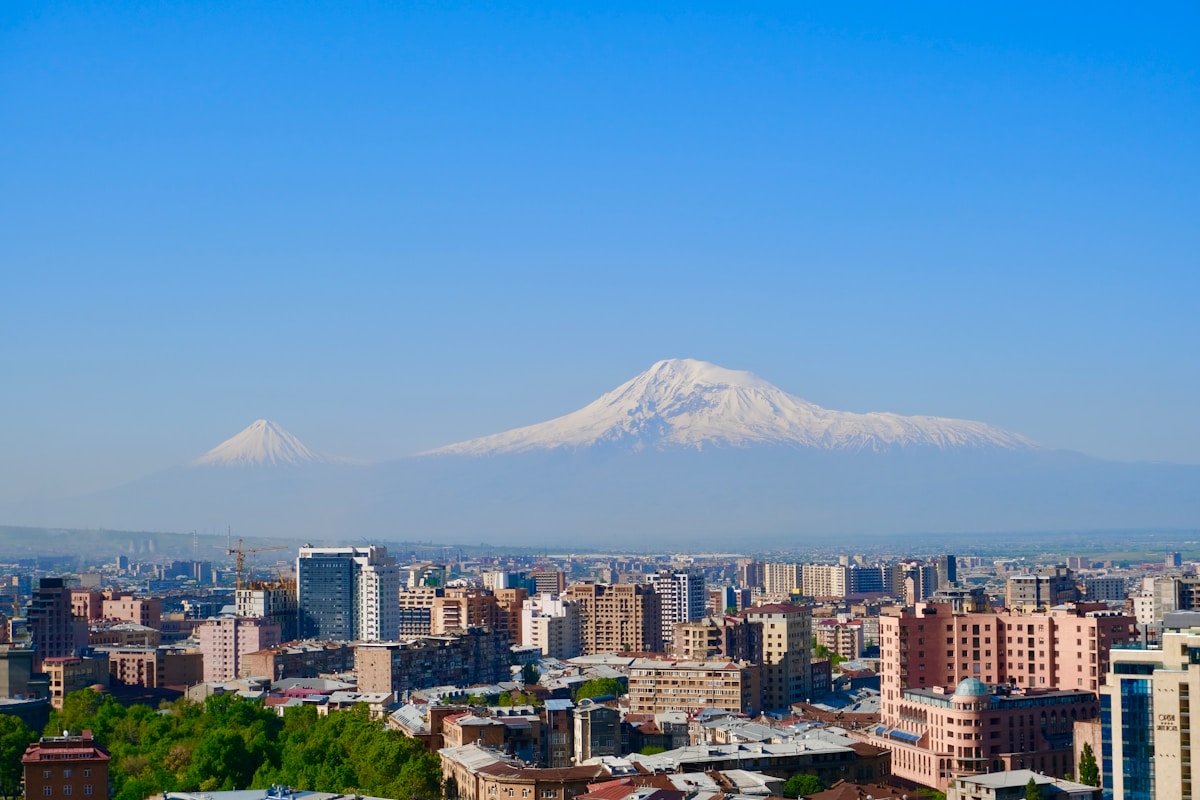
Armenia is a year-round destination, but timing your visit significantly affects what you experience - from apricot blossom in spring to harvest season in autumn, and skiing in winter.
At a Glance
| Month | Yerevan Temp | Conditions | Verdict |
|---|---|---|---|
| January | −5 to 5°C | Cold, possible snow | Low season |
| February | −3 to 6°C | Cold, ski season | Low season |
| March | 5 to 15°C | Spring arriving | Good |
| April | 12 to 22°C | Blossom, wildflowers | Excellent |
| May | 18 to 26°C | Green, uncrowded | Excellent |
| June | 23 to 33°C | Hot, busy | Good |
| July | 27 to 38°C | Very hot, peak | Busy |
| August | 25 to 36°C | Hot, harvest begins | Good |
| September | 18 to 28°C | Harvest, autumn starting | Excellent |
| October | 12 to 22°C | Autumn colours, wine fest | Excellent |
| November | 5 to 14°C | Cooling, quiet | Shoulder |
| December | −2 to 6°C | Cold, ski season | Low season |
Spring: April–May (Recommended)
Spring is one of the best seasons for Armenia. The Ararat plain around Khor Virap is covered in flowering fruit orchards - apricot, cherry, and almond - with Mount Ararat as a backdrop. Wildflowers carpet the hillsides of Khosrov Forest and the approaches to Noravank. Temperatures are ideal: warm enough for comfortable sightseeing, cool enough for longer hikes.
April is particularly special: the apricot blossom (often mid-to-late April) is the most celebrated natural event in the Armenian year. May continues the green, wildflower phase with fewer crowds and slightly warmer temperatures.
Summer: June–August
June is warm (25–33°C) and still manageable. July and August are hot - Yerevan regularly exceeds 38°C in peak summer - but the highland areas (Dilijan at 1,500m, Jermuk at 2,000m, the Aragats massif) provide a cool escape. Lake Sevan is busy in summer but genuinely refreshing.
If visiting in July or August, plan sightseeing in the early morning and retreat to higher ground in the afternoons. For a route designed around the summer window, see our Armenia summer itinerary. If you’re planning ahead, our guide on when to book a summer trip to Armenia covers lead times, flight availability, and accommodation booking windows.
Autumn: September–October (Recommended)
Autumn rivals spring as the best season. September brings the harvest: pomegranates, grapes, figs, and the last apricots of the year fill Yerevan’s markets. The Areni Wine Festival (early October) is one of Armenia’s most atmospheric events, combining wine tastings with folk music and traditional kvevri winemaking demonstrations.
October brings autumn colours to the Dilijan beech forests - spectacular from mid-October onward. Temperatures drop to a comfortable hiking range. Crowds are lighter than summer.
Winter: November–March
Winter in Yerevan is cold (−5 to 5°C, lower overnight) with some snow. The city’s cultural life continues: museums, restaurants, cafes, and markets are all active. Tsaghkadzor ski resort is open from December to April.
Remote monastery roads can be difficult or closed November to March. The main monastery circuits (Garni, Geghard, Khor Virap, Noravank) are accessible year-round on paved roads.
Key Annual Events
Timing around Armenia’s major festivals can shape a trip significantly. The three most important are Vardavar (water festival, mid-July), Armenian Christmas (January 6), and the April 24 Genocide Remembrance. For dates, what to expect, and etiquette, see our Armenia festivals and events guide.
What to Pack
Packing requirements change significantly by season - layers for shoulder seasons, warm gear for winter mountain trips, modest clothing for monastery visits year-round. See our Armenia packing list for a full breakdown by month.
Browse Armenia tours by season - operators adjust their schedules significantly between summer monastery circuits and autumn wine harvest trips. Whenever you visit, arrange travel insurance before departure - Armenia’s mountain terrain warrants medical evacuation cover year-round.
Monthly Guides
For detailed conditions each month, see our individual guides:
- Armenia in January
- Armenia in February
- Armenia in March
- Armenia in April
- Armenia in May
- Armenia in June
- Armenia in July
- Armenia in August
- Armenia in September
- Armenia in October
- Armenia in November
- Armenia in December
Plan Your Trip
✈️ Book your flights to Armenia 🛡️ Get travel insurance 📱 Stay connected with an eSIM 🚗 Rent a car