April is widely considered one of the two best months to visit Armenia (alongside September). The weather is warm but not hot, the landscape is at peak colour with wildflowers and fruit blossoms, every monastery and hiking trail is accessible, and tourist numbers remain well below the summer peak. For first-time visitors trying to choose a single month, April is a strong default. See our best time to visit Armenia guide for a full seasonal comparison.
Spring Arrives Fully: Warm Ararat Plain, Wildflower Meadows Across the Hills
Yerevan is pleasant - 15-22°C during the day, cooling to 8-12°C at night. Rain showers are possible but rarely persistent, and most days are sunny. The air is clear, which means Mount Ararat is visible from Yerevan and from the southern plain with unusual sharpness. This is one of the best months for Ararat photography.
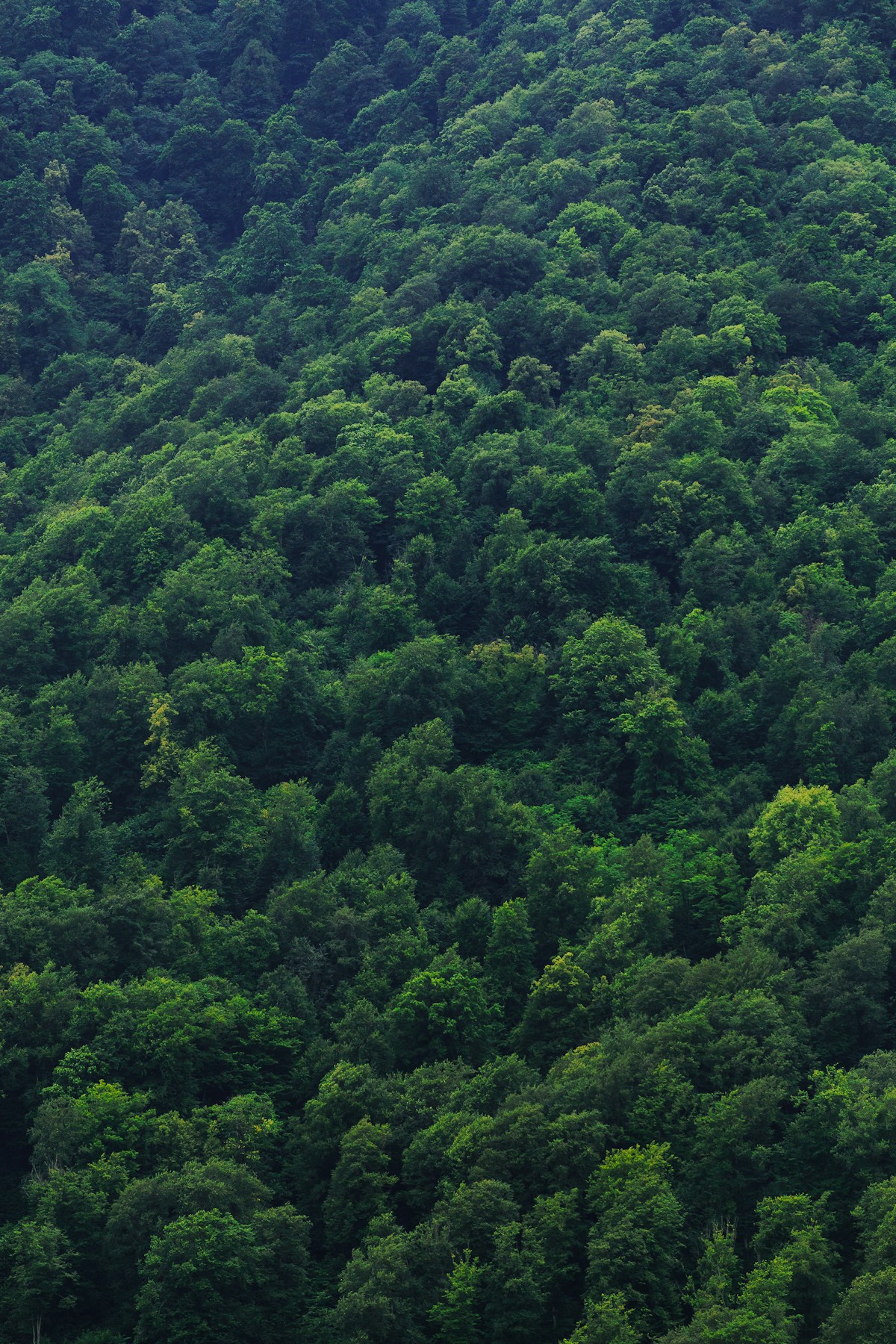
The highlands warm more slowly. Dilijan and the northern forests are cool (10-16°C) and green, with the beech canopy leafing out through the month. Lake Sevan warms slightly but remains cold for swimming - the lake sits at 1,900m and the water temperature in April is around 6-8°C. Southern Armenia around Tatev and Goris is comfortable for hiking, with mountain roads reliably clear.
Armenian Genocide Remembrance Day - 24 April
The most significant date in Armenia’s calendar falls on 24 April. Genocide Remembrance Day (Mets Yeghern) marks the 1915 Armenian Genocide. On the evening of 23 April and throughout 24 April, Armenians walk in a solemn procession to the Tsitsernakaberd memorial complex on a hill overlooking Yerevan. The procession is enormous - hundreds of thousands participate - and deeply moving.
Visitors are welcome to join the procession and to visit the memorial and its accompanying museum. The atmosphere is one of collective remembrance rather than protest. If your visit coincides with 24 April, we recommend participating - it is among the most powerful cultural experiences Armenia offers. See our guide to visiting the Genocide Memorial for practical details. Note that some businesses close for the day.
Apricot Blossom and Wildflowers
April is peak blossom month. The apricot - Armenia’s national fruit, called tsirani - blooms across the Ararat valley in clouds of pale pink. Cherry, plum, and pear trees follow. The hillsides above the valley fill with wildflowers: poppies, irises, and wild tulips carpet the slopes in intense colour.
The best areas for blossom and wildflower viewing are the Ararat plain (particularly around Khor Virap), the slopes above Garni, and the Khosrov Forest State Reserve. The exact timing shifts by a week or two each year - early April in warm years, mid-April in cooler ones.
Apricot Blossom in Ararat Valley, Wildflower Hikes, and the Genocide Memorial at Tsitsernakaberd
Hiking opens fully: April is the first month when all major hiking routes are accessible. The trails through Dilijan National Park (to Haghartsin Monastery, Parz Lake, and Goshavank) are green and well-maintained. The Jermuk waterfall and gorge trail is accessible. The Garni gorge walk along the Symphony of Stones basalt columns is at its best with spring water flow.
The Garni-Geghard loop: This classic half-day trip from Yerevan combines the 1st-century pagan temple at Garni with the rock-carved Geghard Monastery (UNESCO World Heritage). In April, the gorge below Garni is lush and the drive through the hills is lined with blossom. See our Garni and Geghard day tour guide for transport options.
Khor Virap at dawn: The monastery against Mount Ararat is Armenia’s defining image. April mornings offer the clearest views - the mountain is still snow-covered while the plain below is green and blossoming. Arrive before 7am for the best light and fewest visitors. For guided half-day options with transport from Yerevan, see our Khor Virap tours guide.
Southern Armenia road trip: Noravank in the red-rock Amaghu gorge, Tatev Monastery via the Wings of Tatev cable car, and the old town of Goris are all fully accessible in April. A two-day loop from Yerevan covers all three comfortably. For a comprehensive planned route covering all of Armenia’s major sites, see our 10-day Armenia itinerary.
Mountain Roads Reopening: Most Northern Monasteries Accessible Again
By April, mountain roads throughout Armenia are passable and clear of snow. This makes it the first reliable month for countryside travel without winter hazards.
Public transport in Yerevan: The metro operates 6:30am–11pm on a flat fare (AMD 100, roughly USD 0.25). Buses and minibuses use the same fare and cover the city comprehensively. For longer distances, shared minibuses called marshrutkas connect Yerevan to towns like Dilijan (2–3 hours), Sevan (1.5 hours), and Geghard (1 hour). Marshrutkas depart when full rather than on fixed schedules, and routes can be navigated via printed notices at departure points or by asking locals.
Taxis: Abundant and inexpensive - a 5km ride within Yerevan costs around AMD 800–1,200 (USD 2–3). Taxis do not meter; negotiate the fare beforehand or use a ride-app like Yandex or CityMobil for fixed prices.
Car rental: April is ideal for car rental as roads are clear and signage is sufficient. Expect to pay AMD 15,000–25,000 per day (USD 40–65) for a compact car. Driving is on the right, and rural roads are straightforward though narrow in mountain passes.
Full Access Restored: Haghpat, Sanahin, Noravank, and Tatev All Open
Every monastery in Armenia is accessible in April. Mountain roads are clear. The northern monasteries - Haghpat and Sanahin (UNESCO World Heritage) in the Debed Canyon, Haghartsin and Goshavank in the Dilijan forests - are all reachable. April is the first month since October when we can recommend a comprehensive monastery circuit without road condition caveats.
Food in April
Spring produce floods the markets. Fresh herbs - tarragon, basil, coriander, purple basil - are piled high at the GUM market. Spring greens are used in herb salads (kanachi salat) and in the herb-stuffed flatbread jingalov hats. Early vegetables appear: radishes, spring onions, and the first lettuces.
Lavash baking is year-round, but spring is a particularly good time to visit a traditional tonir bakery - several operate near Garni where visitors can watch (and taste) the process. The thin flatbread is pressed onto the walls of an underground clay oven and peeled off after just minutes.
Whatever month you visit, browse Armenia tours and activities - operators adjust itineraries seasonally. Arrange travel insurance before departure; Armenia’s mountain terrain and remoteness make medical cover worth having year-round. A prepaid eSIM from Airalo is the easiest way to get data on arrival without searching for a local SIM card.
April Sweet Spot: Shoulder Season Pricing, Full Spring Access - Below Summer Rates Throughout
April sits at the start of the tourism shoulder season. Prices are higher than winter but significantly below the July-August peak. Hotels in Yerevan and Dilijan begin to fill on weekends but midweek availability is excellent. For accommodation picks in both cities, see our Yerevan and Dilijan where-to-stay guides. Flights increase in frequency as summer schedules begin. This is the sweet spot: good weather, full access, and moderate pricing.
Book for April: Browse Armenia tours - spring departures balance good weather, open roads, and moderate prices. Dilijan is at its best in April with forest trails fully open; book a Dilijan hotel for a cool highland base.
Plan Your Trip
If your trip falls on or near 24 April - Genocide Remembrance Day - plan to join the evening procession to Tsitsernakaberd. It is one of Armenia’s most profound experiences and open to all visitors. Book flights at least three weeks ahead: April is when summer schedules begin and prices climb. A hire car is the ideal way to cover April’s itinerary - Khor Virap at dawn through the blossom, Noravank’s gorge in the afternoon, Dilijan and the northern monasteries on separate days. All roads are clear by April with no winter caveats. For accommodation in Yerevan as your spring base, book a Dilijan hotel as an alternative for the northern monastery days. Travel insurance and a data eSIM - signal thins around Geghard and in the Jermuk gorge.