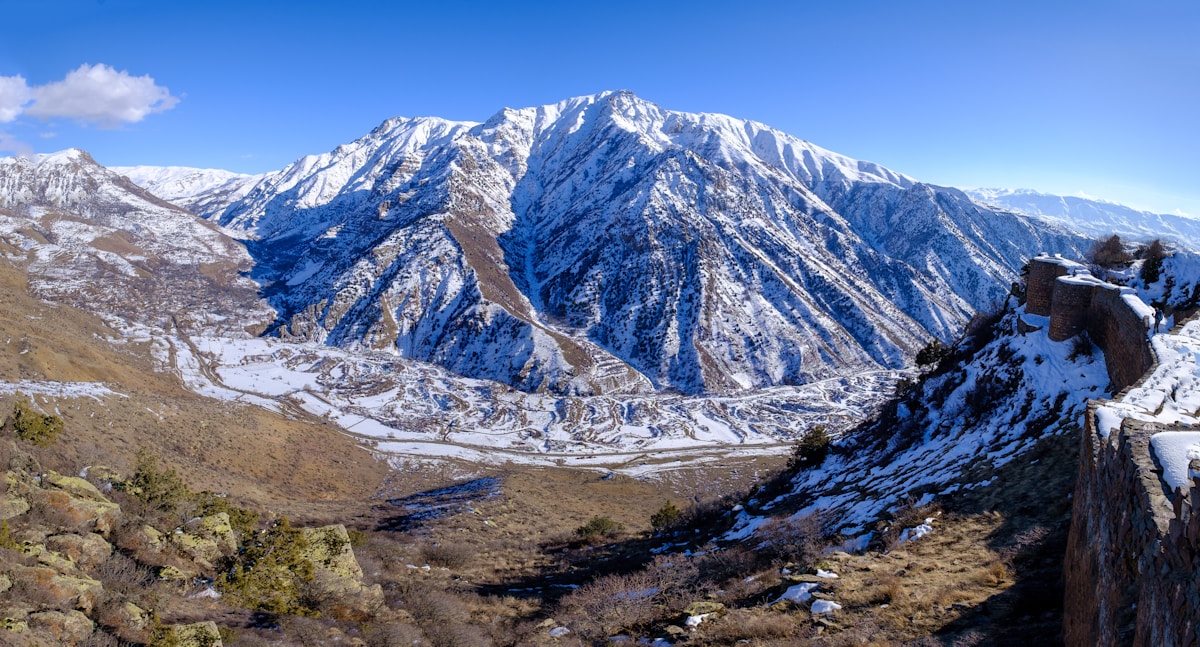
January is Armenia’s coldest month and the deepest point of its continental winter. The country sees very few tourists, and much of the highland landscape is locked under snow. For those who do visit, the payoff is rock-bottom prices, empty cultural sites, and a chance to experience Armenian winter traditions that most visitors never see. For a broader seasonal overview, see our best time to visit Armenia guide.
Sub-Zero Nights in Yerevan, Deep Snow in Dilijan and on Mountain Roads
Yerevan averages −5°C to 5°C in January, with overnight temperatures regularly dropping below −10°C. Snowfall is common though accumulation at city level is inconsistent - some years bring heavy drifts, others just frost. The Ararat plain can be bitterly cold when winds sweep across from the Turkish border.
Higher elevations are significantly colder. Dilijan and the Lori province sit under consistent snow cover. Jermuk averages −8°C. The Tatev and Goris area in southern Armenia sees heavy snowfall, and the road from Goris to Tatev via the Vorotan gorge can be treacherous or impassable without chains. Lake Sevan, at 1,900m, is frozen around the edges and bitterly exposed to wind.
Armenian Christmas and New Year
January opens with the tail end of Armenia’s extended New Year celebrations. Armenians celebrate New Year from 31 December through 2 January with considerable enthusiasm - family gatherings, fireworks over Republic Square, and elaborate feasts featuring dolma, khorovats (barbecued meat), and dried fruit compote. The celebrations are largely domestic, but Yerevan’s restaurants and hotels participate fully.
Armenian Apostolic Christmas falls on 6 January, not 25 December. The Feast of the Nativity and Epiphany (Surb Tsnund) is one of the five major feasts of the Armenian Church. Services at Etchmiadzin Cathedral - the spiritual centre of the Armenian Apostolic Church, about 20 minutes from Yerevan - are significant cultural events. The evening liturgy on 5 January and morning service on 6 January are open to visitors. Yerevan’s St Gregory the Illuminator Cathedral also holds major services. For more on Armenian religious festivals, see our Armenia festivals and events guide.
Tsaghkadzor Ski Slopes, Empty Matenadaran, and New Year Yerevan
Skiing at Tsaghkadzor: Armenia’s main ski resort operates from December through early April. Located about an hour from Yerevan at 1,840m, it has runs from beginner to intermediate level. Snow conditions are generally reliable in January. Equipment rental is available on-site and prices are modest by European standards. See our Tsakhkadzor ski resort guide for lift passes, rental, and how to get there.
Yerevan city exploration: The Cascade complex, Matenadaran manuscript museum, the Armenian Genocide Museum, and the National Gallery of Armenia are all open and largely empty of other tourists. The Vernissage weekend market on Republic Square continues year-round for carpets, crafts, and antiques. For a comprehensive guide to the city’s main attractions with opening hours, see our things to do in Yerevan guide.
Thermal baths at Jermuk: If roads are clear, Jermuk’s natural hot springs and spa hotels offer a genuine winter escape. The town sits in a gorge at 2,000m and receives heavy snow, which makes the hot spring experience more dramatic - but check road conditions before driving south.
Monastery Roads in Winter: Geghard Open, Tatev Road Unpredictable
Geghard Monastery (carved into the cliff face east of Garni) is accessible year-round - the road is paved and maintained. Khor Virap, on the Ararat plain, is also reachable in winter and offers stark, snow-covered views of Mount Ararat on clear days. Noravank’s road through the red-rock gorge is usually passable but can ice over.
Tatev Monastery is technically reachable via the Wings of Tatev cable car, but the road to the cable car station from Halidzor can be difficult in heavy snow. The northern monasteries - Haghpat, Sanahin, Haghartsin, and Goshavank - require mountain roads that may be snow-covered or icy. We recommend checking conditions with your hotel or a local driver before attempting these routes between December and March. For a focused winter circuit covering the year-round accessible sites, see our 5-day central Armenia itinerary.
Khash Season: The Winter Dawn Soup Served With Lavash and Vodka
Winter is the season for hearty Armenian food. Khash - a slow-cooked beef trotter soup traditionally eaten at dawn with lavash bread, raw garlic, and vodka - is a quintessential January dish. It is served in homes and some traditional restaurants from late autumn through early spring. Dried fruit, walnut-stuffed churchkhela, and preserved vegetables (turshi) from the autumn harvest feature heavily on winter tables.
Lowest Prices of the Year: Hotels 30–50% Below Summer After January 2
January is Armenia’s lowest season for tourism. Hotel rates in Yerevan drop 30-50% compared to summer peaks. Flights are at their cheapest. Restaurants and cafes are busy with locals but rarely crowded. The only price pressure comes during the New Year period (31 Dec-2 Jan) when domestic demand pushes up Yerevan hotel rates briefly. For hotel options across all budgets in the capital, see our where to stay in Yerevan guide.
Book for January: Browse Armenia tours with January departures - small groups and low-season prices. Tsakhkadzor’s ski runs are at full operation through January; book a Tsakhkadzor hotel in advance if visiting over the New Year break.
Whatever month you visit, browse Armenia tours and activities - operators adjust itineraries seasonally. Arrange travel insurance before departure; Armenia’s mountain terrain and remoteness make medical cover worth having year-round. A prepaid eSIM from Airalo is the easiest way to get data on arrival without searching for a local SIM card.
Driving in January: Main Roads Clear, Mountain Routes Need Chains
A hire car from Yerevan is useful but winter driving requires caution. Main highways (Yerevan to Sevan, Yerevan to Gyumri) are maintained and ploughed. Secondary mountain roads may not be. Carry chains if planning to drive outside the main corridors. Taxis and private drivers in Yerevan are inexpensive and reliable year-round. See our full getting around Armenia guide for transport options.
Plan Your Trip
January’s low prices are a genuine advantage: flights to Armenia and accommodation drop 30–50% below summer rates. Book a Tsaghkadzor hotel if you’re coming for the skiing - January is the most reliable snow month of the season. Travel insurance matters especially in winter: mountain roads can close without notice and road assistance is not guaranteed in remote areas. A hire car from Yerevan gives you flexibility to reach Khor Virap, Geghard, and Garni on clear days - but check conditions before driving toward Jermuk or the Debed Canyon. If you’re visiting for Armenian Christmas on 6 January, Etchmiadzin’s liturgy on the evening of the 5th is worth planning around. Get a data eSIM before arrival - handy for navigating Yerevan’s winter streets.