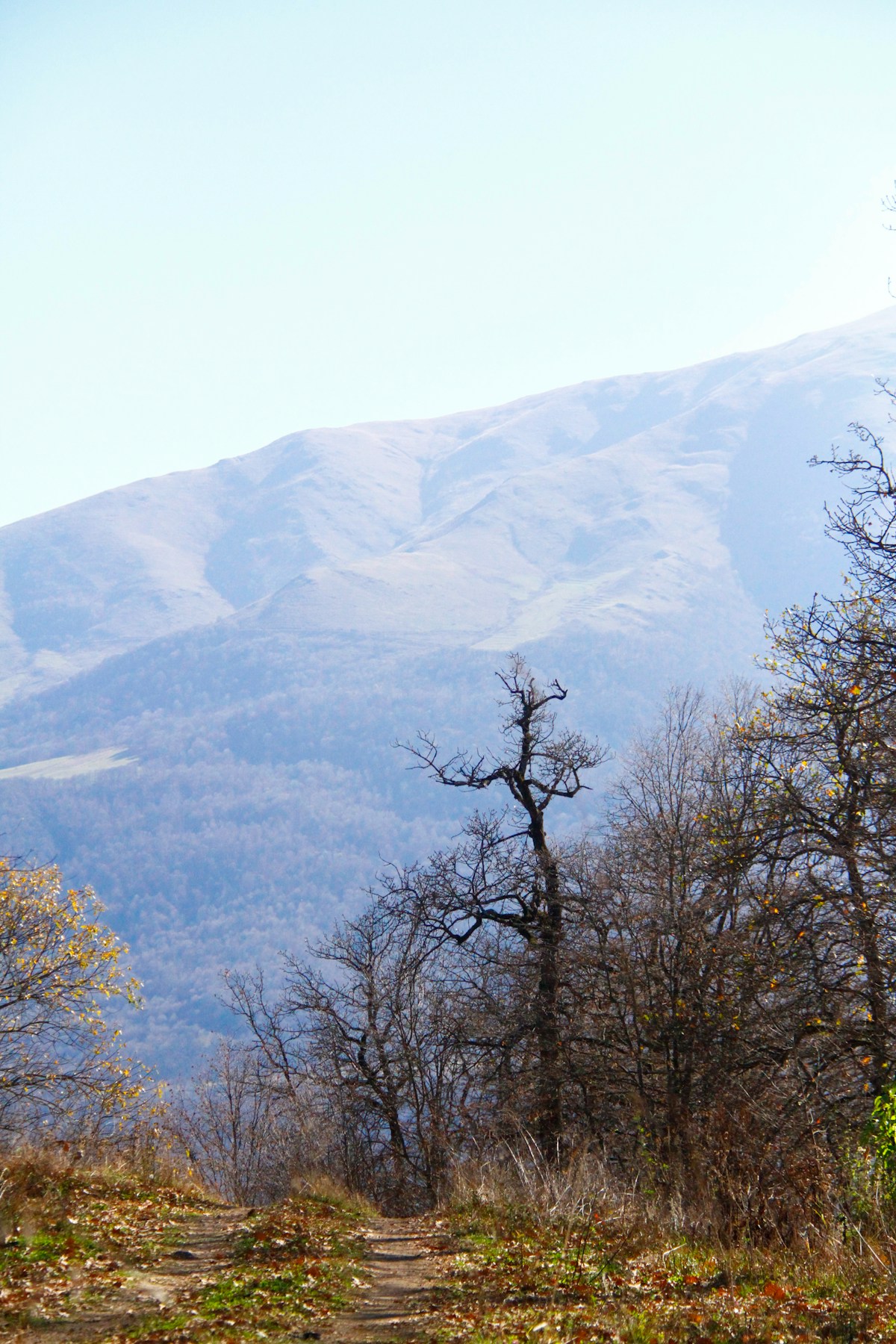
March marks the transition from winter to spring in Armenia, and the change is rapid. The month begins cold and grey but ends with blossoming fruit trees, warming temperatures, and the first outdoor cafe tables appearing on Yerevan’s pavements. It is a shoulder-season month with real advantages: low prices, minimal crowds, and the beginning of Armenia’s most photogenic period. For a full seasonal comparison, see our best time to visit Armenia guide.
Winter Loosening Its Grip: Warm Days in Yerevan, Snow Still in the Mountains
Early March in Yerevan still feels like winter - temperatures around 3-8°C, occasional rain or wet snow, and grey skies. By mid-March, daytime temperatures climb to 10-14°C. Late March can reach 15-18°C on sunny days, and the shift in mood is dramatic. The sun strengthens noticeably and the Ararat plain begins to green.
The highlands lag behind. Dilijan’s forests remain bare through most of March, though snow begins to recede. Lake Sevan is still cold and windswept. Southern Armenia around Goris and Tatev sees snowmelt on lower roads, but higher passes may still require caution. The ski season at Tsaghkadzor continues through March, often with excellent late-season snow.
The First Blossoms
The defining event of March in Armenia is the start of blossom season. Almond trees flower first, from early-to-mid March in the warmer Ararat valley. Cherry and apricot trees follow in late March. The sight of pink and white blossoms against the snow-capped bulk of Mount Ararat - visible from much of the valley - is one of Armenia’s most photographed moments.
The best blossom viewing is on the Ararat plain between Yerevan and Khor Virap. The orchards along the road south toward Artashat are thick with fruit trees. Blossom timing varies by year and by a week or two depending on temperatures, but late March through mid-April is the reliable window.
Apricot Orchards Awakening, Lake Sevan Ice Retreating, and Women’s Day Flowers Across Yerevan
Khor Virap with blossom and Ararat: The iconic monastery sits on the plain with Mount Ararat rising behind it. In late March, when the surrounding orchards are in blossom, this is one of the most striking views in the Caucasus. Early morning visits give the best light and clearest mountain visibility.
Late-season skiing: Tsaghkadzor typically operates through late March or early April. March skiing can be excellent - warmer temperatures, longer days, and sometimes the best snow conditions of the season after February accumulation. See our Tsakhkadzor ski resort guide for lift passes, rental, and how to get there.
Yerevan cultural sites: The Matenadaran, the Genocide Museum, the History Museum of Armenia, and the Cafesjian Center for the Arts (inside the Cascade complex) are all rewarding in March. Tourist numbers are still low enough that queues are non-existent.
Garni and Geghard day trip: The pagan temple at Garni and the rock-cut Geghard Monastery make a natural half-day trip from Yerevan (about 40 minutes each way). Both are accessible year-round, and in March the Garni gorge - known locally as the “Symphony of Stones” for its basalt column formations - is particularly dramatic with snowmelt feeding the river below. For an organised version, see our Garni and Geghard day tour guide.
Women’s Day - 8 March
International Women’s Day on 8 March is a significant public holiday in Armenia (a legacy of the Soviet period that has been fully embraced). Flower shops do enormous trade, restaurants are fully booked for evening meals, and there is a festive atmosphere in Yerevan. If your visit coincides, book restaurant tables in advance and expect a lively city.
Road Thaw Underway: Most Northern Monasteries Reachable Again by Late March
Road access to Armenia’s monasteries improves through March. The main sites - Geghard, Khor Virap, Noravank, Garni - are accessible throughout. The road through Noravank’s red-rock gorge clears of ice by mid-March in most years.
Northern monasteries (Haghpat, Sanahin, Haghartsin, Goshavank) become progressively more accessible as the month advances, though the final approach roads - particularly to Haghartsin in the forest above Dilijan - can remain muddy and difficult until late March or early April. Tatev’s cable car operates year-round, weather permitting, but the road from Goris to the lower station can be slippery in early March.
First Spring Greens: Tarragon and Wild Herbs Returning to Yerevan Markets
March is a transition month on Armenian tables. Winter dishes like khash give way to spring preparations. Early spring greens - wild sorrel, nettles, and herbs - begin appearing in markets and on restaurant menus by late March. These are used in jingalov hats (herb-filled flatbread, a speciality of Karabakh Armenians) and spring salads. The GUM market in Yerevan is the best place to see the seasonal shift in produce.
Whatever month you visit, browse Armenia tours and activities - operators adjust itineraries seasonally. Arrange travel insurance before departure; Armenia’s mountain terrain and remoteness make medical cover worth having year-round. A prepaid eSIM from Airalo is the easiest way to get data on arrival without searching for a local SIM card.
Late Low Season With Spring Colour Starting: Best Balance of Cost and Landscape
March remains firmly in low season for tourism. Hotels, flights, and car hire are all significantly cheaper than the April-October period. By late March, some price increases begin as tour operators prepare for spring season, but the month overall offers excellent value. Expect to share major sites with a handful of other visitors at most. See our Armenia budget travel guide for how to make the most of low-season savings. For accommodation in Yerevan as your spring base, see our where to stay in Yerevan guide. For a planned circuit of March’s accessible sites, see our 5-day central Armenia itinerary.
Book for March: Browse Armenia tours - late-winter departures run at low-season prices before spring rates kick in. Tsakhkadzor’s ski season extends into March; book Tsakhkadzor accommodation for a combined ski-and-monastery trip.
Plan Your Trip
Timing your March visit around blossom peak makes a real difference - the orchards along the road south toward Khor Virap are at their best when cherry and apricot flowers open in late March. Book flights in early March rather than mid-month, as Easter travel begins to push prices up. A hire car is the best way to combine blossom-viewing on the Ararat plain with Garni gorge and Geghard in a single day - allow a full morning for the circuit. Tsaghkadzor ski season continues through March; a combined ski day and monastery day trip is easy with your own transport. Travel insurance and a prepaid eSIM are practical essentials - arrange both before departure.