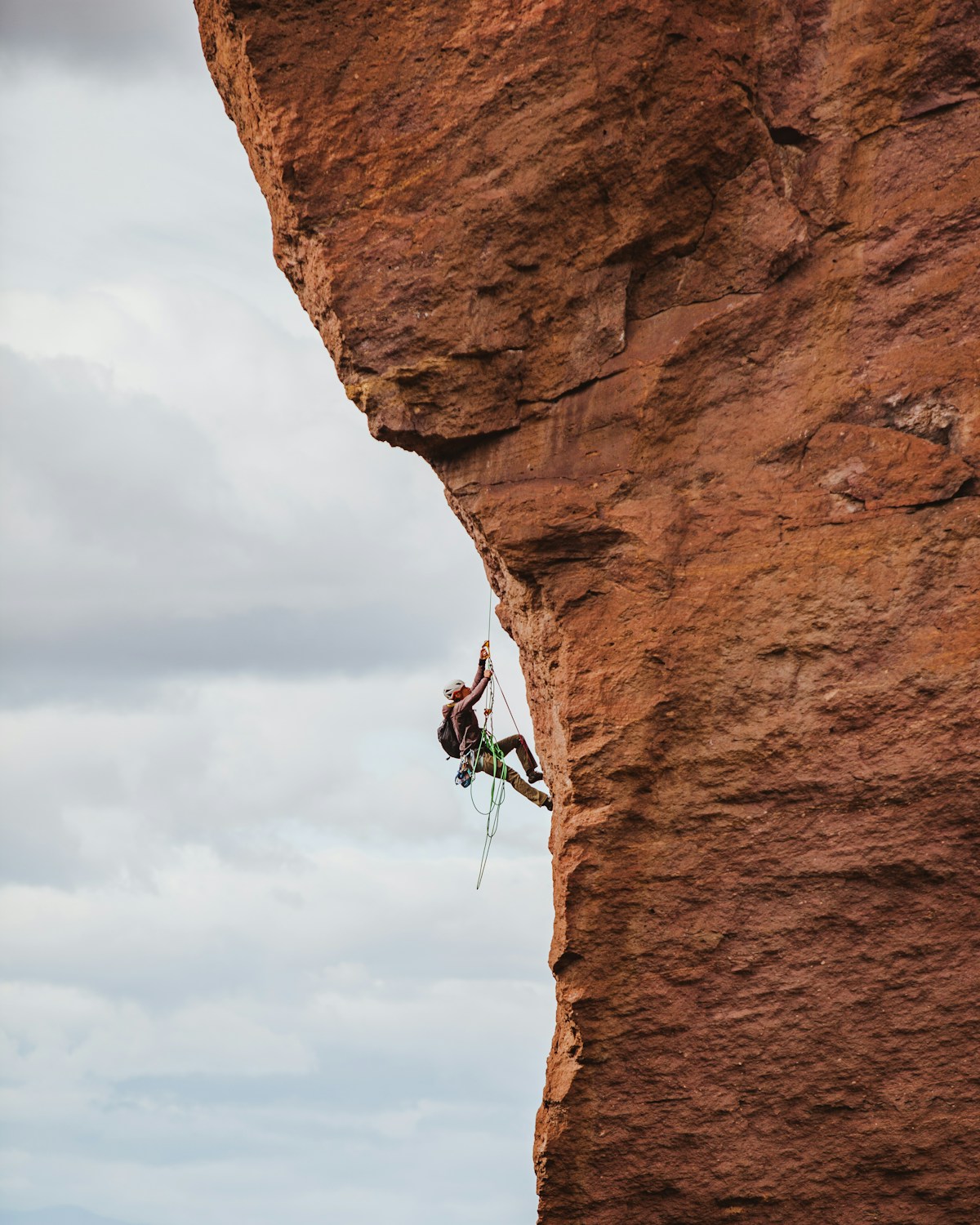
Armenia is not yet on the global climbing circuit, but it has the rock to warrant attention. The red limestone walls of Noravank Canyon and the extraordinary basalt column formations of Garni Gorge offer genuine technical climbing in landscapes that are among the most dramatic in the South Caucasus. The community is small and the infrastructure is developing - which means less queuing at routes and more chance of having a canyon to yourself.
Noravank Canyon
Noravank Monastery (built in the 13th–14th centuries) sits in one of Armenia’s most striking natural settings: a narrow canyon of ochre and red sedimentary rock in Vayots Dzor province, about 122 km south of Yerevan. The approach road runs through the canyon for several kilometres, and the walls tower above on both sides - smooth faces of limestone, friable in places but largely solid on established routes.
Routes: Sport climbing routes at Noravank are being developed incrementally by a small local community. There are established bolted lines on the lower canyon walls - predominantly in the 5a–6b range (French grades) with a few harder lines at 6c–7a for experienced climbers. Route bolting is ongoing and conditions change; verify with a local operator before arriving with specific projects in mind.
Character of climbing: The rock is generally good quality limestone with interesting features - pockets, crimps, and some tufa-like formations. Wall angle varies from vertical to slightly overhung. The setting is spectacular; you climb with views of the monastery below and the canyon narrowing above.
Getting there: Drive south on the M2 highway to Areni, then turn into the Noravank canyon road (well-signposted). The canyon and monastery are free to access; parking is available near the monastery. The drive from Yerevan takes approximately 2 hours.
Combining with other activities: Noravank pairs naturally with wine tasting in nearby Areni village and, further afield, with a visit to Tatev Monastery. It’s a worthwhile day trip from Yerevan that can combine culture and climbing.
Garni Gorge
The Garni Gorge, a 20-minute drive from the Garni Temple east of Yerevan, contains one of Armenia’s most photogenic geological features: vertical basalt columns up to 50m high, sometimes called the “Symphony of Stones.” These hexagonal columns were formed by lava cooling slowly after a volcanic eruption. They stand in tight clusters along the gorge walls, creating a distinctive organ-pipe appearance.
Bouldering: The fallen and lower basalt blocks at the base of the gorge offer natural bouldering problems - relatively short climbs without ropes that focus on technical footwork and power moves. The rock surface is grippy when dry. Problems range from V0–V1 (beginner) to V4–V5 (intermediate). It’s an excellent half-day outing for those interested in bouldering without needing ropes or protection gear.
Sport routes: A handful of bolted routes have been established on the gorge walls, though information is sparse in English. The rock quality on the higher walls varies and some sections are friable - inspect carefully before climbing.
Getting there: From the Garni Temple car park, a signed trail descends into the gorge (roughly 20–30 minutes on foot). The basalt columns are visible from the trail. The gorge can also be accessed from the other end near Goght village. Entrance to the gorge area is free; the Garni Temple itself charges an entry fee of approximately AMD 1,500 as of 2026.
Climbing Operators in Armenia
Armenia Hiking: Primarily a hiking operator, but they have connections with climbing guides and can arrange rope climbing sessions at Noravank or Garni with advance notice.
Adventure Armenia: A broader adventure sports operator with sport climbing in their portfolio during the spring and autumn season. Guided sport climbing day trips to Noravank run approximately AMD 30,000–50,000 per person including transport and guiding (check for current pricing).
Mountaineering Federation of Armenia: The national federation in Yerevan is the best resource for connecting with serious local climbers, accessing current route information, and arranging guiding for more advanced objectives.
What to Bring
- Rock climbing shoes (essential - approach shoes do not provide the precision needed)
- Harness
- Helmet
- Belay device and locking carabiner
- Chalk bag
- Sufficient water (especially at Noravank in summer - the canyon gets very hot)
- Sun protection
- Snacks for a long day
If renting gear from a Yerevan operator, confirm exactly what is included (ropes, quickdraws, hardware) before the day of climbing.
Practical Notes
Rock condition after rain: Both Noravank limestone and Garni basalt take 24–48 hours to dry after rain. Wet limestone in particular is dangerously slippery. Check the weather forecast for the preceding 48 hours before heading out.
Seasonal closures: Noravank Canyon and the Garni Gorge have no formal seasonal closures, but extreme summer heat (July–August) makes midday climbing inadvisable. Start before 8am and finish by noon on hot days.
Mobile signal: Variable in canyon locations. Download maps offline and share your location with someone before heading into remote areas.
Operators running guided climbing days at Noravank can be found through Garni and Noravank area tours. Climbing trips to remote gorges warrant travel insurance with adventure sports cover - confirm the policy includes rock climbing specifically. A local eSIM is useful for offline navigation in canyon locations where mobile signal is variable — download your maps before leaving the main road. Hire a car in Armenia to reach Noravank Canyon and Garni Gorge independently — both are a solid drive from Yerevan and public transport doesn’t serve the canyon access roads. Search flights to Yerevan and plan your trip for spring (April–June) or autumn (September–October) when rock conditions are best.
See Also
- Noravank - full destination guide to the canyon and monastery
- Garni - the Hellenistic temple and gorge bouldering area combined
- Hiking in Armenia - trail options across the country for non-climbers