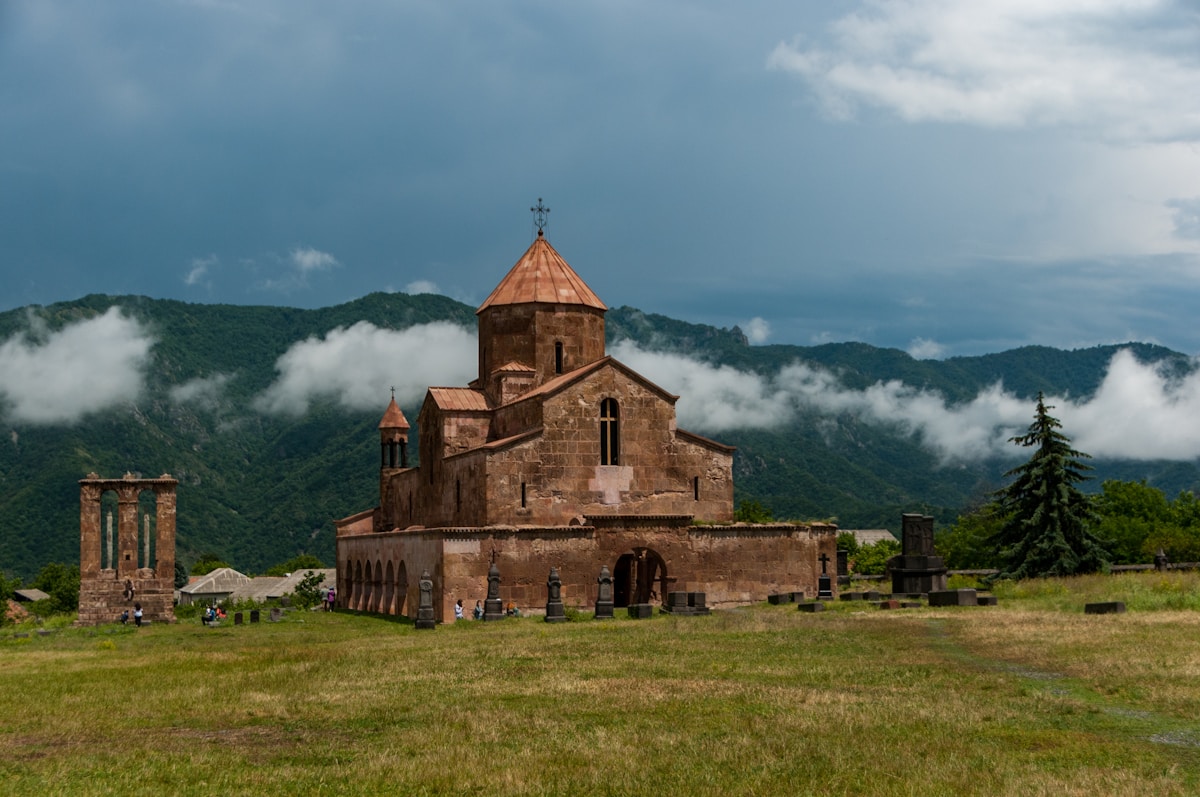
July is Armenia’s hottest and busiest month. Yerevan bakes in temperatures that regularly exceed 38°C, Lake Sevan fills with domestic holidaymakers, and popular monasteries see their highest visitor counts of the year. Despite the heat and crowds, July has genuine appeal: the highlands are at their finest, the fruit season is in full flood, and the country’s most distinctive summer festival - Vardavar - falls in this period. See our best time to visit Armenia guide for a seasonal overview.
Yerevan at Its Hottest: 35°C Days, Dry Heat, Lake Sevan the Only Real Escape
Yerevan is very hot: 35-40°C during the day, occasionally exceeding 40°C. Nights cool to 22-26°C. The heat is dry but relentless, and the city becomes uncomfortable for extended outdoor sightseeing between 11am and 5pm. Haze frequently obscures Mount Ararat, making July one of the less reliable months for the famous view.
The highlands are the escape. Dilijan stays at a comfortable 22-28°C under forest canopy. Lake Sevan, at 1,900m, is breezy and 10-15°C cooler than Yerevan. The lake water reaches its warmest point of the year - around 18-20°C - which is cold but tolerable for swimming. Mount Aragats and the Gegham highlands remain cool at altitude, offering genuine relief.
Southern Armenia is hot and dry. The Noravank gorge becomes a natural oven in July - the red rock walls trap and radiate heat intensely. Tatev, at 1,600m, is warmer than the northern highlands but still more comfortable than Yerevan.
Vardavar Water Festival
Vardavar is Armenia’s most distinctive summer event and one of the most unusual festivals in the Caucasus. Our Armenia festivals guide covers the tradition in depth, including where in Yerevan to be at peak hours. Falling 98 days after Easter (typically in late June or July), Vardavar is a day when everyone - strangers included - douses each other with water. The tradition has pre-Christian roots linked to the goddess Astghik but is now celebrated as the Feast of the Transfiguration in the Armenian Apostolic Church.
In practice, Vardavar means that walking through Yerevan (or any Armenian town) on this day will result in being soaked. Children patrol with water guns and buckets, cars are splashed, and even passers-by carrying shopping bags are fair targets. The atmosphere is joyful and chaotic. If you visit during Vardavar, leave electronics in waterproof bags and embrace the tradition. On a 38°C July day, the water is welcome.
Apricot Festival, Vardavar Water Battles, and Lake Sevan Beach Season at Full Swing
Early morning monastery visits: Beat both the heat and the tour-bus crowds by starting at dawn. Geghard Monastery at 7am is cool, quiet, and atmospheric. Khor Virap at sunrise offers the best chance of a clear Ararat view before haze builds. Noravank should be visited before 9am to avoid the gorge’s trapped heat.
Lake Sevan beaches and fish restaurants: The lake is at peak season. Beach areas on the eastern shore (near Sevan city) and the western shore are busy with Armenian families, particularly on weekends. The lakeside restaurants serve excellent grilled trout and crayfish. For a quieter experience, the southern shore around the town of Martuni sees fewer visitors. Cycling the lake’s quieter southern shore is one of the most rewarding rides in the country - see our cycling in Armenia guide for the Lake Sevan loop. For guided day trips combining Sevanavank, a lakeside fish lunch, and Noratus cemetery, see our Lake Sevan tours guide.
Highland retreats: Dilijan - called “Armenia’s Switzerland” for its forested mountains - is the premier highland escape. Guesthouses and boutique hotels are set among beech forests. Day hikes to Haghartsin Monastery, Parz Lake, and Goshavank are shaded and comfortable even in July. Jermuk, further south, offers waterfall trails and spa hotels at 2,000m. For riders, the horseback riding trails around Dilijan’s forests are shaded and pleasant in summer heat.
Mount Aragats hikes: July is prime time for serious hiking on Armenia’s highest peak. The route from Kari Lake to the southern summit (3,879m) is snow-free and achievable in a long day. The Gegham mountain range east of Yerevan opens for alpine hikes to Lake Akna and the Ughtasar petroglyphs. For a fully planned July route combining highland bases with the major monastery sites, see our Armenia summer itinerary or the 10-day Armenia itinerary.
Escaping the Yerevan Heat: Lake Sevan, Dilijan, and Jermuk All Cooler
The summer heat makes the choice of base more consequential in July than any other month. Three highland options offer meaningful temperature relief from Yerevan’s 38-40°C peak:
Dilijan (85 km north, approximately 1.5 hours by road): At 1,200 m, Dilijan stays at 22-28°C through July and is the country’s most established highland retreat. The historic quarter has been partially restored with craft workshops, cafes, and guesthouses set among beech forest. Marshrutkas from Kilikia Bus Station in Yerevan depart for Dilijan regularly and cost approximately 1,200 AMD per person. For accommodation picks across all price points, see our where to stay in Dilijan guide. Dilijan day tours from Yerevan combine the old town with Haghartsin Monastery and Parz Lake.
Lake Sevan (65 km northeast, approximately 1 hour by road): At 1,900 m elevation, the lake sits 12-15°C cooler than Yerevan. The eastern shore near Sevan city is the most accessible, with lakeside guesthouses and fish restaurants serving grilled ishkhan (endemic lake trout) and crayfish. The quieter southern shore around Martuni has fewer visitors on summer weekends. For accommodation options by shore area, see our Lake Sevan where to stay guide. Lake Sevan boat tours depart daily in July and include Sevanavank peninsula monastery.
Jermuk (approximately 3 hours south of Yerevan): The spa resort town at 2,080 m elevation stays genuinely cool throughout July. The waterfall trail from the town centre is shaded and 20 minutes on foot. For accommodation in Jermuk, see our where to stay in Jermuk guide.
Apricot Season
July is peak apricot season - the fruit that gives Armenia its name in some etymologies (though linguists debate this). Armenian apricots are small, deeply orange, and extraordinarily flavoured compared to supermarket varieties elsewhere. Roadside vendors throughout the Ararat valley sell them by the kilogram for very little. Dried apricots and apricot vodka (tsiranayin oghi) are produced in quantity during July.
Busy but Fully Open: Arrive Early at Geghard and Tatev to Beat Tour Groups
Every site is accessible. The only constraint is heat rather than road conditions. Plan monastery visits for early morning or late afternoon. Some popular sites (Geghard, Noravank, Tatev) see significant tour-group traffic between 10am and 3pm - arrival outside these hours is strongly recommended for both comfort and experience.
Whatever month you visit, browse Armenia tours and activities - operators adjust itineraries seasonally. Arrange travel insurance before departure; Armenia’s mountain terrain and remoteness make medical cover worth having year-round. A prepaid eSIM from Airalo is the easiest way to get data on arrival without searching for a local SIM card.
Peak Season: Highest Rates of the Year - Book Lake Sevan and Dilijan Months in Advance
July is peak season. Hotel rates are at their annual high, particularly around Lake Sevan and in Dilijan. Yerevan hotels are also at premium pricing. Flights to Zvartnots are frequent but full. Advance booking is essential for accommodation, particularly on weekends. Popular restaurants in Yerevan may require reservations for dinner.
The trade-off for higher prices is maximum daylight (over 15 hours), reliable weather, and full access to every corner of the country. Budget travellers can offset costs by choosing guesthouses over hotels and visiting popular sites at off-peak hours. See our Armenia budget travel guide for cost-saving strategies.
Book for July: Check last-minute Armenia tours - peak-season departures fill quickly; confirm availability before you land. Lake Sevan accommodation sells out on summer weekends; book a Lake Sevan hotel well in advance.
Plan Your Trip
Two things to get right for July: base yourself at Lake Sevan or Dilijan rather than Yerevan - the city regularly hits 38–40°C and a highland base keeps the trip comfortable. And check the Vardavar date before you travel (98 days after Easter, usually late June or mid-July) - being caught without a waterproof bag in Yerevan on that day means a soaked phone. Book flights early - July is Armenia’s peak month and budget carrier capacity fills. Lake Sevan hotels sell out weeks ahead for July weekends; book as soon as your dates are fixed. A hire car makes early-morning monastery visits possible before tour groups arrive at 10am. Travel insurance and a data eSIM are standard essentials for peak season.