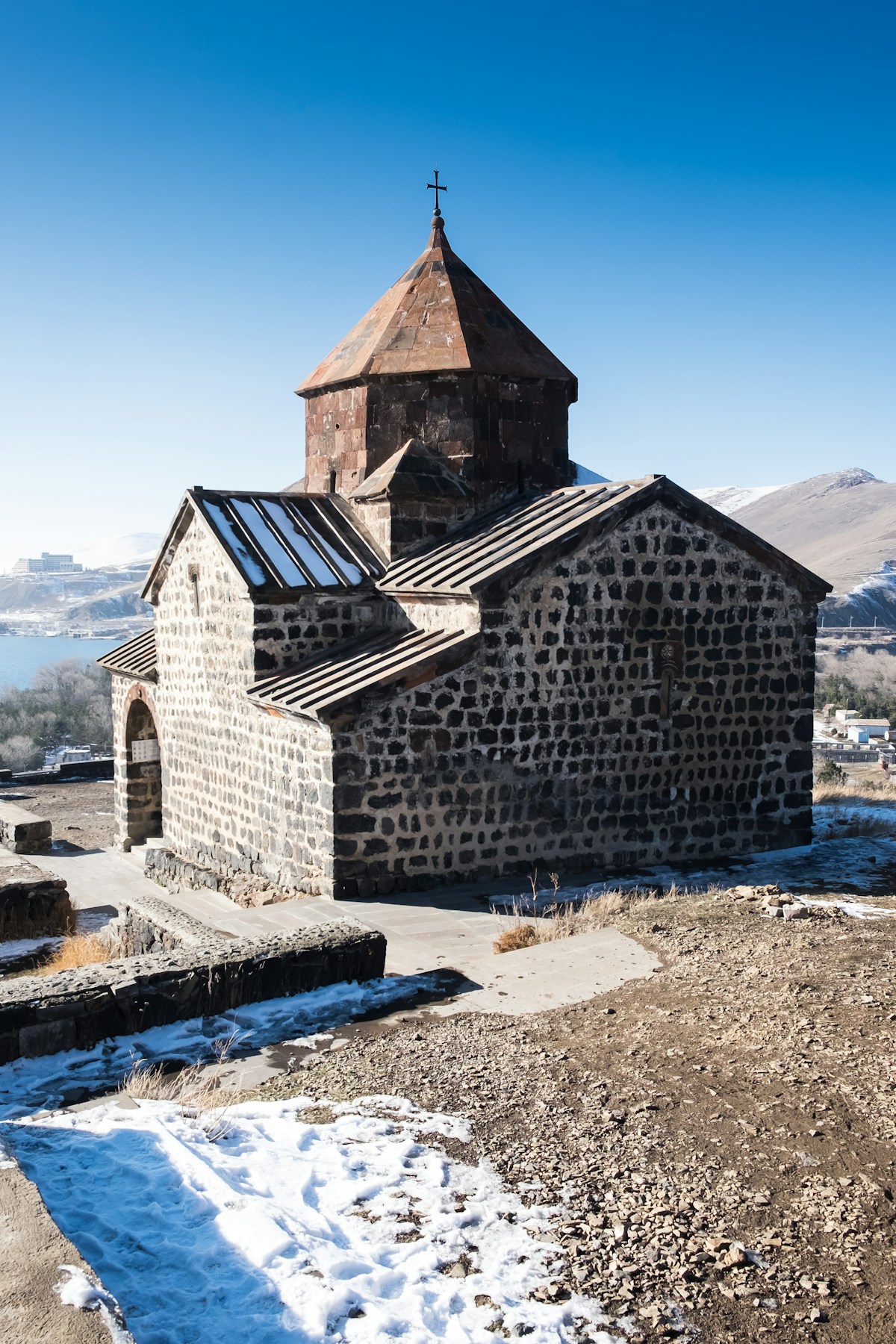
May is Armenia at its most inviting. The heat of summer has not yet arrived, the landscape is at peak green after spring rains, wildflowers cover the highland meadows, and every site in the country is accessible. Tourist numbers are building but remain well below the July-August peak. For travellers who want the full range of Armenian experiences - monasteries, hiking, food, and wine country - May is hard to beat. For a seasonal comparison, see our best time to visit Armenia guide.
Peak Spring: Green Hills, Warm Yerevan, and Clear Ararat Views Before Summer Haze
Yerevan is warm and pleasant: 20-26°C during the day, dropping to 12-15°C at night. The sun is strong but the heat is comfortable rather than oppressive. Rain showers occur but are typically brief and followed by clear skies.
The highlands are cool and lush. Dilijan sits at around 15-20°C with green forests, wildflower meadows, and morning mist in the valleys. Lake Sevan is stunning in May - the water is intensely blue against green hills - though water temperature remains around 10-12°C (cold for most swimmers). Southern Armenia is warm and dry, and the drive through Noravank’s red gorge to Tatev is one of the year’s best road trips.
Republic Day - 28 May
Armenia’s First Republic Day falls on 28 May, commemorating the declaration of the first Armenian republic in 1918. It is a public holiday with official ceremonies, military parades in Yerevan, and cultural events. Republic Square hosts the main celebrations. The day has growing significance in contemporary Armenia as a marker of sovereignty and national identity.
If your trip coincides with 28 May, expect a festive atmosphere in Yerevan with some road closures around Republic Square. Restaurants and cafes are open and busy.
Hiking Season Opens in Full: Tatev via Cable Car, Dilijan Forest Trails, Sevan Lakeside
Highland hiking at its best: May offers the ideal combination of comfortable temperatures and maximum greenery. The Dilijan trails to Haghartsin Monastery and Parz Lake are lush. The trek from Lastiver cave complex through the forest is outstanding. In the Gegham mountain range east of Yerevan, alpine meadows fill with wildflowers above 2,500m. For riding rather than walking, the forest trails around Dilijan also make for excellent horseback riding - operators offer half-day rides through the national park from May.
Lake Sevan: The lake is uncrowded in May, unlike the packed beaches of July and August. Sevanavank Monastery on the peninsula is peaceful, the lakeside fish restaurants serve freshly caught ishkhan (Sevan trout - though wild stocks are protected, farmed trout is excellent), and the drive along the western shore offers consistent mountain views. May is also one of the best months for cycling the lakeside road - see our cycling in Armenia guide for the full Lake Sevan loop.
Noravank and the Areni wine region: The Areni village and its surrounding vineyards are green and growing in May. The Areni-1 cave, where the world’s oldest known leather shoe (5,500 years old) and oldest known winery were discovered, is a short visit near the village. Several wineries in the area - Areni, Hin Areni, Momik - welcome visitors for tastings. For a structured approach to winery visits and tasting, see our wine tasting in Armenia guide. From Areni, the road continues through a dramatic red-rock gorge to Noravank Monastery, one of Armenia’s most beautiful sites.
Yerevan’s outdoor life returns: By May, Yerevan’s outdoor terraces are in full swing. The Cascade steps become a social gathering point in the evenings. The Vernissage market is busy. Street food vendors sell grilled corn and sunflower seeds on the boulevards.
Best Monastery Month: All Routes Open, Wildflowers Framing Every Site
Every monastery in Armenia is fully accessible in May. Roads are dry and clear. This is the month to plan an ambitious circuit: Yerevan to Khor Virap, south through Areni to Noravank, continue to Tatev (cable car), loop back through Jermuk, then north to Dilijan for Haghartsin and Goshavank, and across to the Debed Canyon for Haghpat and Sanahin. The entire route is doable in 5-6 days with a hire car from Yerevan and covers the country’s greatest hits. See our Armenia road trip itinerary for a structured version of this circuit. For organised day trips to Khor Virap with guides and transport included, see our Khor Virap tours guide.
Fresh Herbs, Spring Vegetables, and the First Strawberries at Yerevan Markets
May marks the explosion of fresh produce in Armenian markets. Strawberries, cherries, and the first apricots appear by late May. Fresh herbs are at their peak - enormous bundles of tarragon, dill, coriander, and purple basil are sold at the GUM market for almost nothing. Spring lamb dishes feature on restaurant menus. Outdoor khorovats (barbecue) culture begins in earnest - Armenians take to parks and riversides with portable grills throughout the month.
The mulberry trees that line many Armenian streets bear fruit in late May. White mulberries are sweet and intensely flavoured. Mulberry vodka (tuti oghi) is a distinctive Armenian spirit worth trying.
Whatever month you visit, browse Armenia tours and activities - operators adjust itineraries seasonally. Arrange travel insurance before departure; Armenia’s mountain terrain and remoteness make medical cover worth having year-round. A prepaid eSIM from Airalo is the easiest way to get data on arrival without searching for a local SIM card.
Shoulder Season Rising: Prices Climbing Toward Summer but Still Below Peak
May is shoulder season transitioning toward peak. Prices are moderate - higher than winter but 20-30% below the July-August peak. Accommodation in popular areas (Dilijan, Lake Sevan) books up on weekends, so midweek travel offers better availability. For accommodation picks, see our Yerevan and Dilijan where-to-stay guides. Flights are frequent as summer schedules are fully operational. Major sites are comfortably busy rather than overcrowded.
Book for May: Browse Armenia tours - the widest choice of routes and departures runs through May. Dilijan’s forest trails are in full bloom; book a Dilijan hotel for a cool base between monastery day trips.
Plan Your Trip
May is the best month for Armenia’s southern loop: Yerevan → Khor Virap → Areni wine region → Noravank → Tatev by cable car → back through Jermuk - a comfortable four-to-five day circuit. Book flights early; May marks the start of peak Caucasus travel and seats on budget carriers fill quickly. A rental car from Yerevan is the most practical way to run this route. Republic Day on 28 May brings parade crowds to Republic Square - factor this in if you’re city-based that day. Midweek travel to Dilijan and Lake Sevan avoids weekend domestic crowds. Travel insurance is advised before any Armenia trip; add a prepaid eSIM for reliable data on rural mountain routes where local SIM coverage thins.